May
2026
May
2026
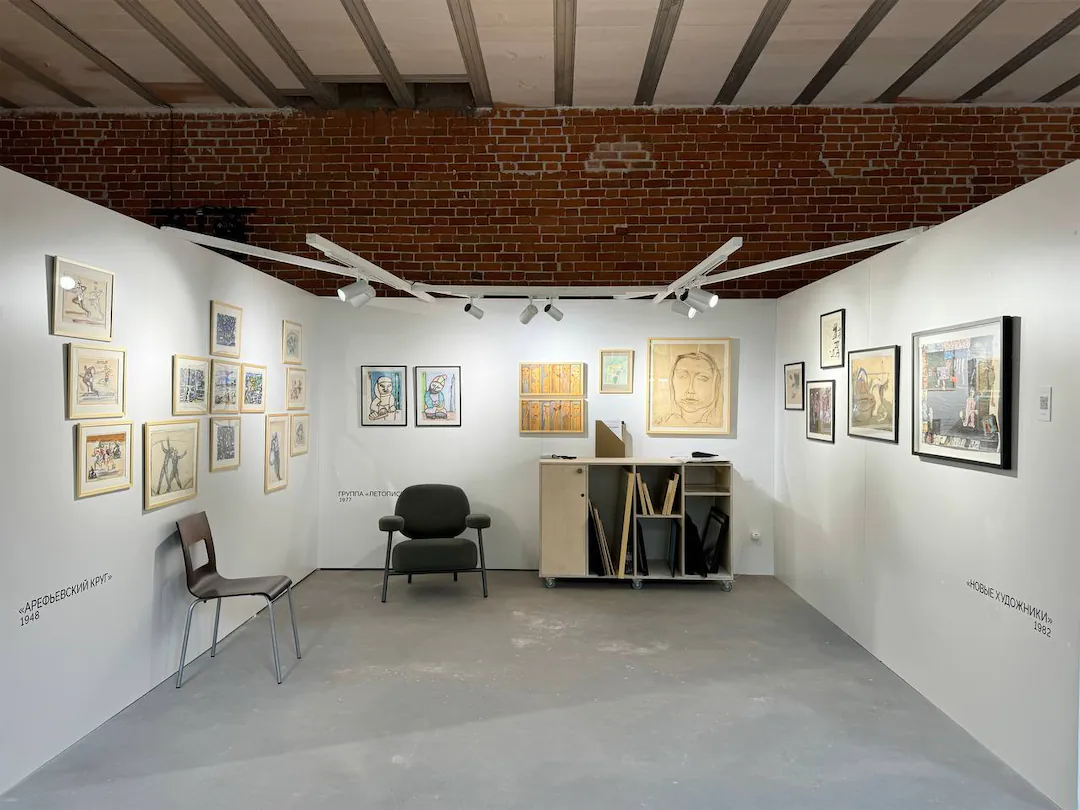
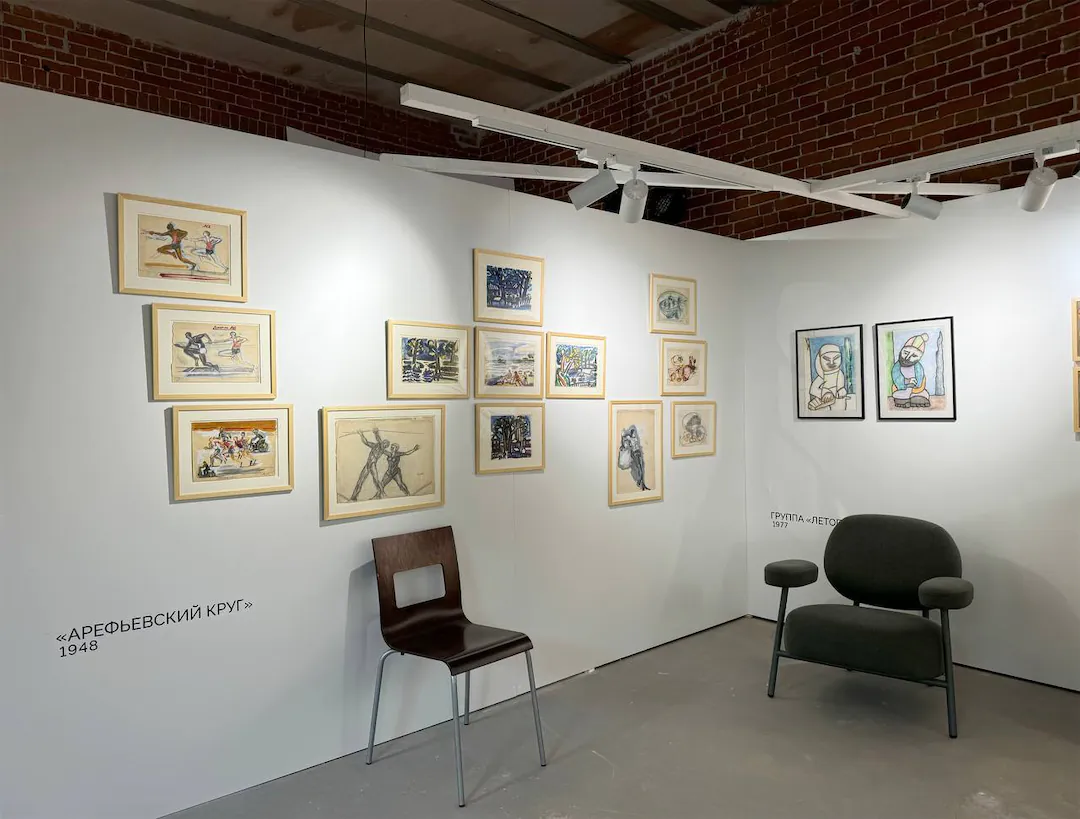
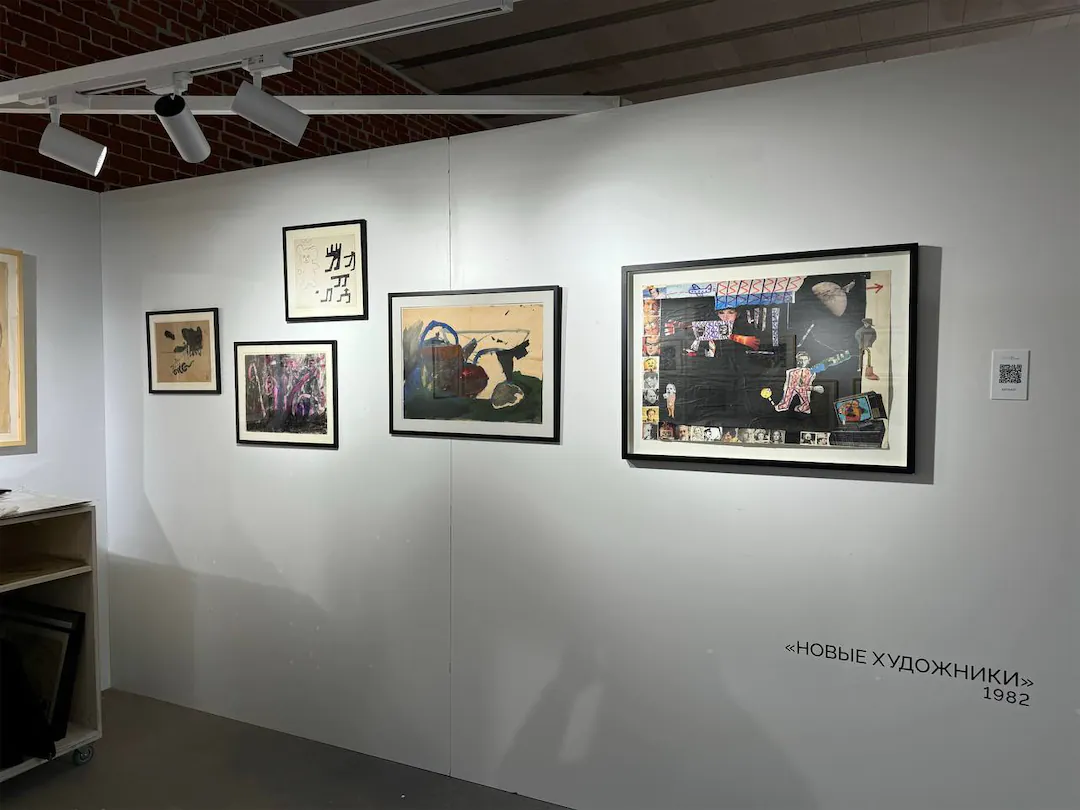
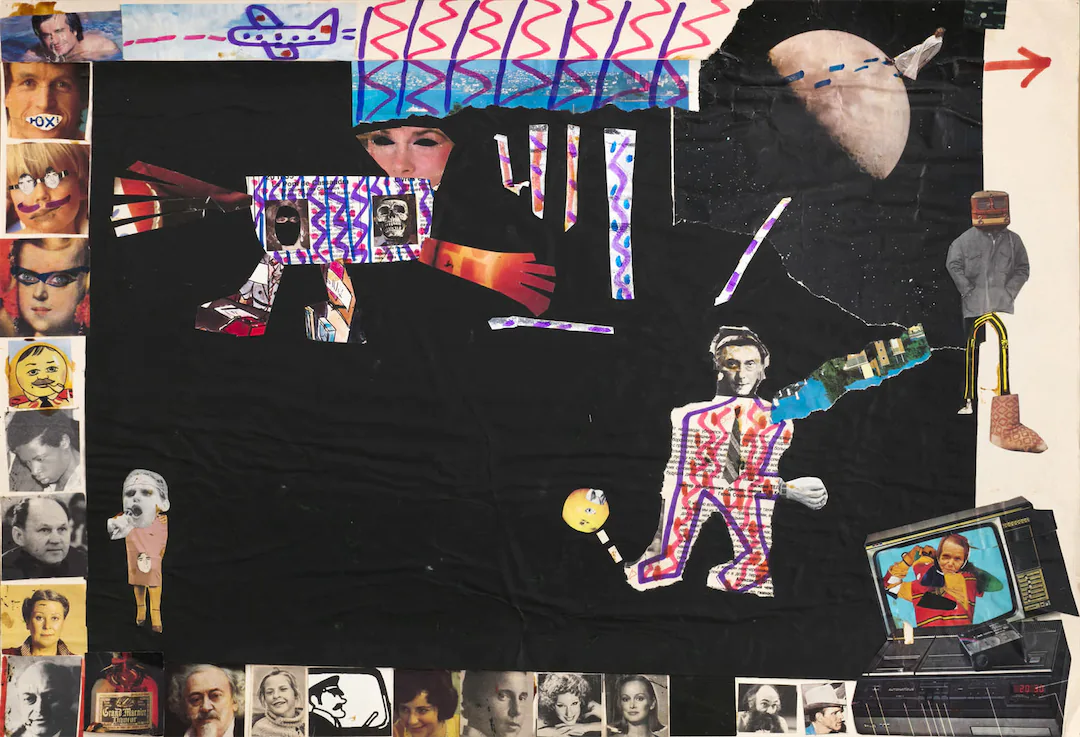
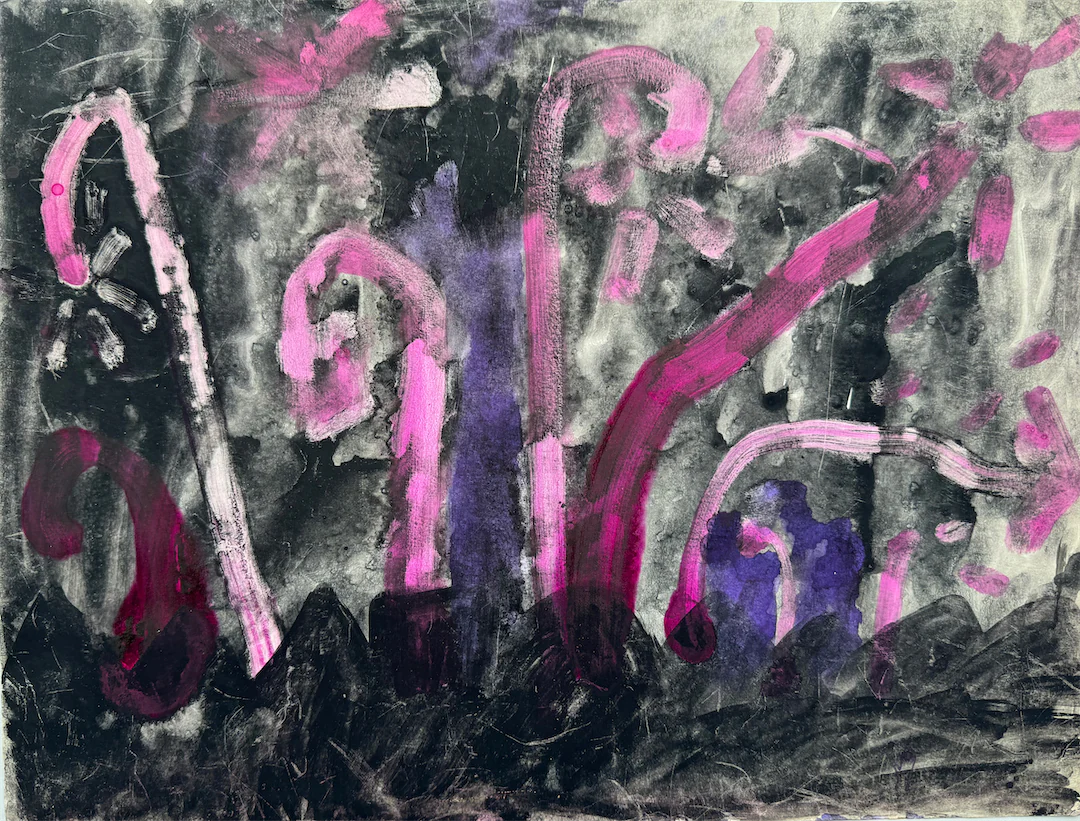
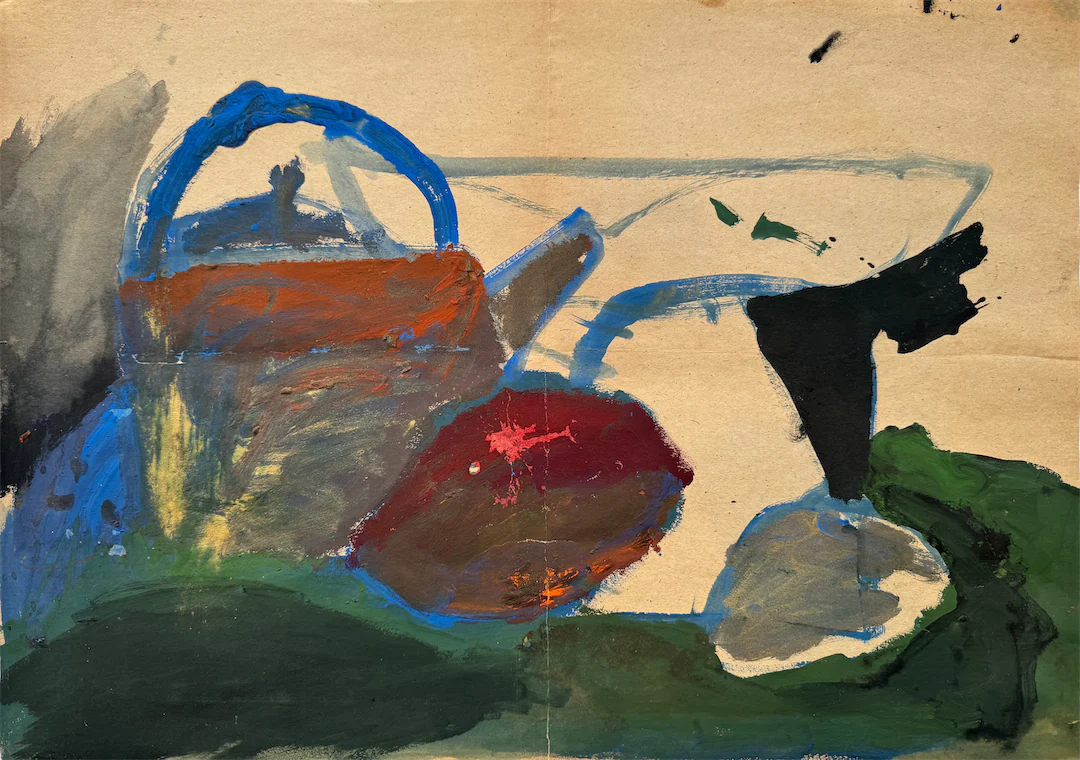
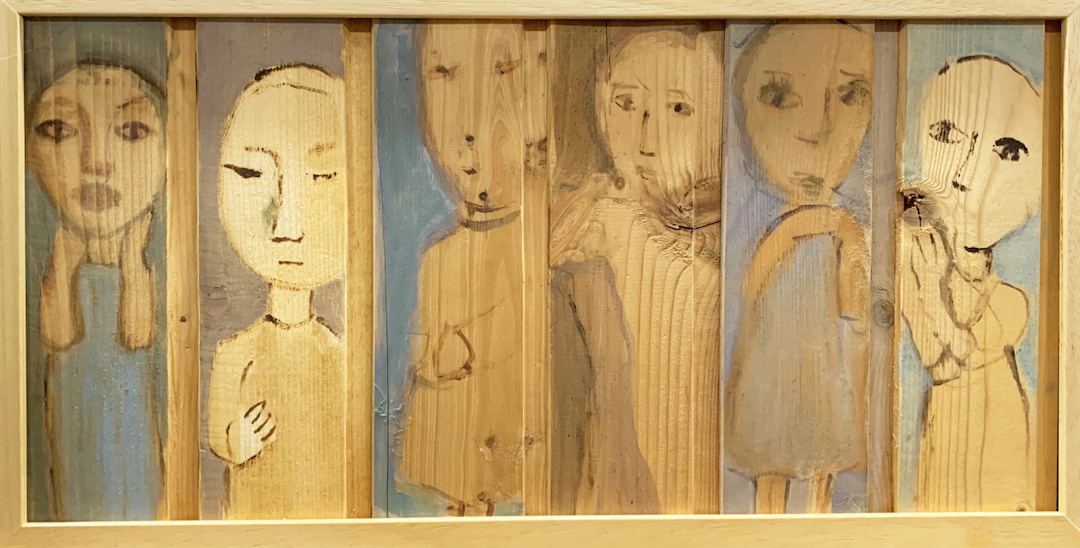
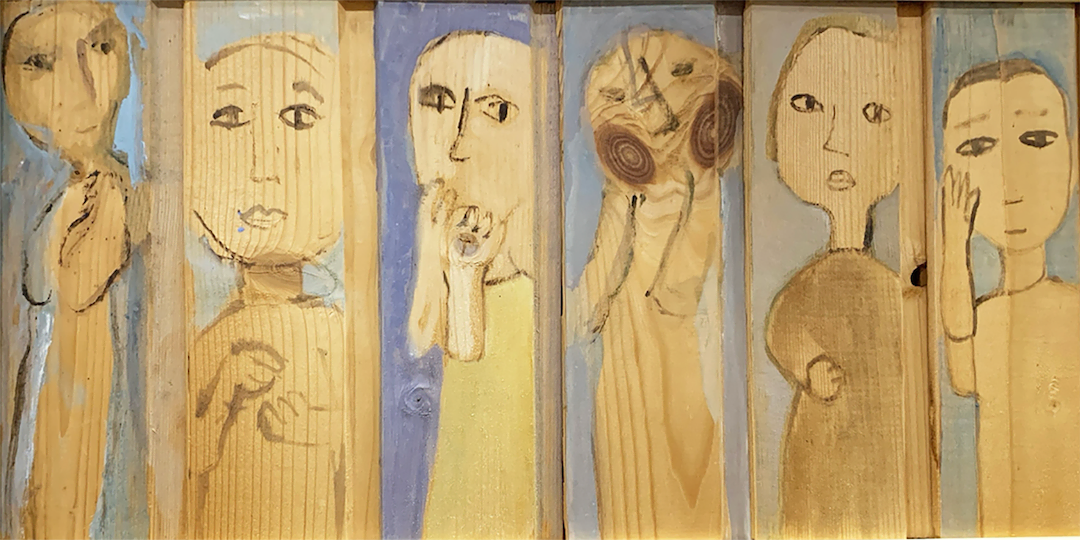
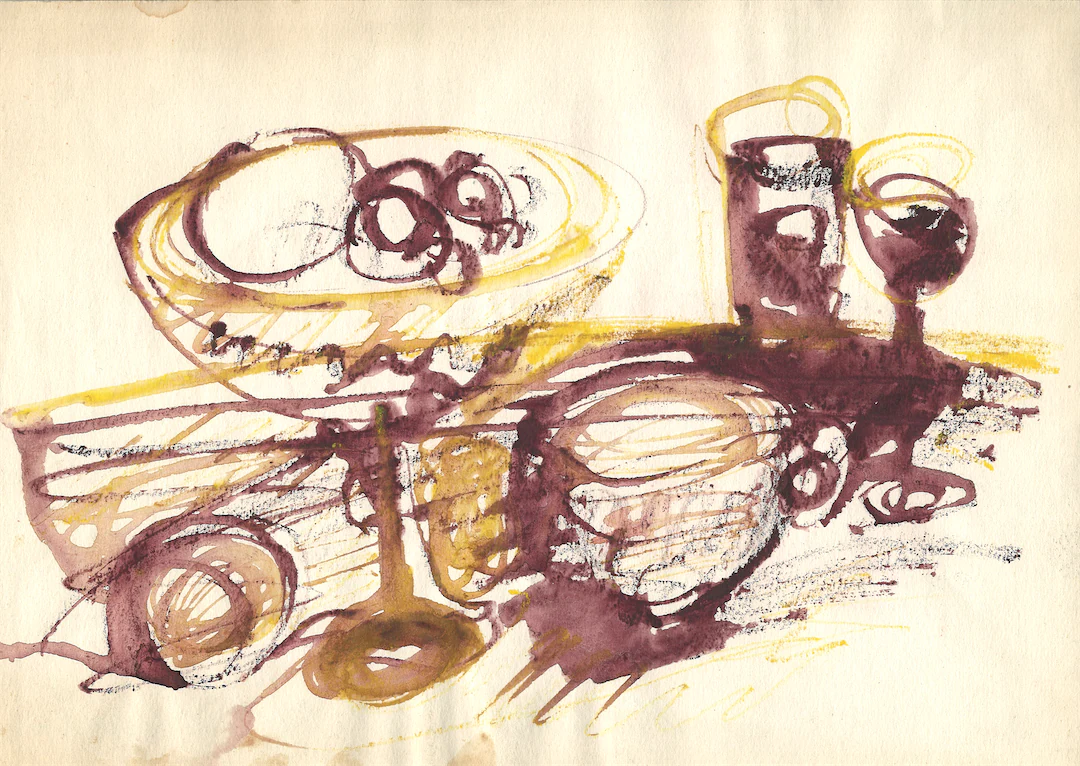
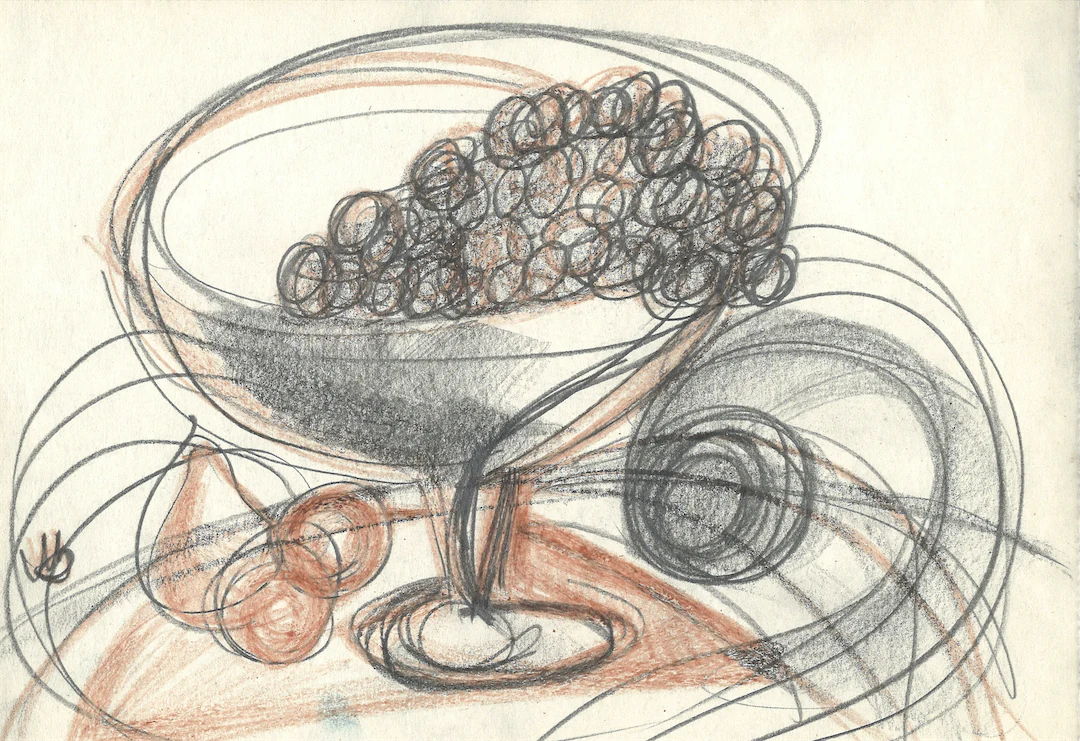
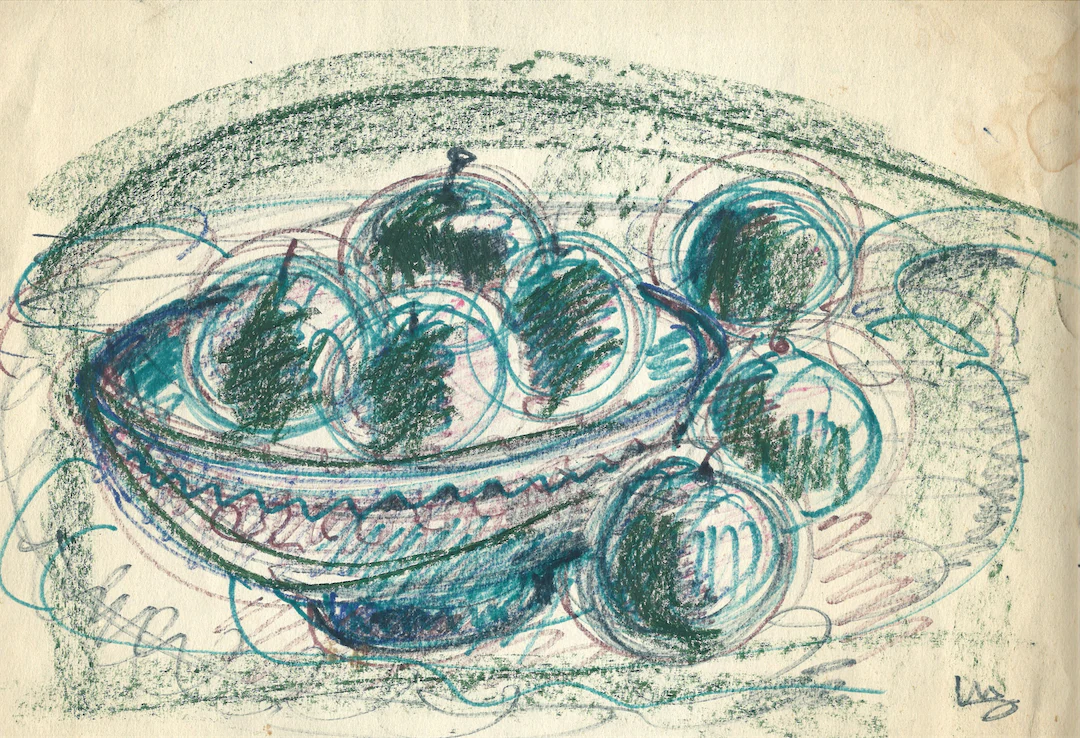
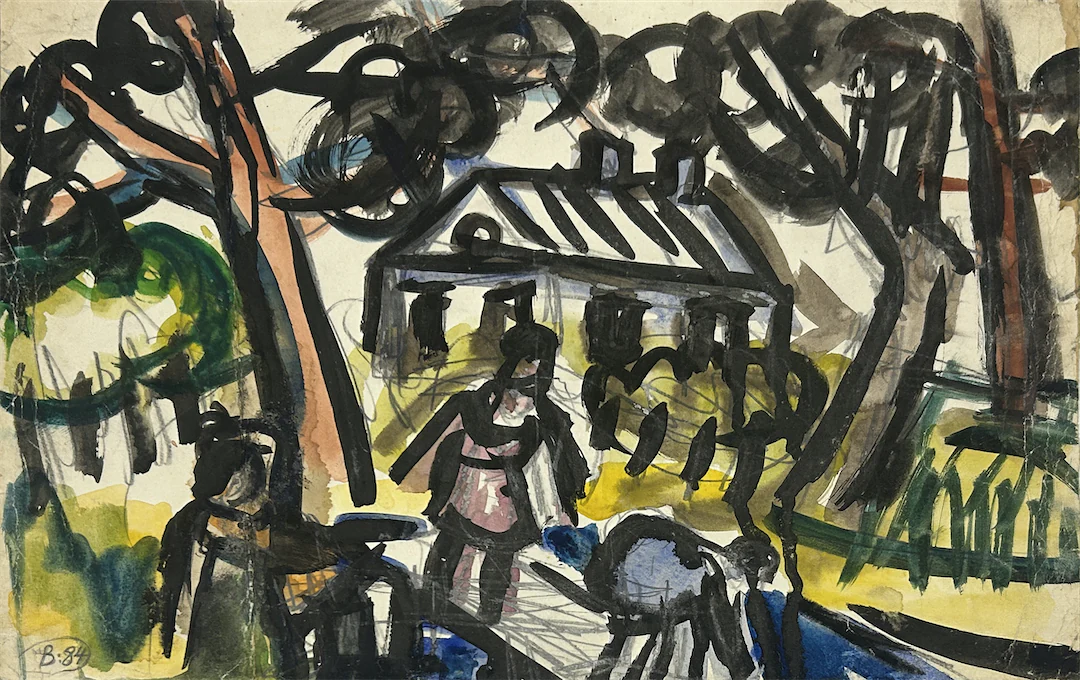
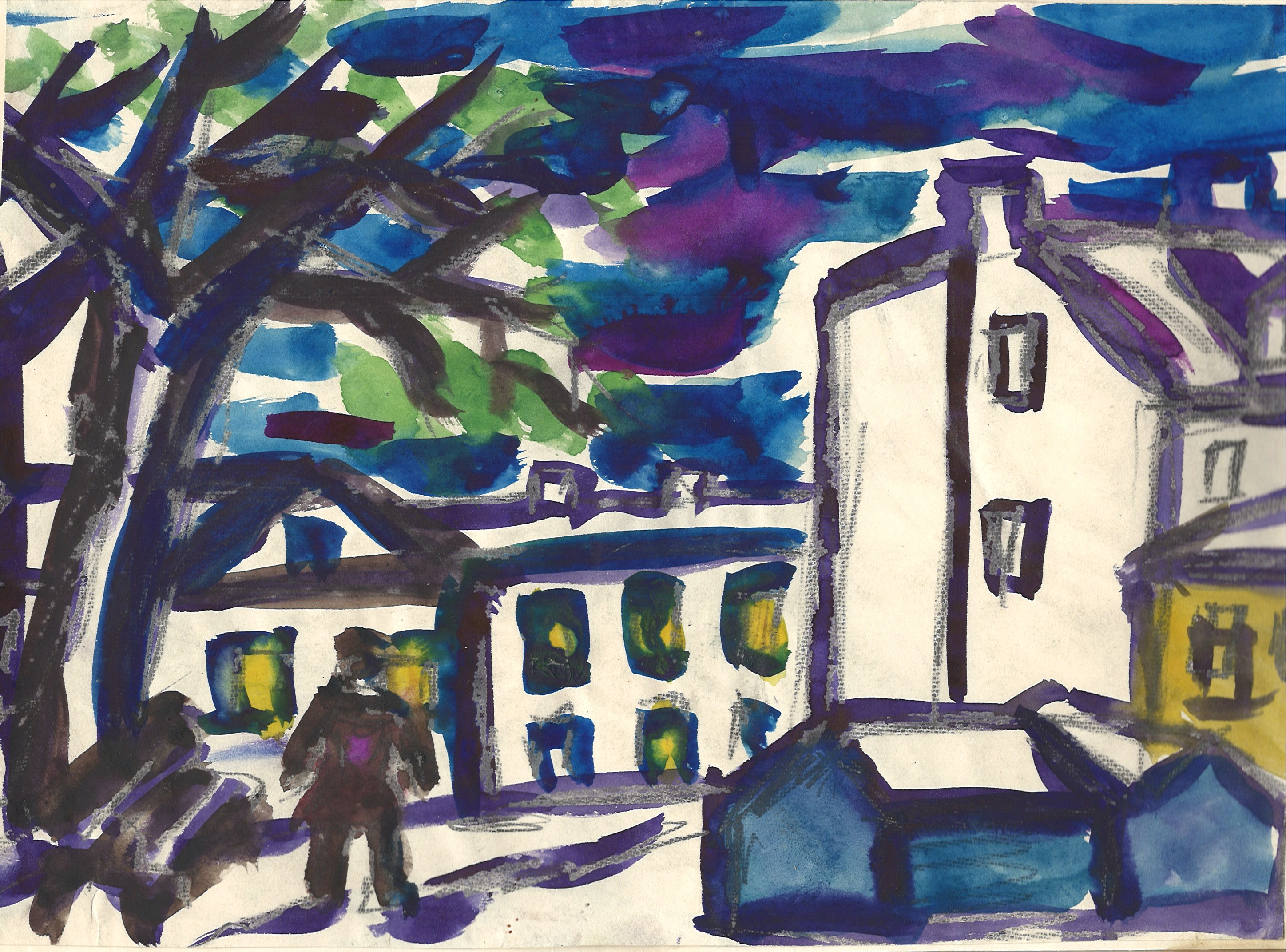
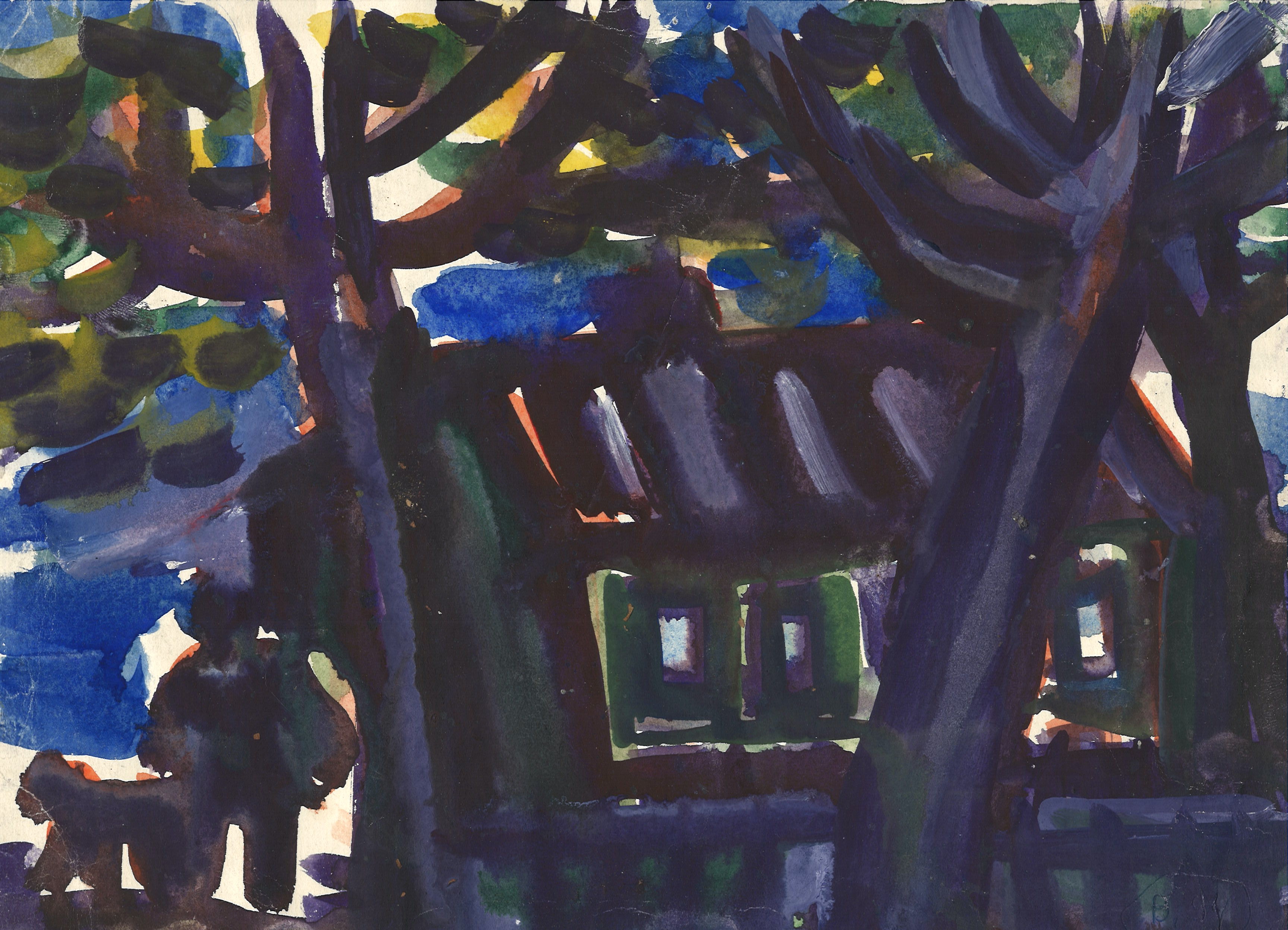
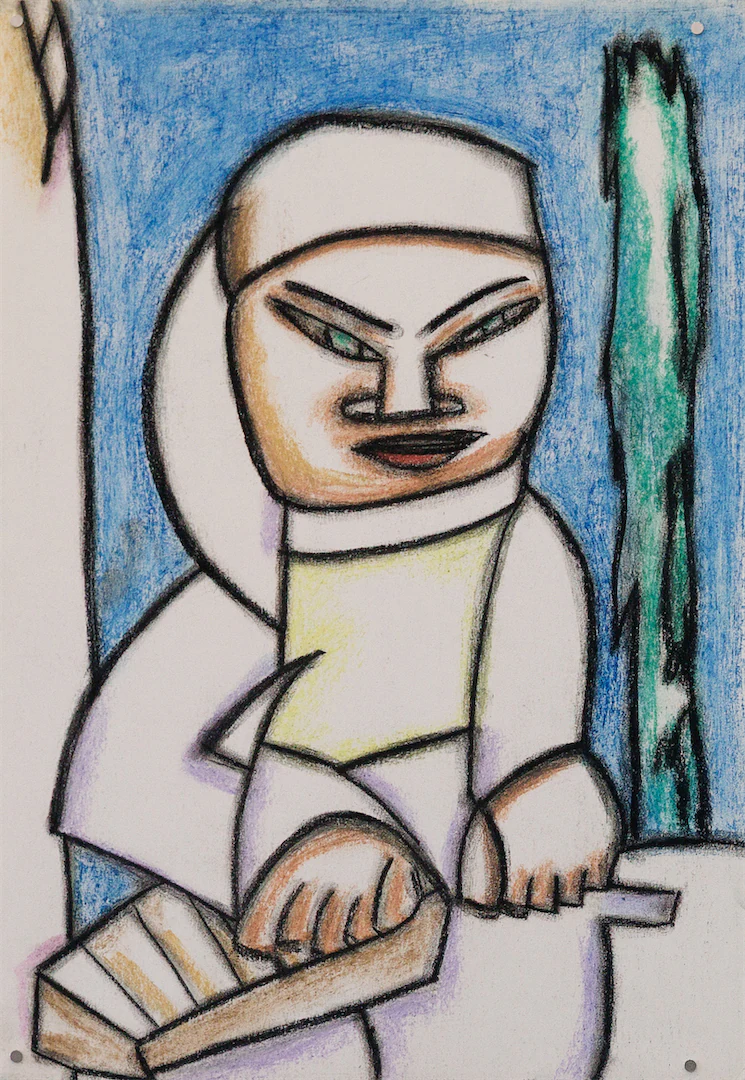
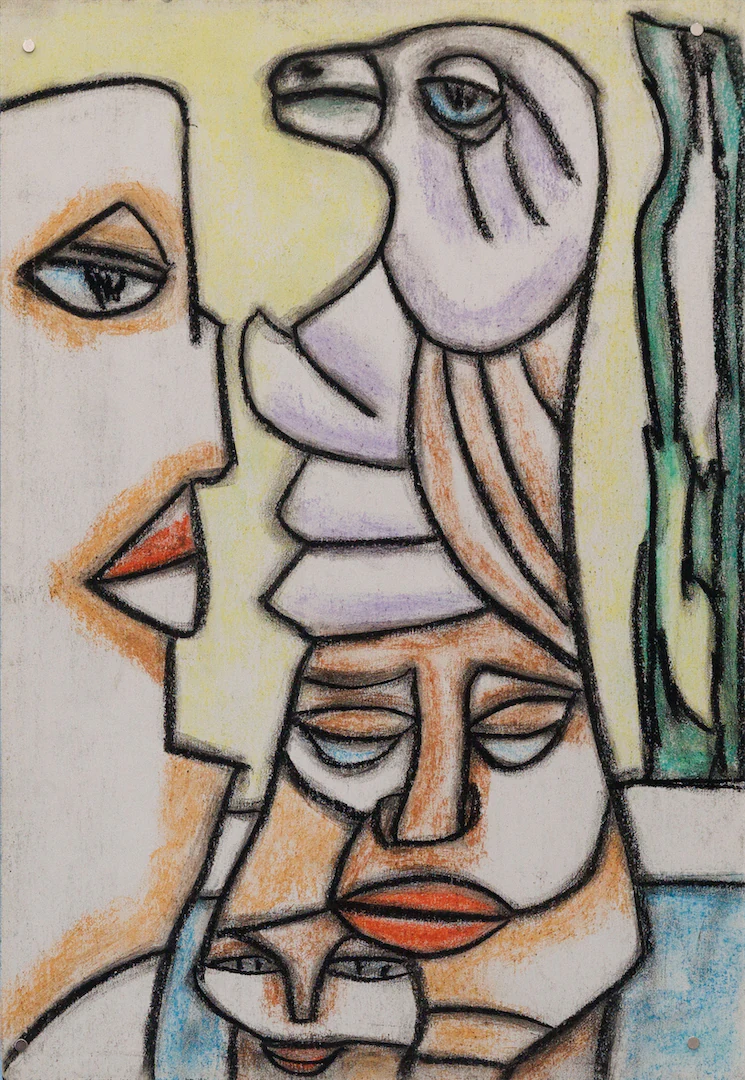
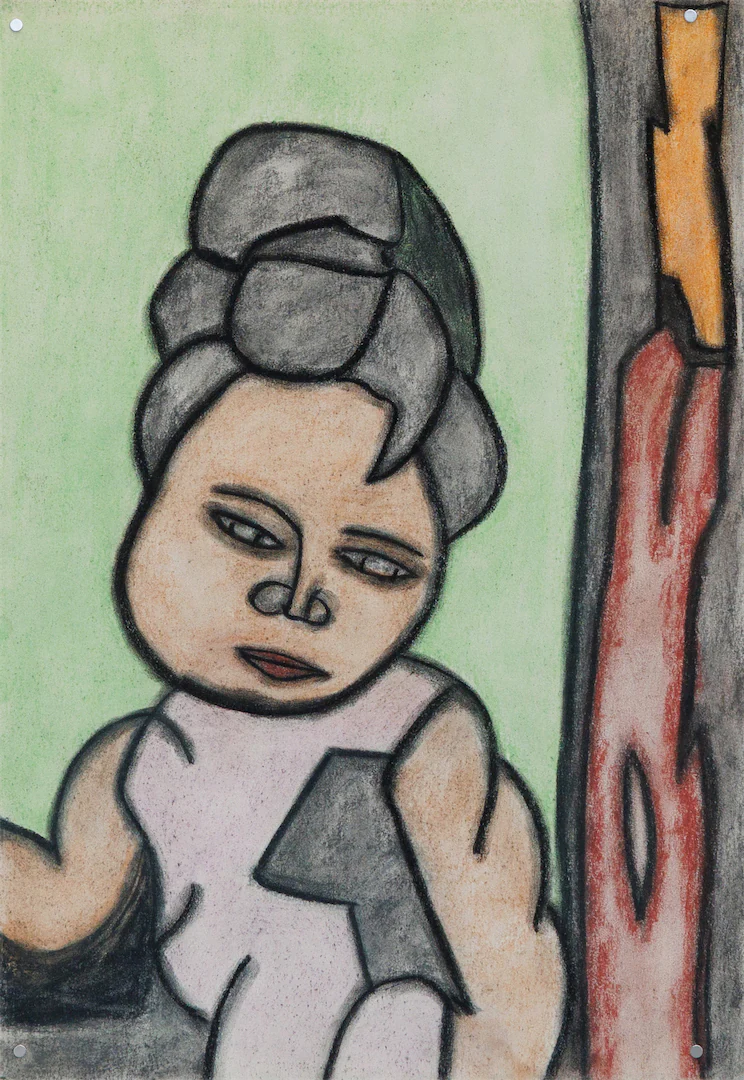
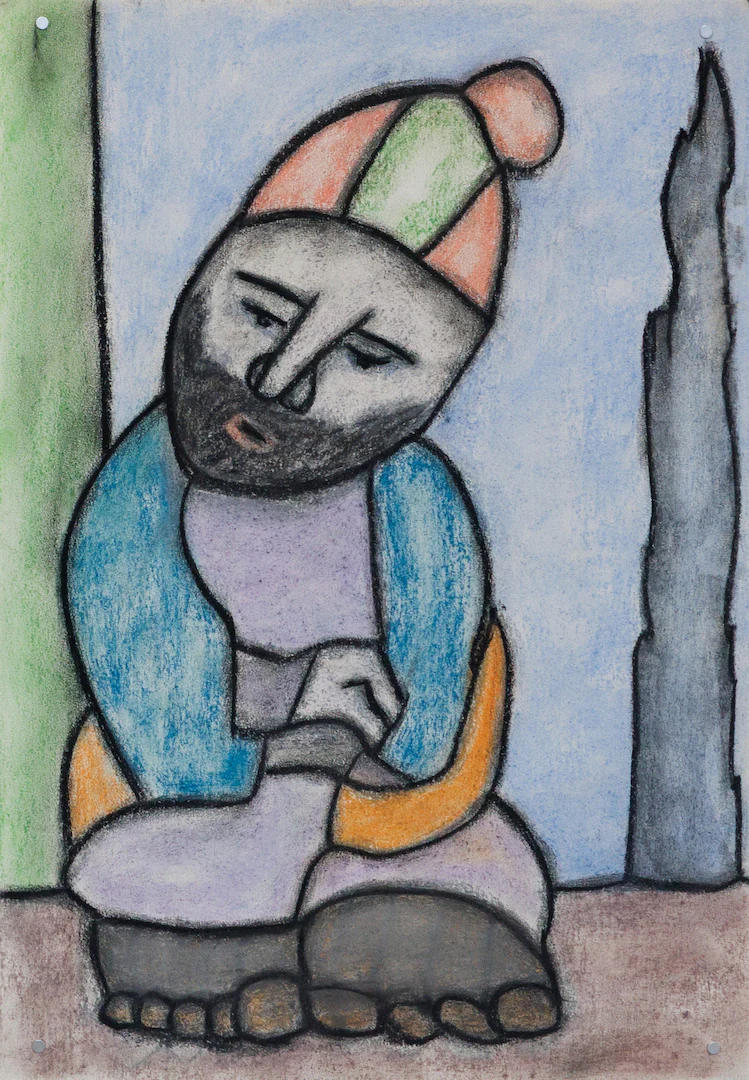
DiDi Gallery will present a stand dedicated to the tradition of Leningrad expressionism and neo-expressionism of the 1940s-1980s. The exhibition will feature the works of the leaders of three art associations, whose practices reflect the continuity and dynamics of the development of expressionist ideas in post-war Leningrad: the Arefyev Circle (the Order of Non-Selling Painters), the Chronicle group, and the New Artists.
The stand will feature works by Alexander Arefyev, Vladimir Shagin, Sholom Schwartz, Boris Koshelokhov, Elena Figurina, Timur Novikov, Ivan Sotnikov, and Andrey Krysanov.
— "Arefyev Circle" ("Order of Non-Selling Painters"), founded in 1948. Members: Alexander Arefyev, Richard Vasmi, Valentin Gromov, Vladimir Shagin, and Sholom Schwartz.
The Order of Non-Selling Painters reveals the meaning of the tradition of Leningrad expressionism, an artistic tradition of the Russian metropolis that is contemporary with modernism and at the same time focused on the ideal image of a European city, which in the 20th century was subjected to terrible barbaric trials, affirming the ideas of serving beauty and perfection by its very name, according to art critic Ekaterina Andreeva (Catalog "ONZh". — St. Petersburg: "New Museum", 2011, p. 22).
— The "Chronicle" group (1977-1981). Participants: Bob Koshelokhov, Timur Novikov, Elena Figurina, and others.
B. Koshelokhov's postulate "we write our souls on anything and in any way" seemed to be the most appropriate expression of the principle of nonconformity in art, allowing for experimentation in finding ways to express oneself. The sincere expression of the artist's feelings and struggles on the canvas was in line with the tradition of expressionism, which became an important aspect of the "Chronicle" artists' subsequent work. — Preface to the "Chronicle" catalog, St. Petersburg: DiDi Gallery, 2014, p. 3.
— The "New Artists" group was founded in 1982. Participants: Timur Novikov, Oleg Kotelnikov, Ivan Sotnikov, Vadim Ovchinnikov, Evgeny Kozlov, Georgy Guryanov, Sergey Bugaev-Africa, Andrey Khlostybin, and others.
Larionov's all-encompassing approach, combined with Koshelochov's "everything is art," unexpectedly collided with the ideas of the new wave, resulting in a surge of activity of a new type. If Koshelokhov painted his paintings on stretcher frames and still used oil paint, even though the stretcher frames were broken out of furniture in the garbage, and the upholstery from old sofas was stretched over the canvas instead, the New Artists rejected both the stretcher frame and even the traditional canvas surface and oil paint, as mentioned in Timur Novikov's lecture at the PRO ARTE Institute in March 2002.
DiDi Gallery Stand - No. 50
May 14 - 17, 2026
Contour. Photo, 3rd floor
Nizhny Novgorod, 1B Nizhne-Volzhskaya Embankment
© St. Petersburg, 2005, all rights reserved