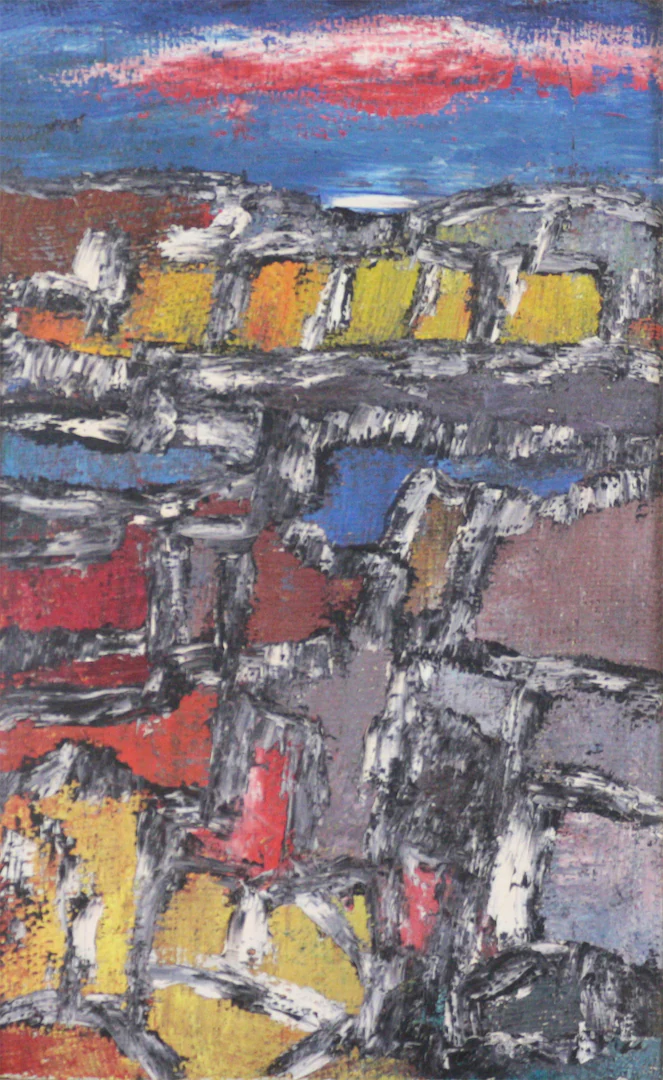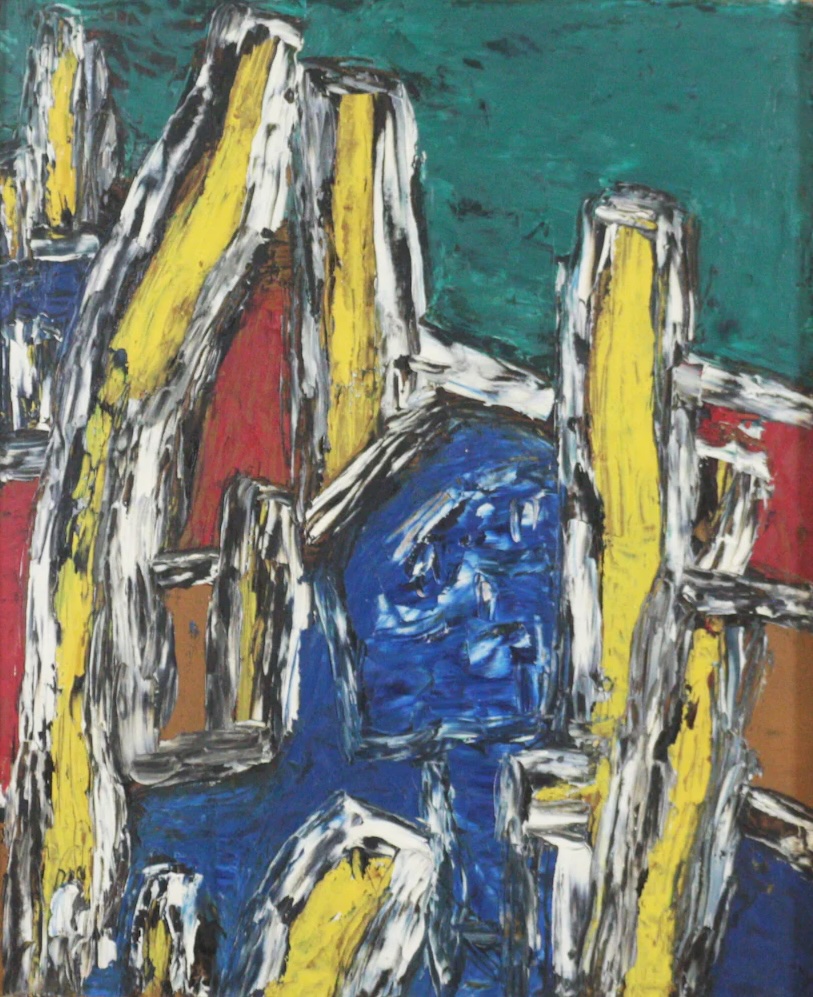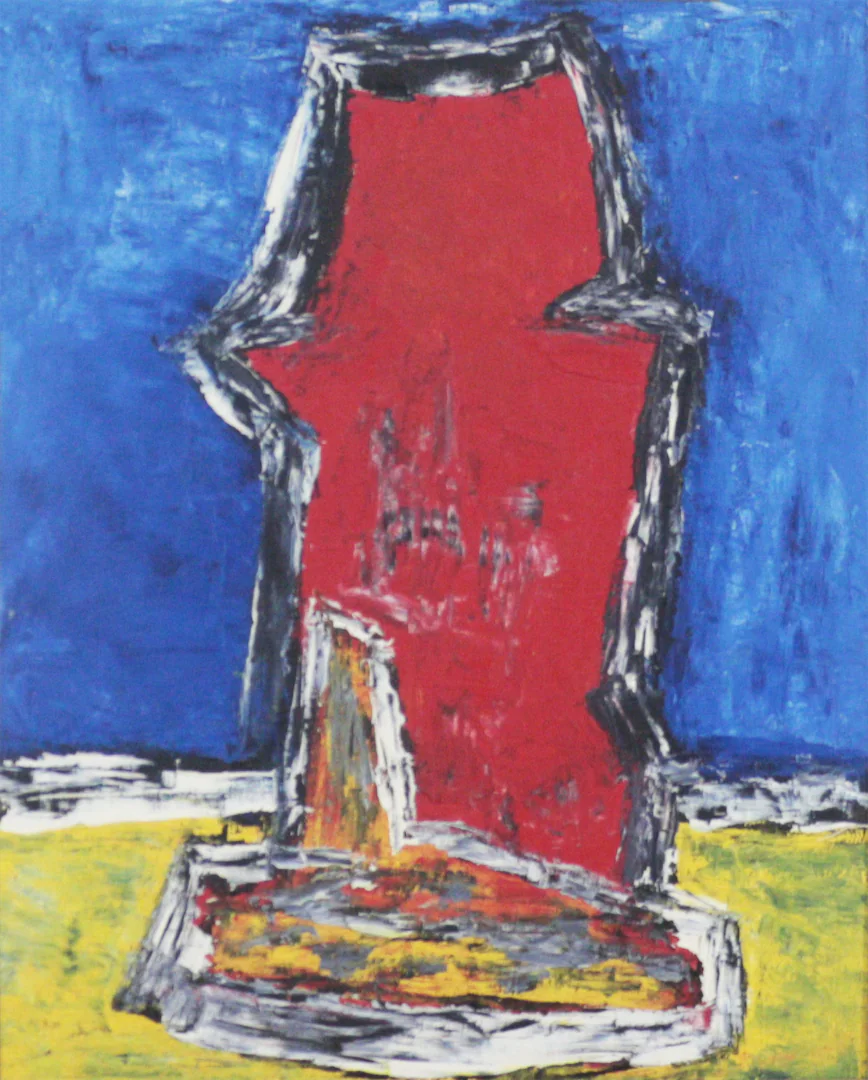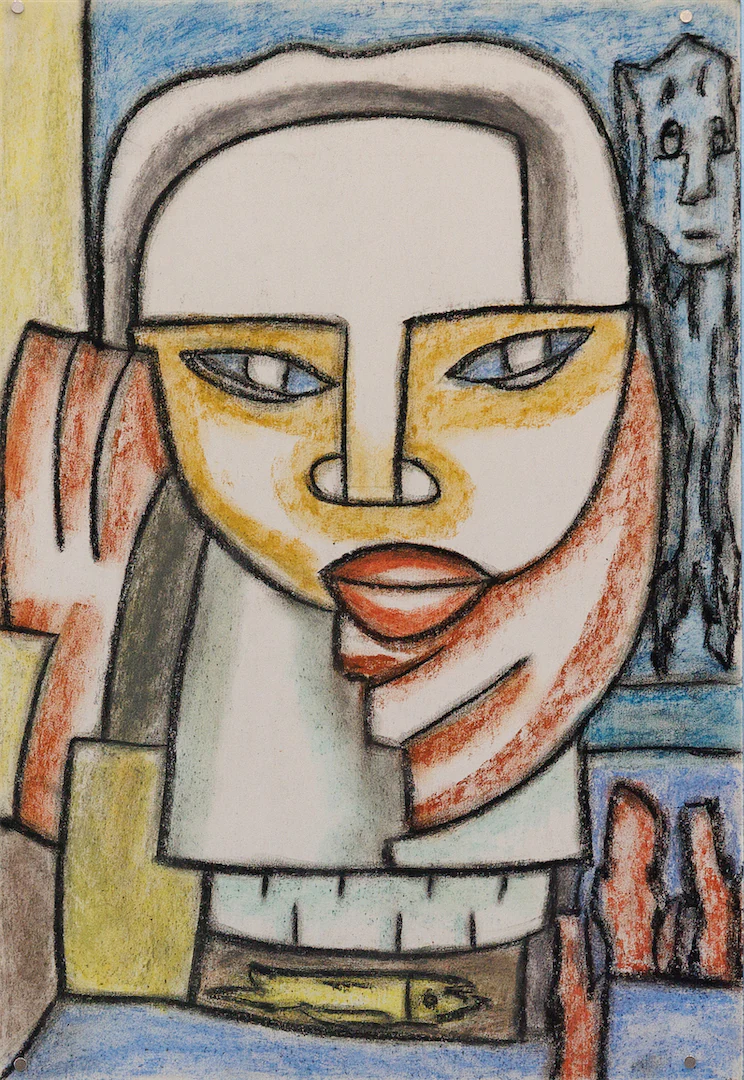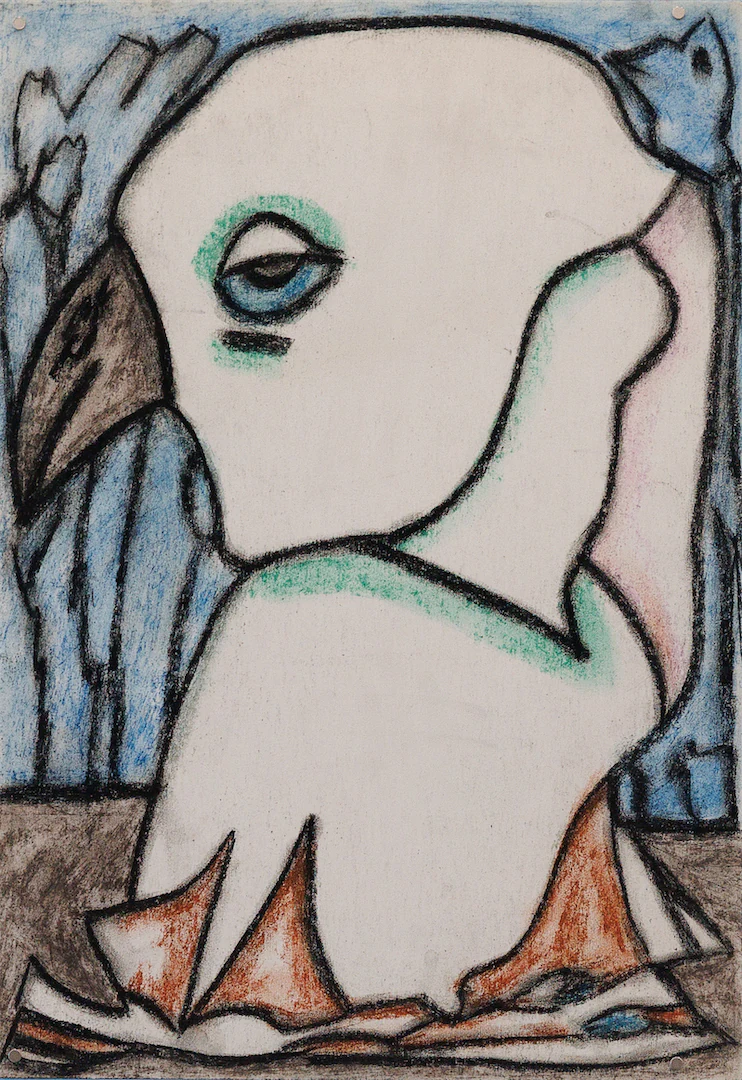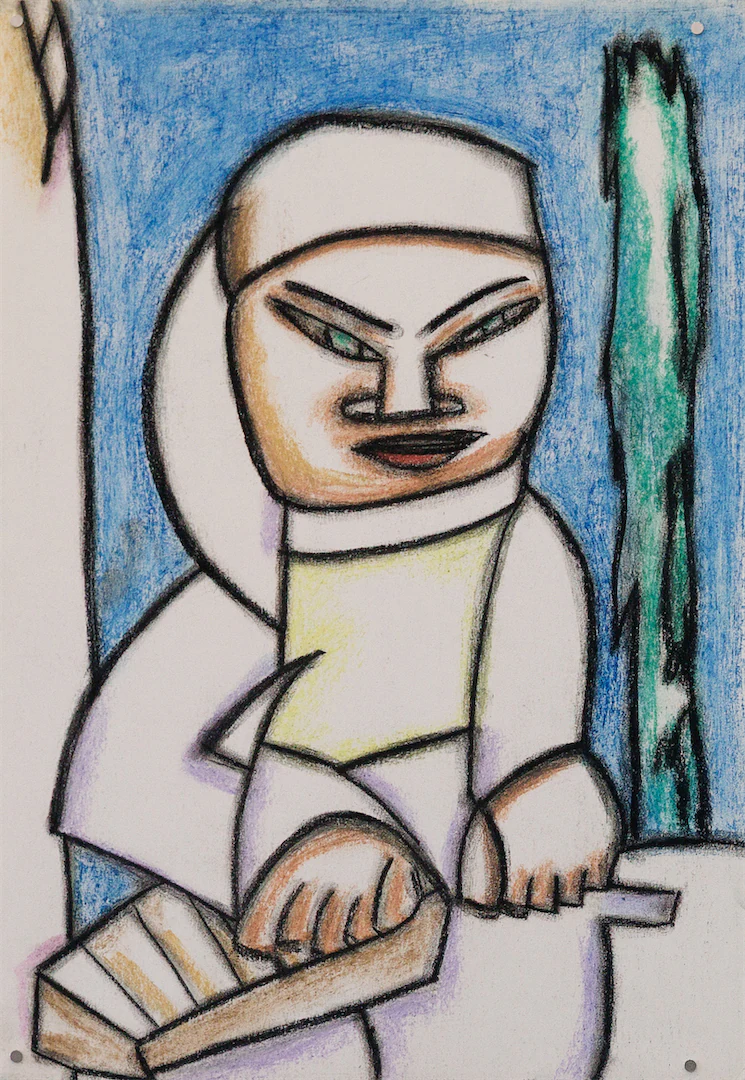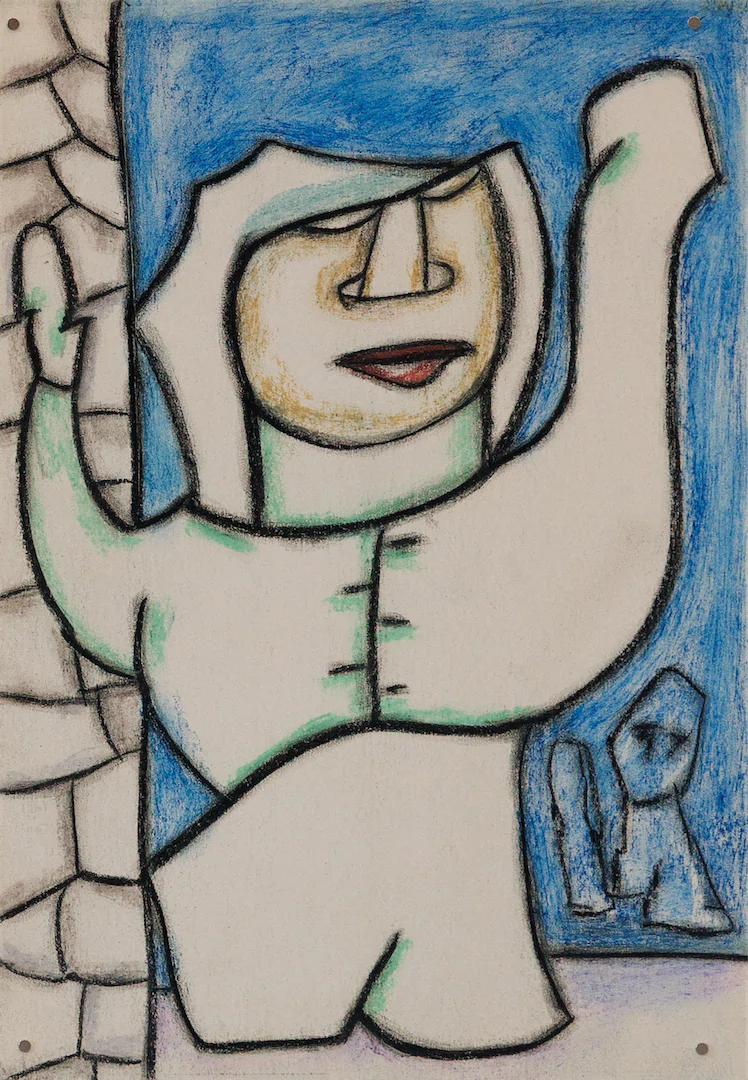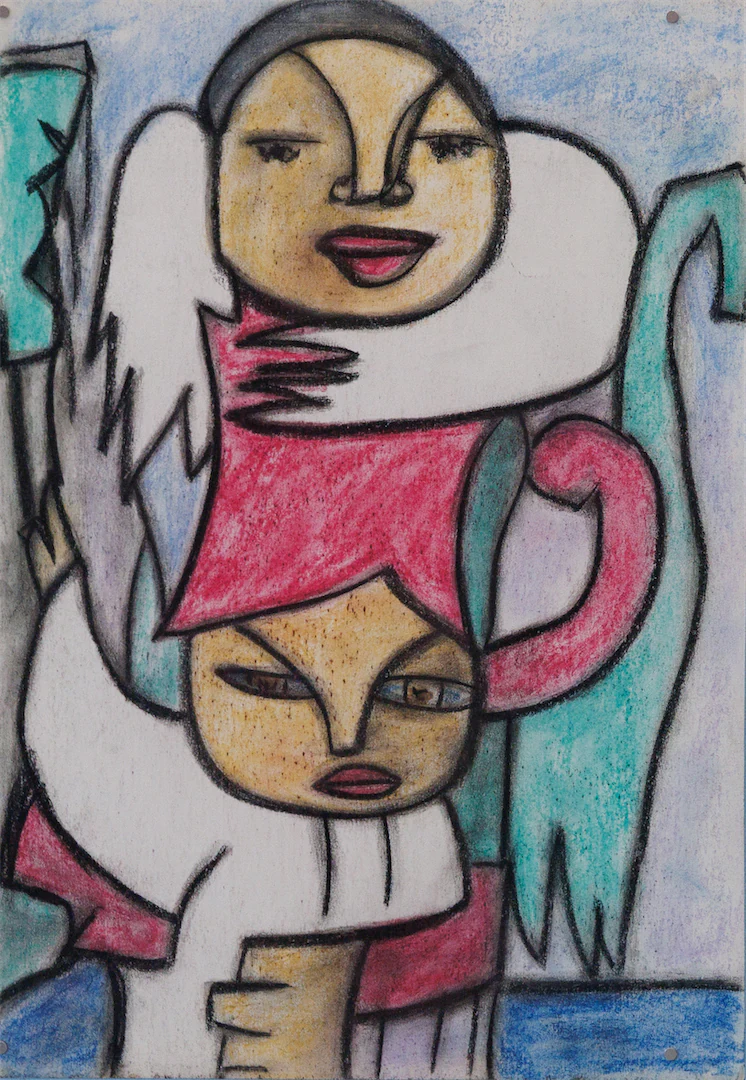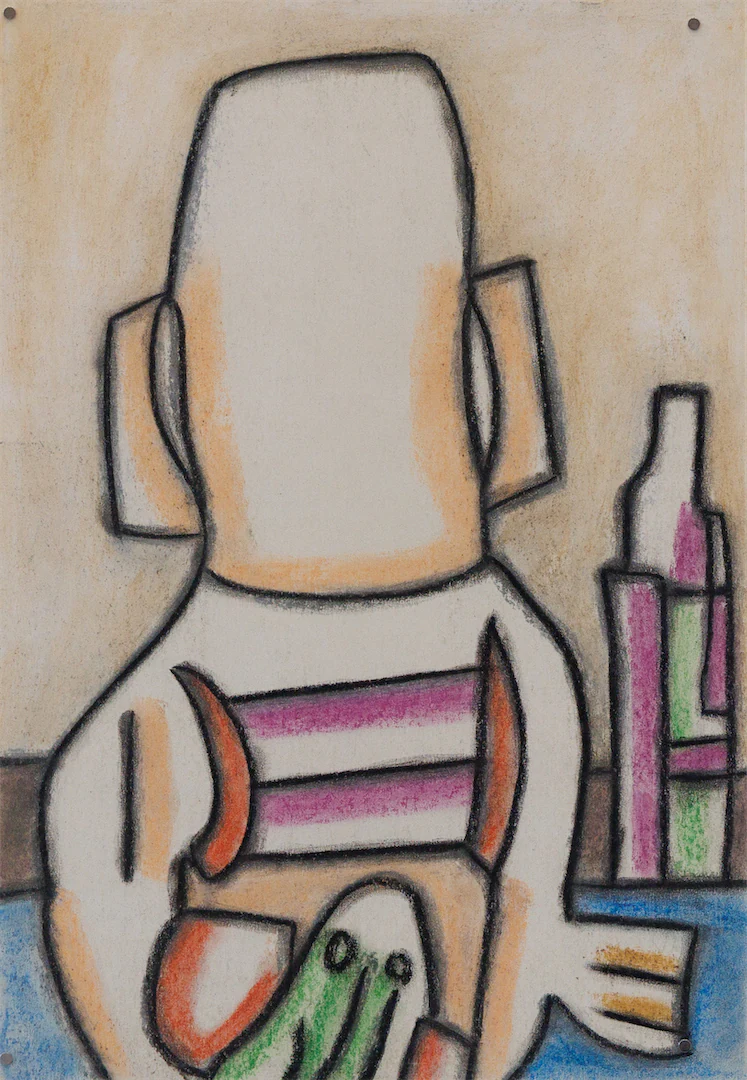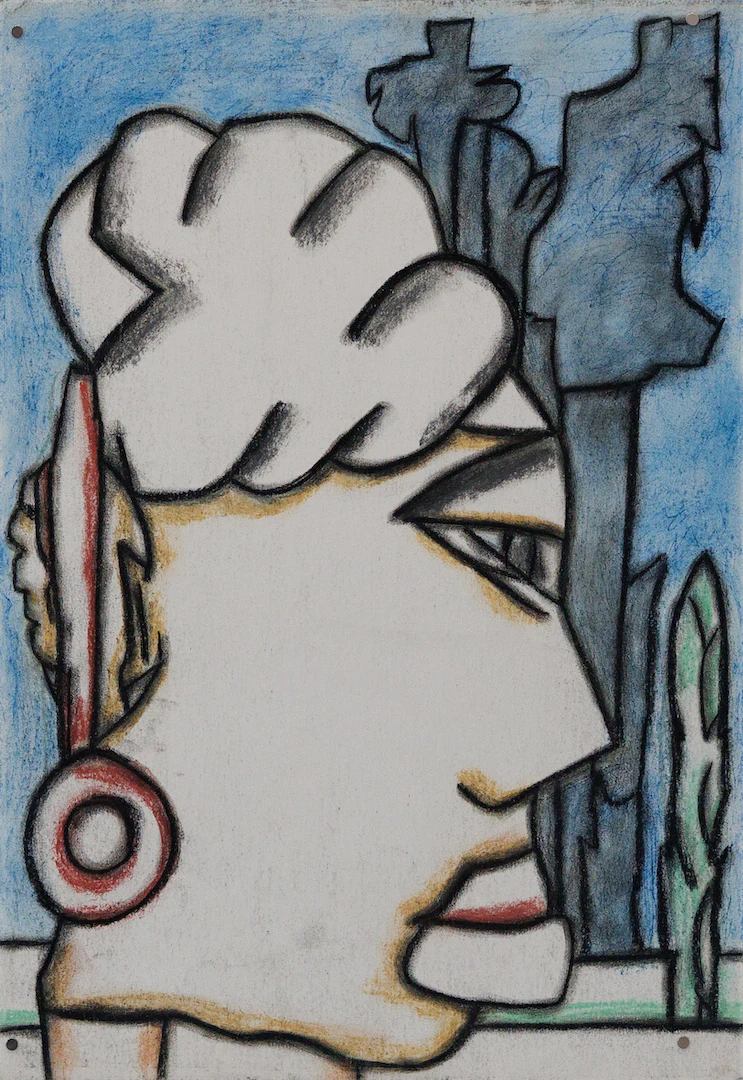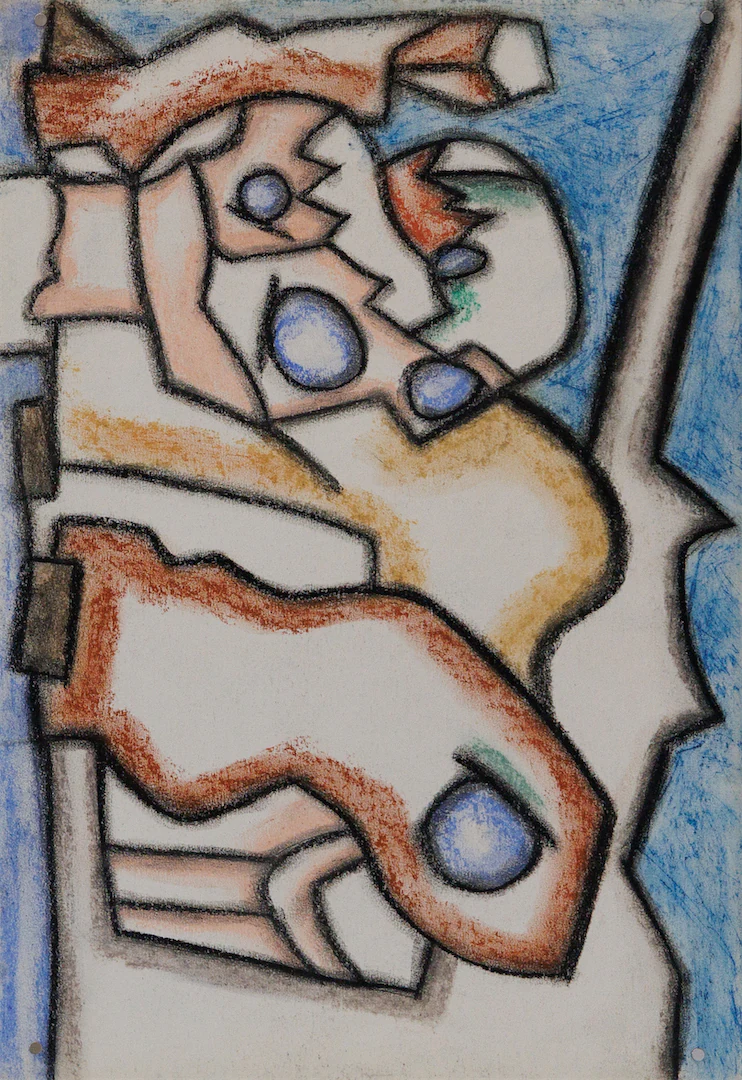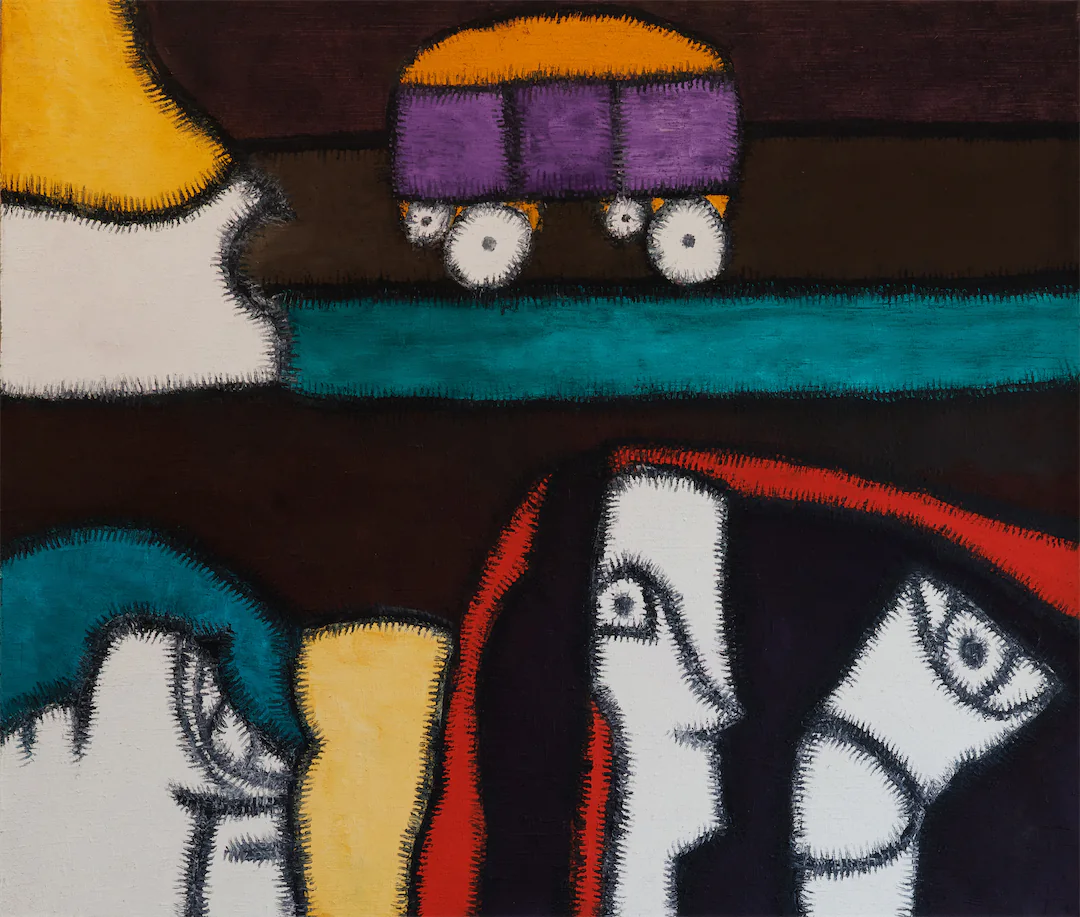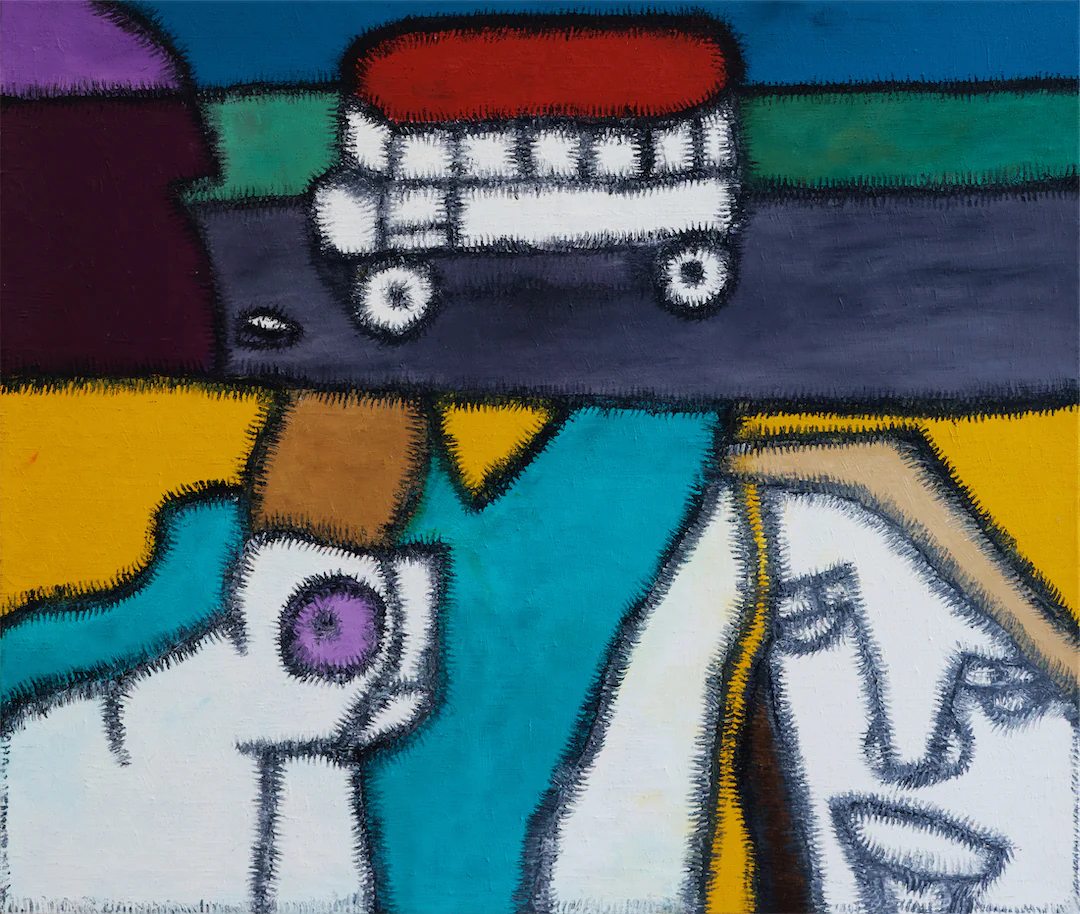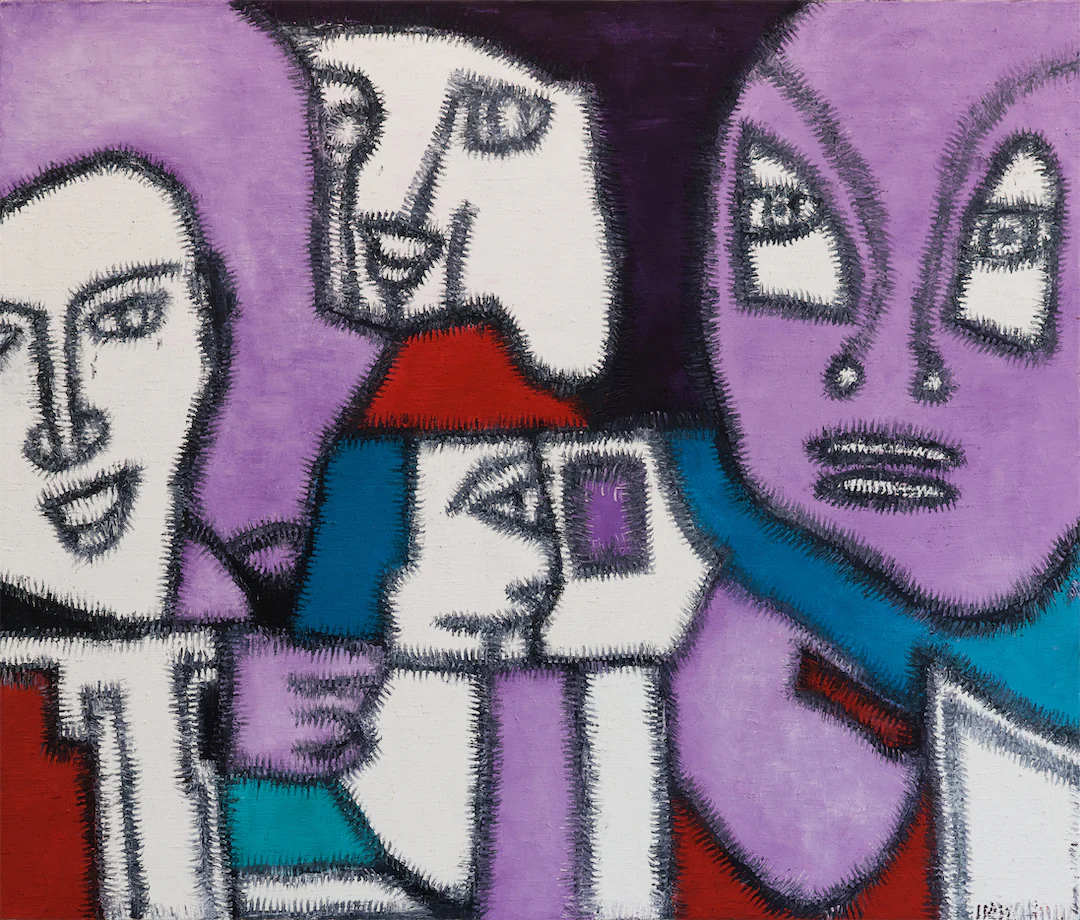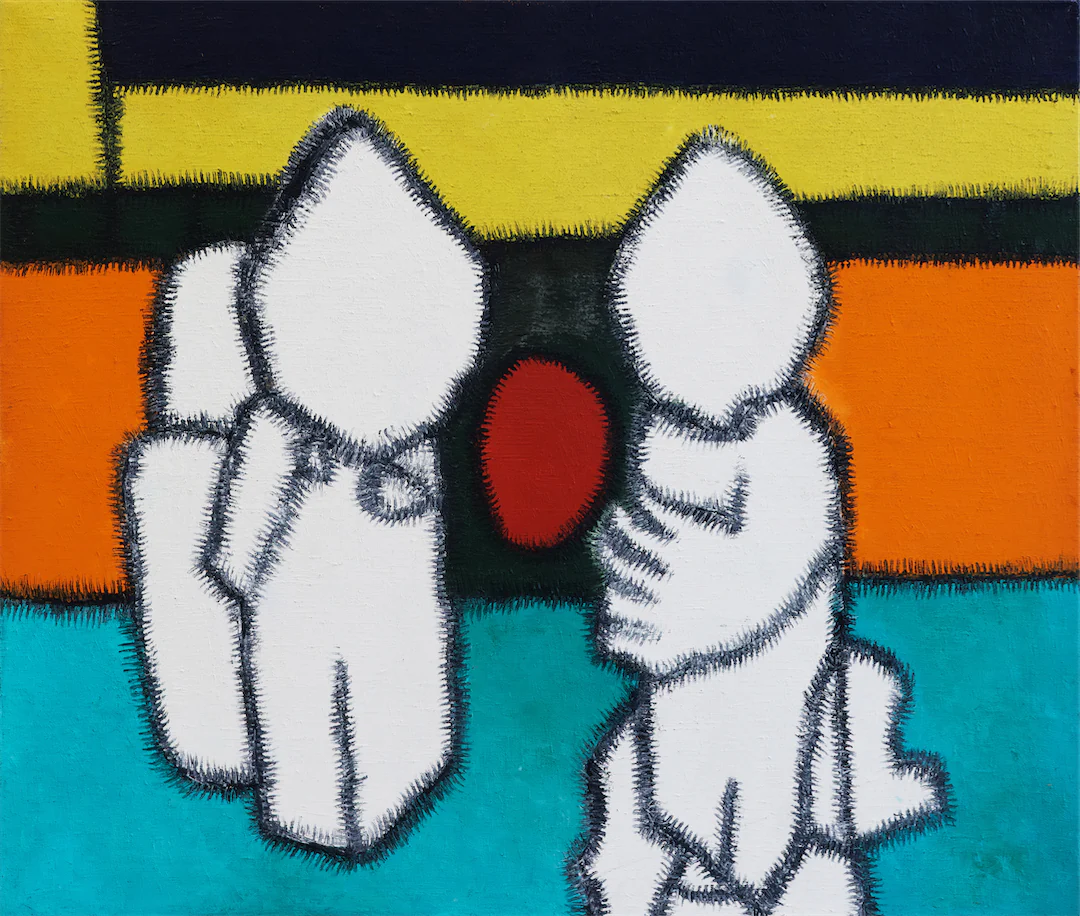
1942-2021, USSR, Zlatoust
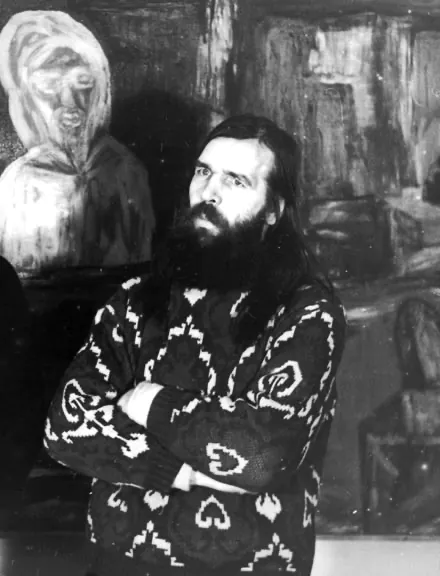
One of the key artists of Leningrad's unofficial art scene and founder of the "Letopis" group.
Born in 1942 in the city of Zlatoust in the Southern Urals, he was orphaned at an early age and ran away from orphanages. He longed to travel and be free. In 1962, he moved to Leningrad and began studying at medical school. After his second year, he was expelled for his fascination with bourgeois philosophy. He tried his hand at various professions: electrician, orderly, driver, and construction worker. He studied philosophy independently, primarily existentialism, and frequently visited the "Publica" (Russian National Library). In 1974, in "Saigon," he met the artist Valery Kleverov and began helping him sell his paintings. Under his influence, he began pursuing artistic expression—painting, assemblage, and spatial composition.
In 1977, he founded the "Letopis" group, whose core principles included presenting new works at weekly meetings. Boris Koshelokhov gathered around him "students," including Timur Novikov, Elena Figurina, and others. Koshelokhov's principle of "writing the soul on anything and however we want" seemed the most accurate expression of the principle of nonconformism in art and allowed him to experiment with new ways of expression.
In 1978, he married an Italian woman and spent several months in Italy. During this period, he participated in the Venice Biennale. Later, to the surprise of his friends, he returned to Leningrad, where he continued to pursue art.
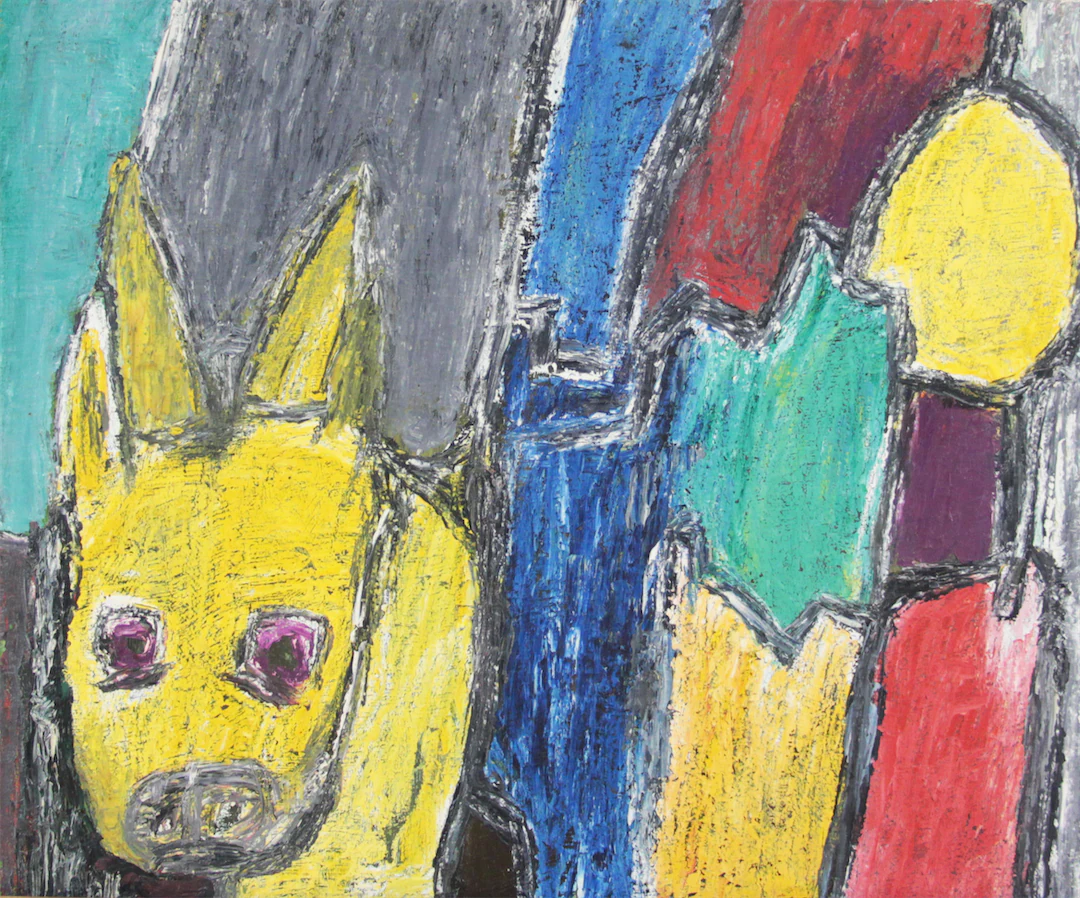
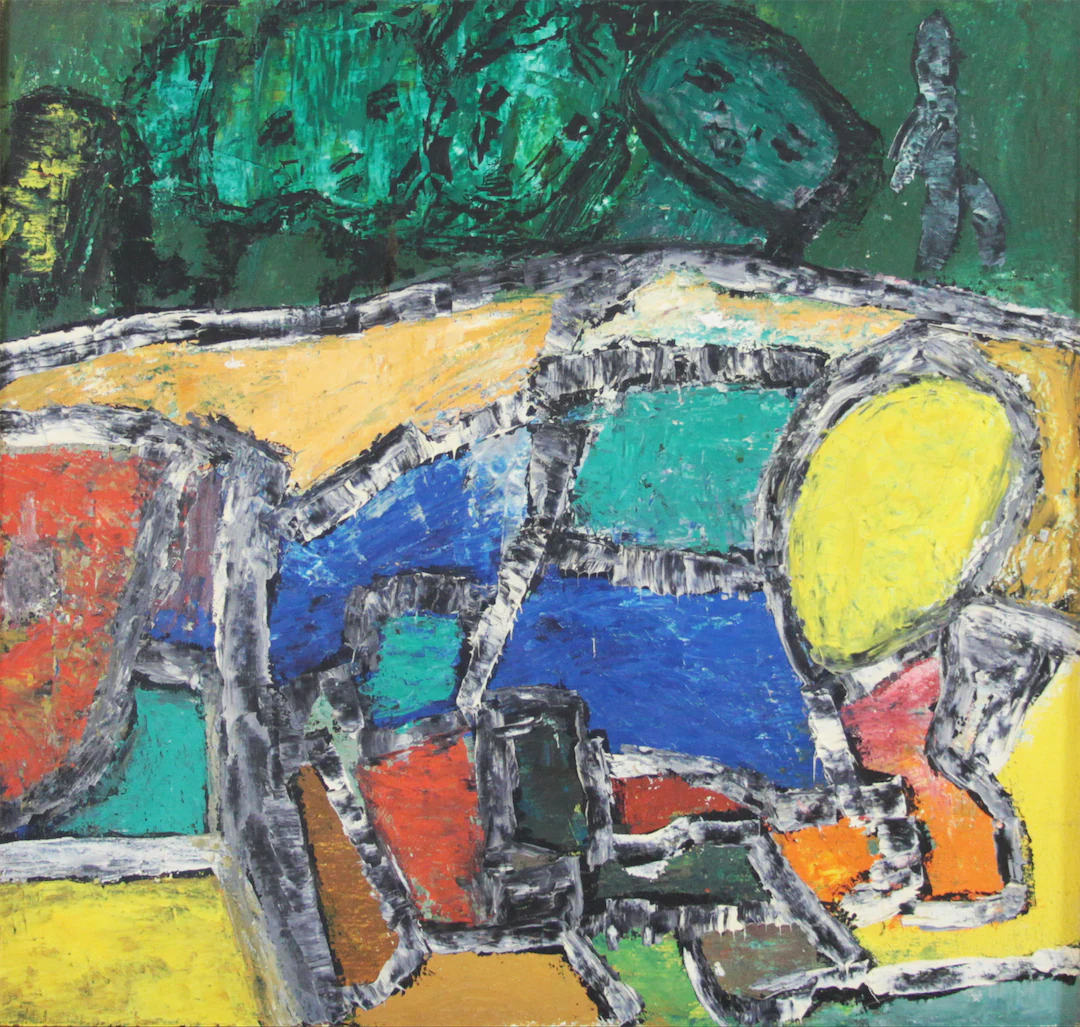
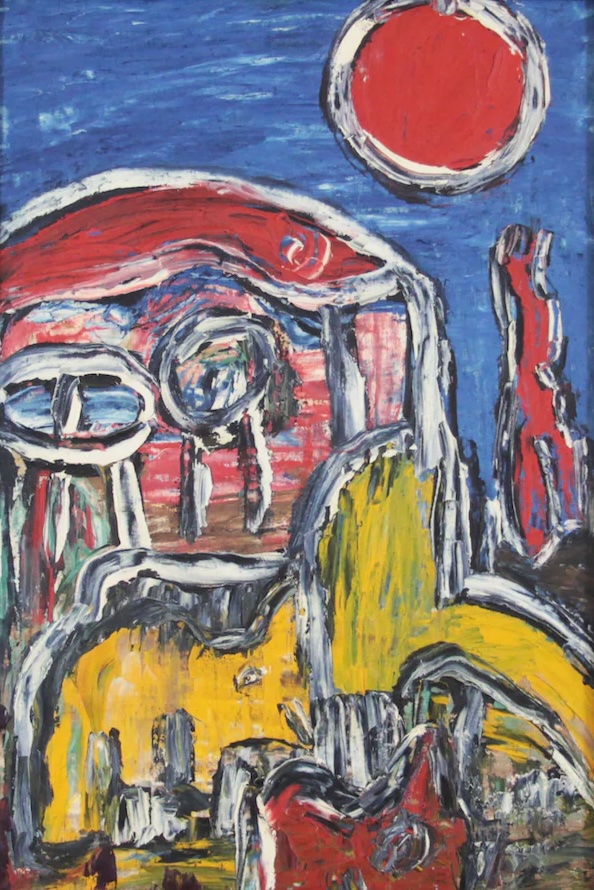
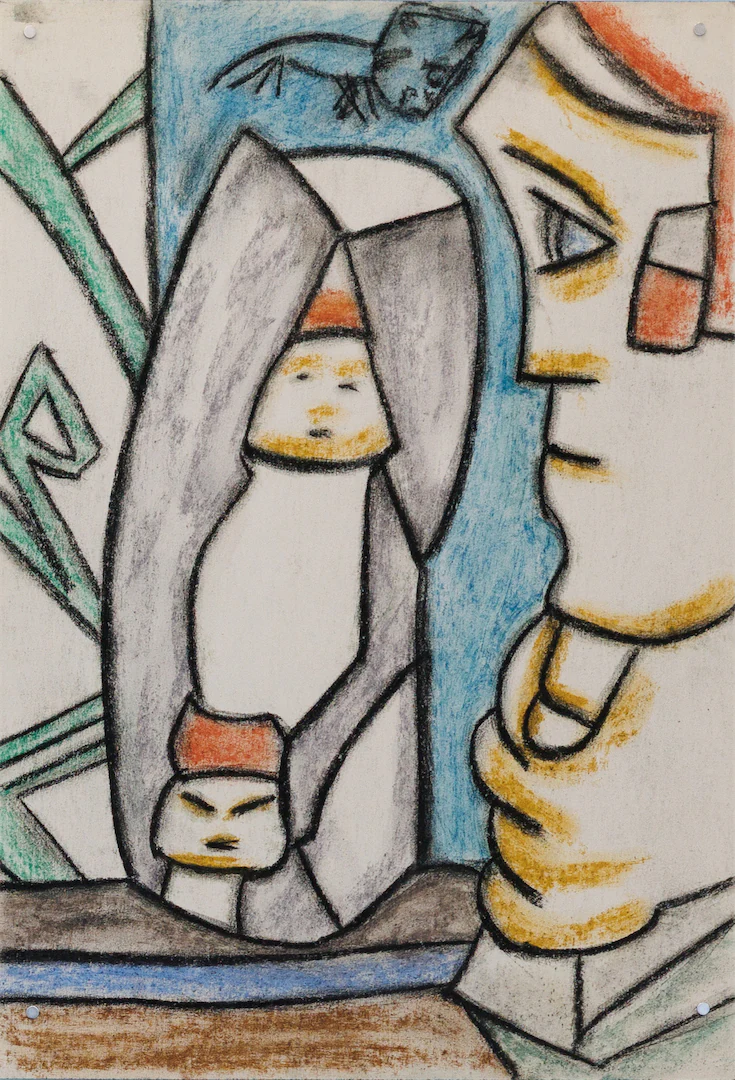
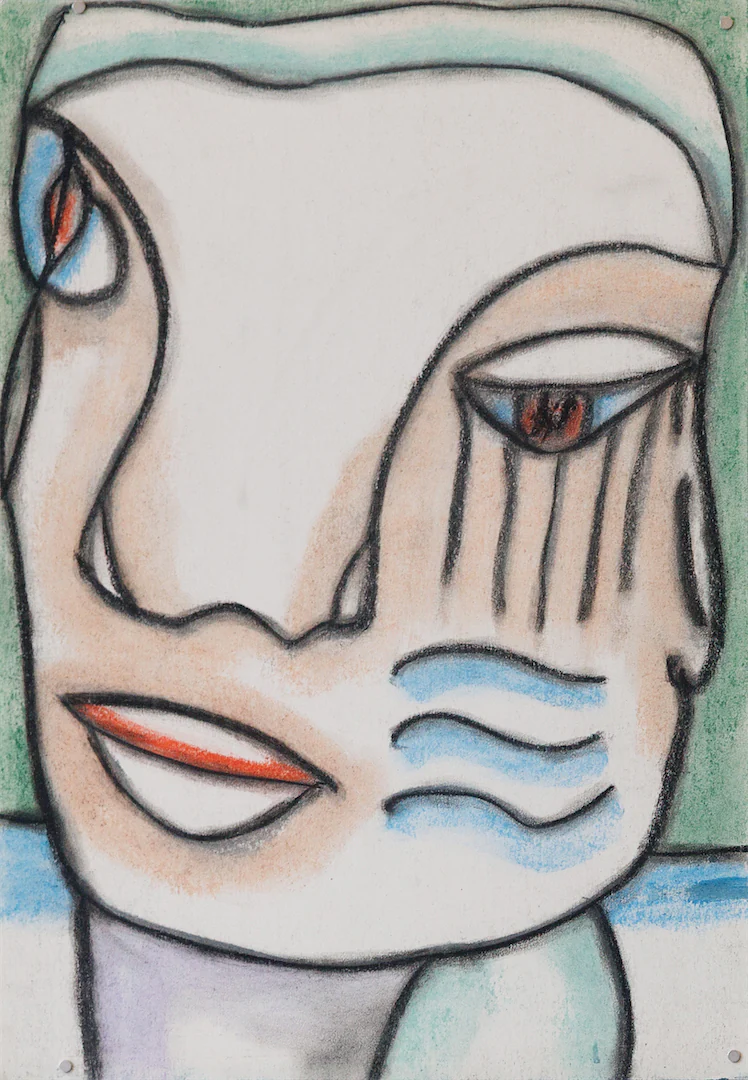
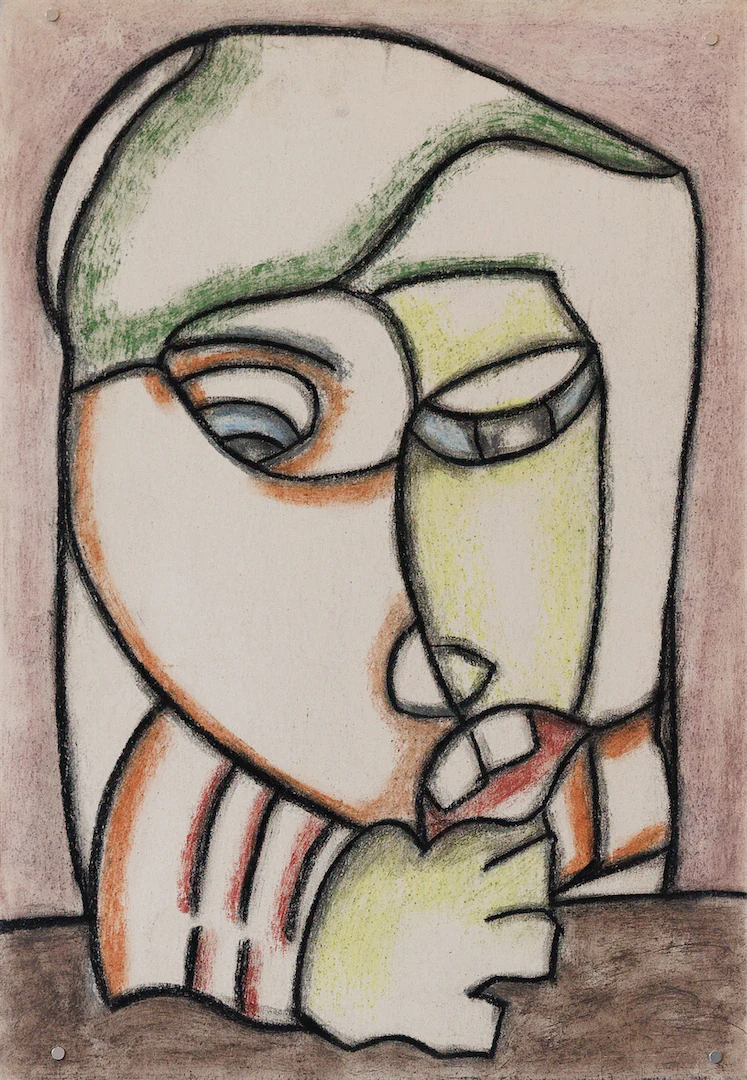
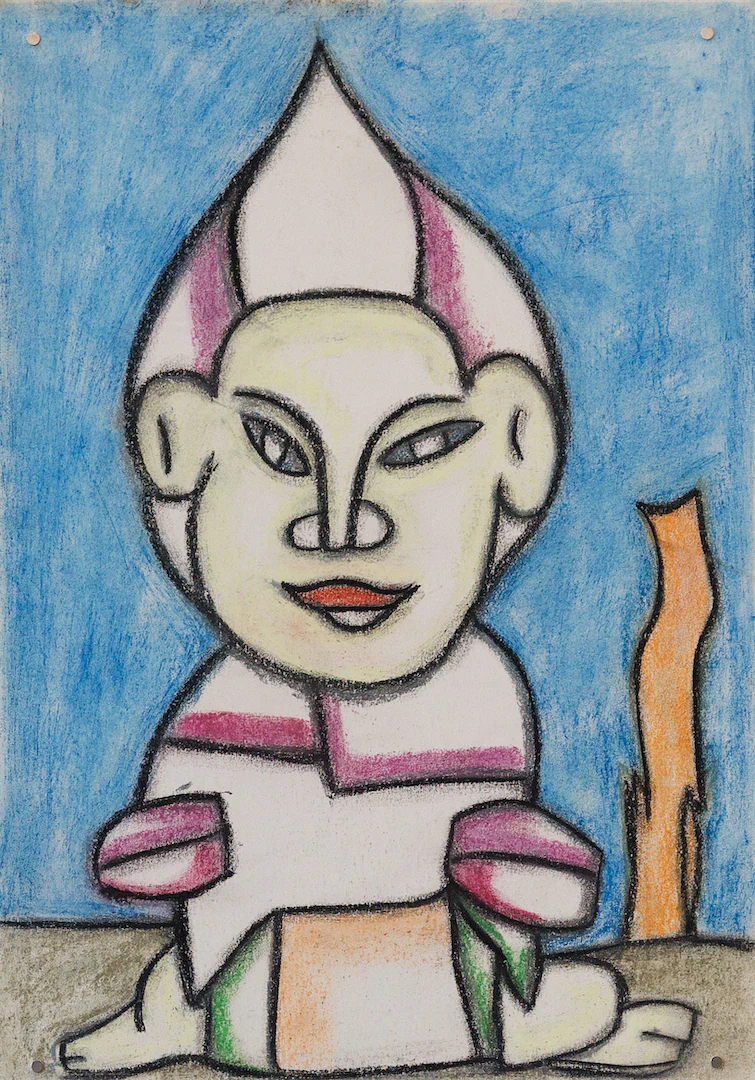
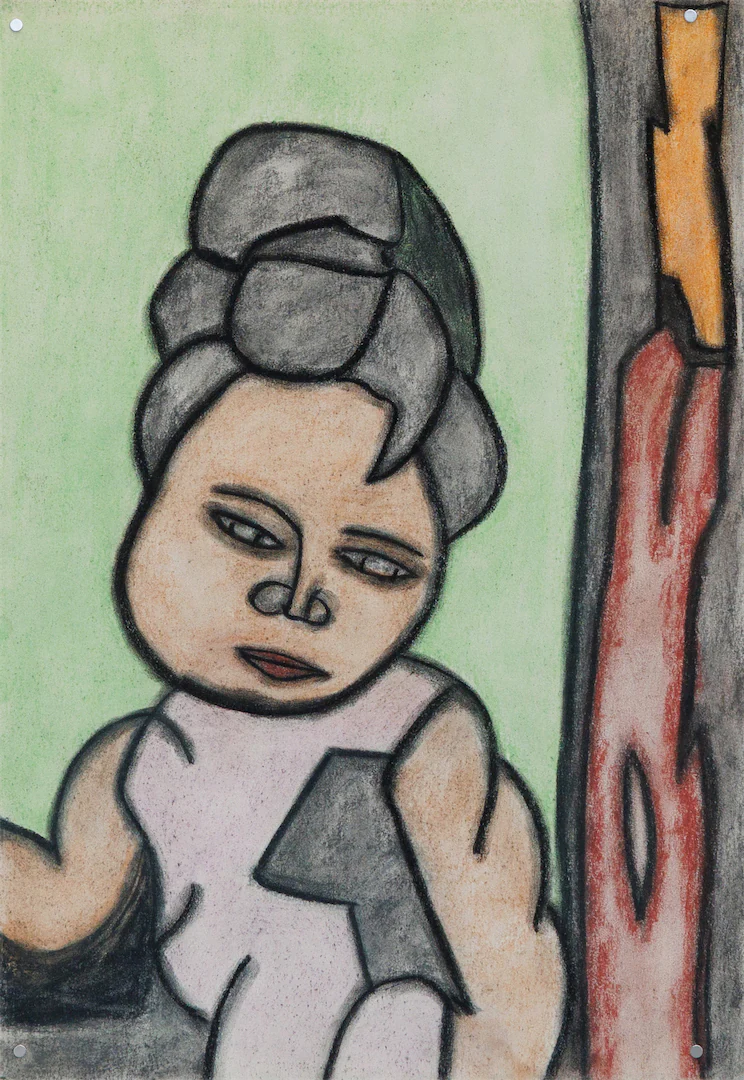
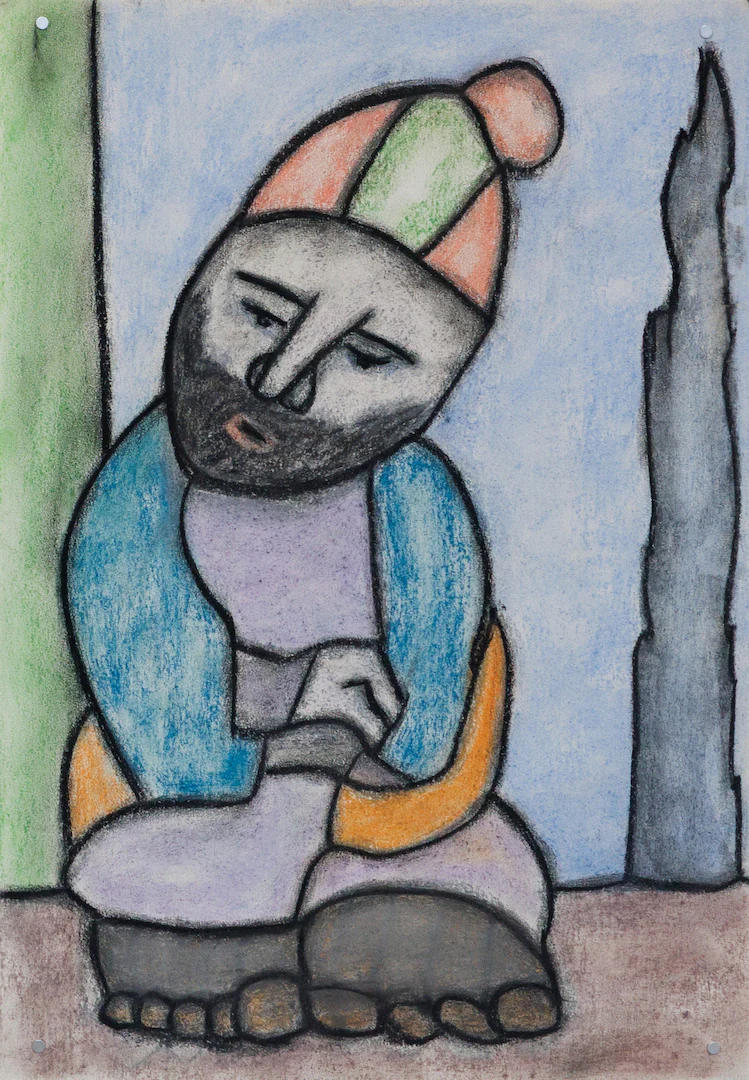
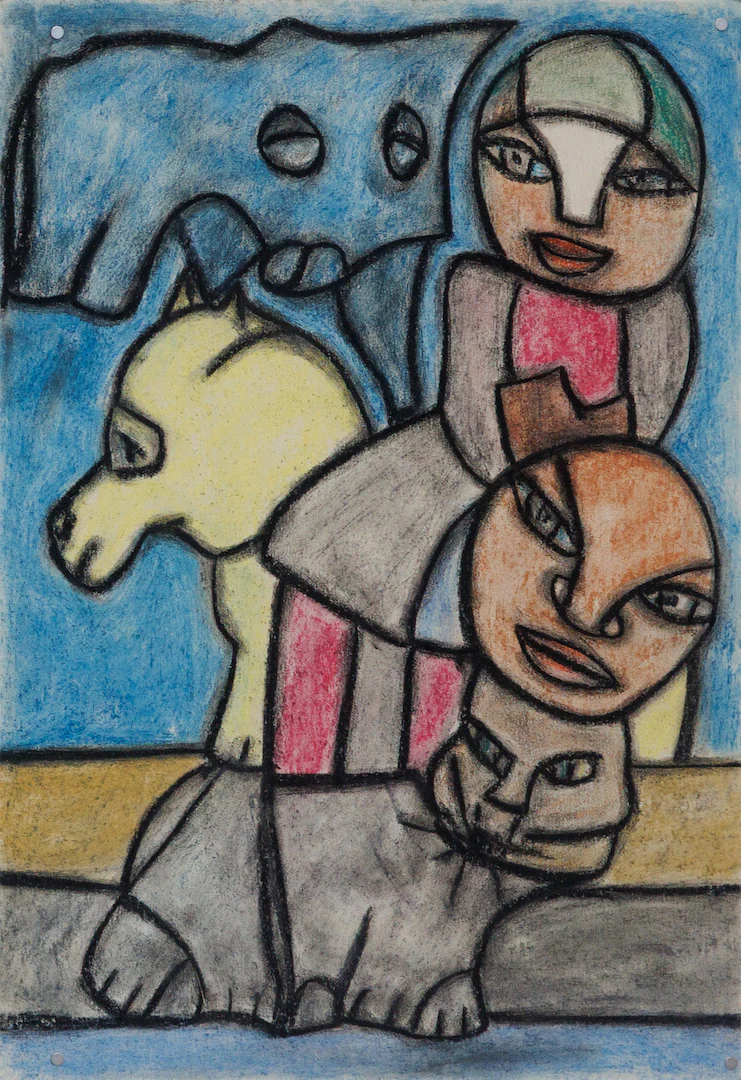
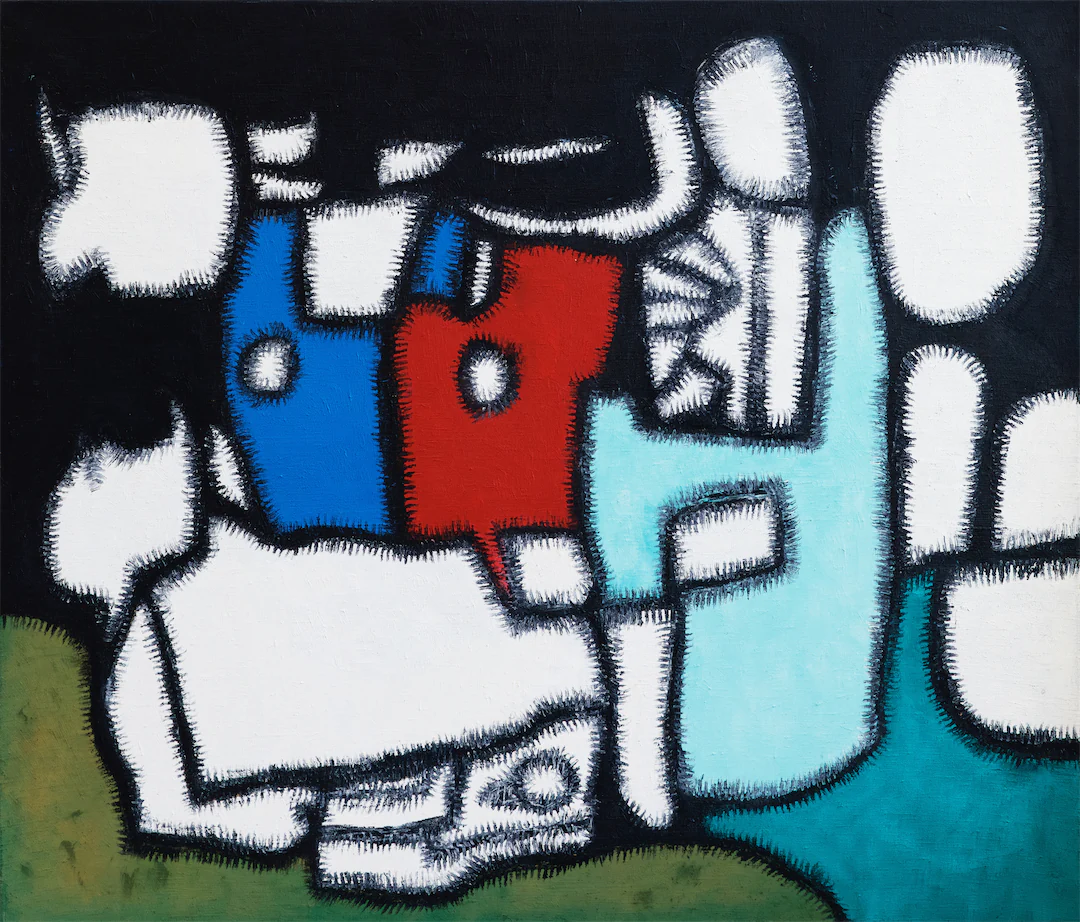
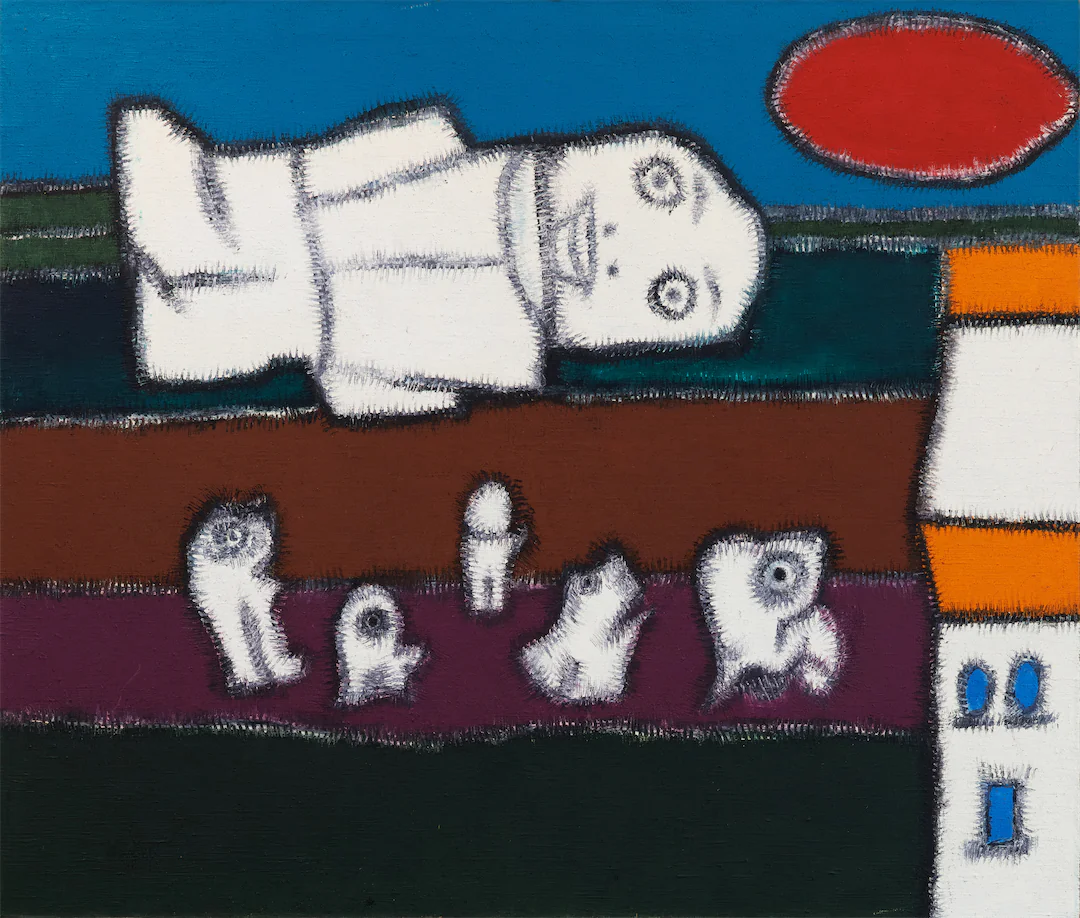
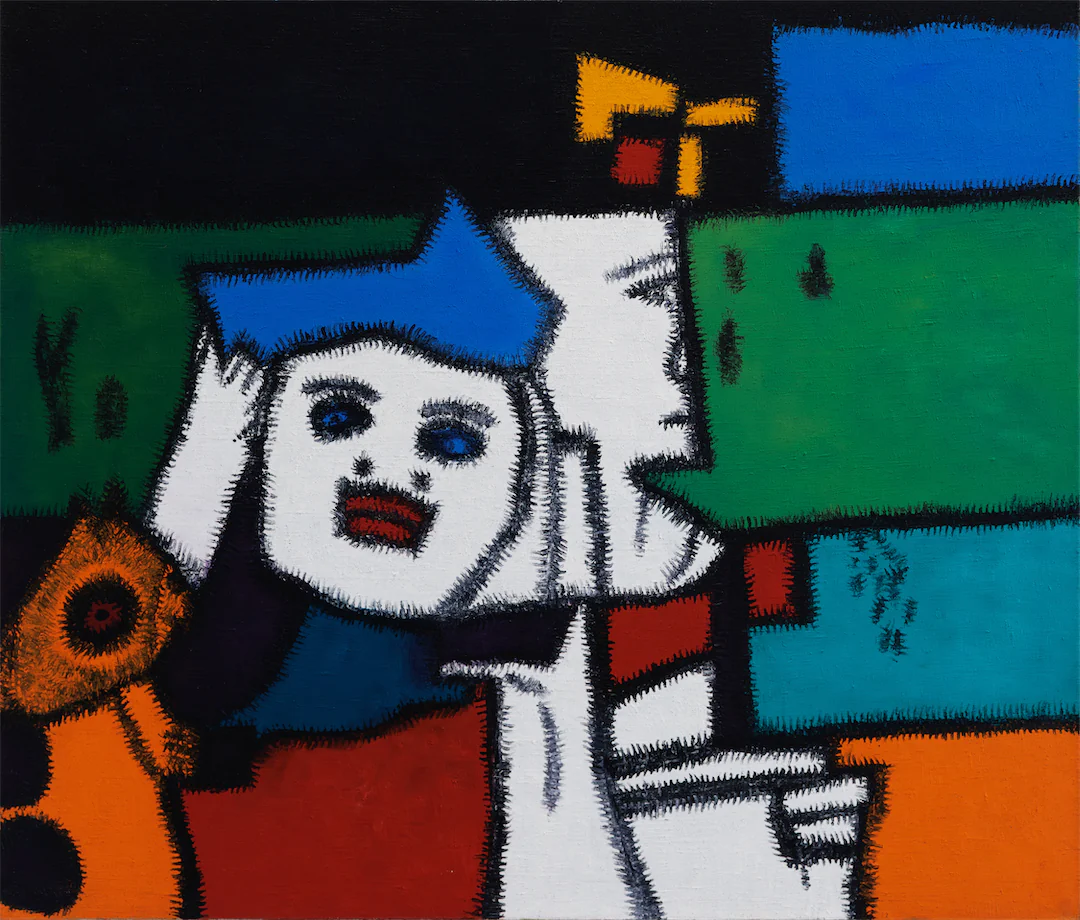
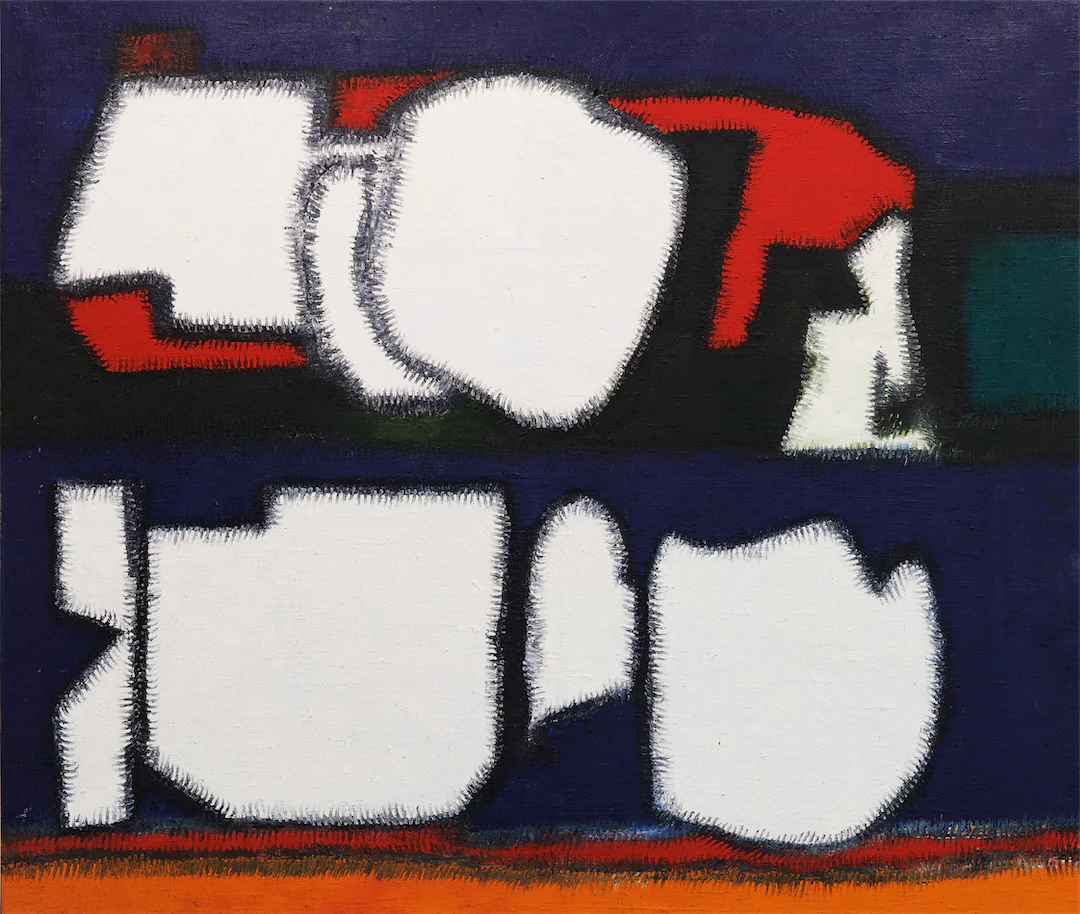
The artist began experimenting with material, form, and color in the 1980s. Seeking to align himself with European and American artists, Koshelokhov creates several dozen works a year. In his works, he uses a variety of materials, from canvas and oil to wooden frames from old furniture. In 1986, he began creating the project "Puppets of the World Walk the World," measuring 23 meters in length and 5 meters in height. He then created a second monumental project, "Holy Sinners," measuring 123 meters in length and 3 meters in height.
Since 1979, he has been a member of the Leningrad Society of Experimental Fine Arts (TEII). In the early 1980s, he created approximately 50 wooden sculptures, and a year later, he experimented with spatial compositions made of plastic. In the 1990s, he worked on projects both abroad and in Russia.
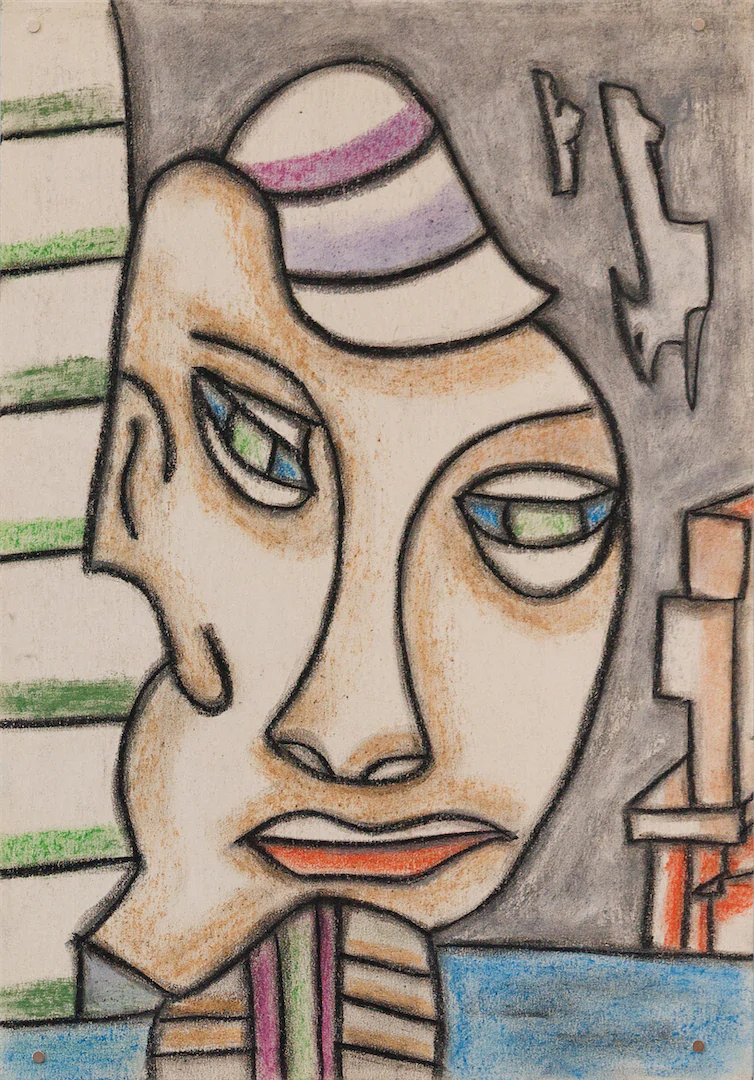
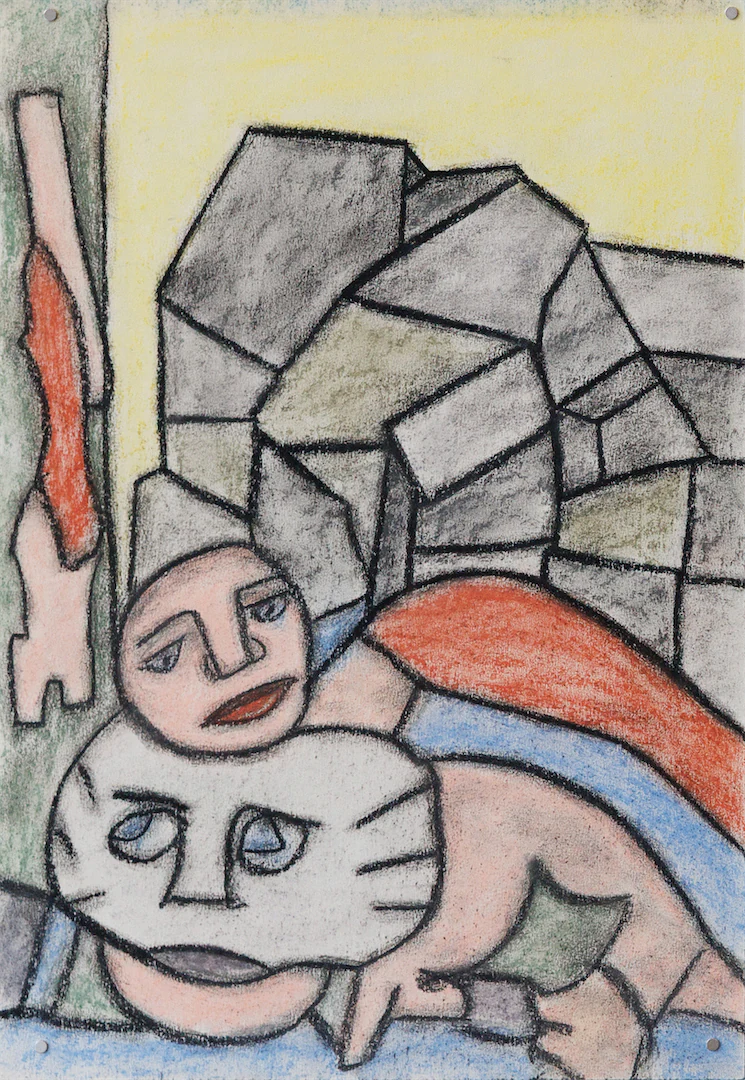
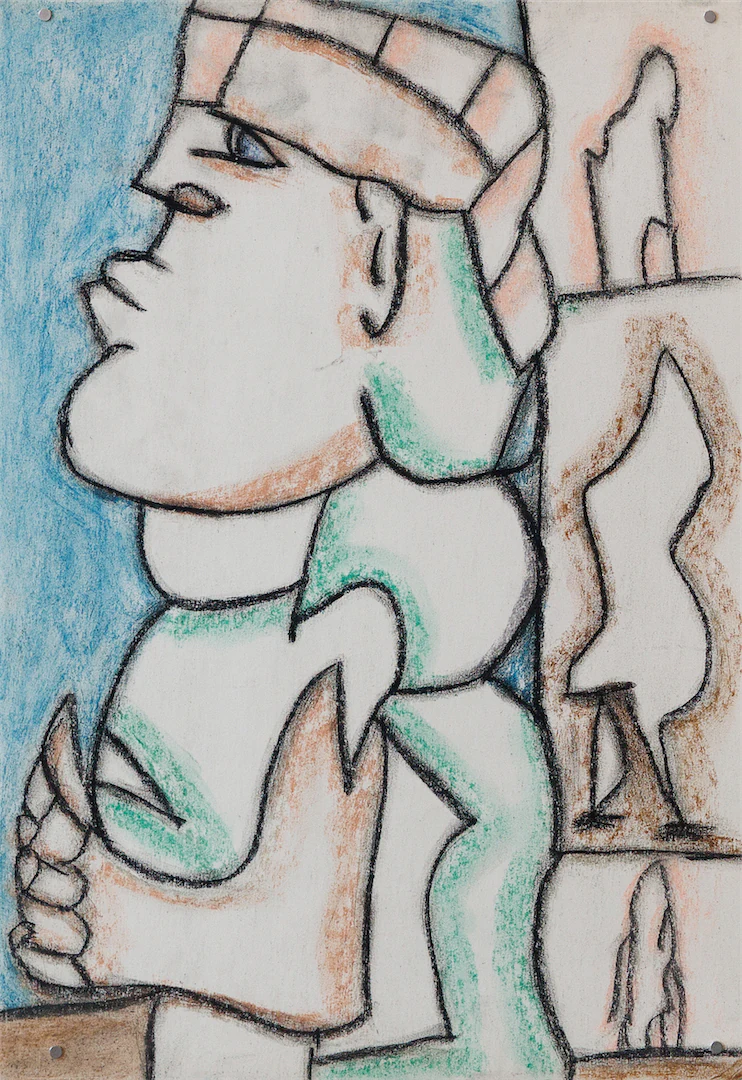
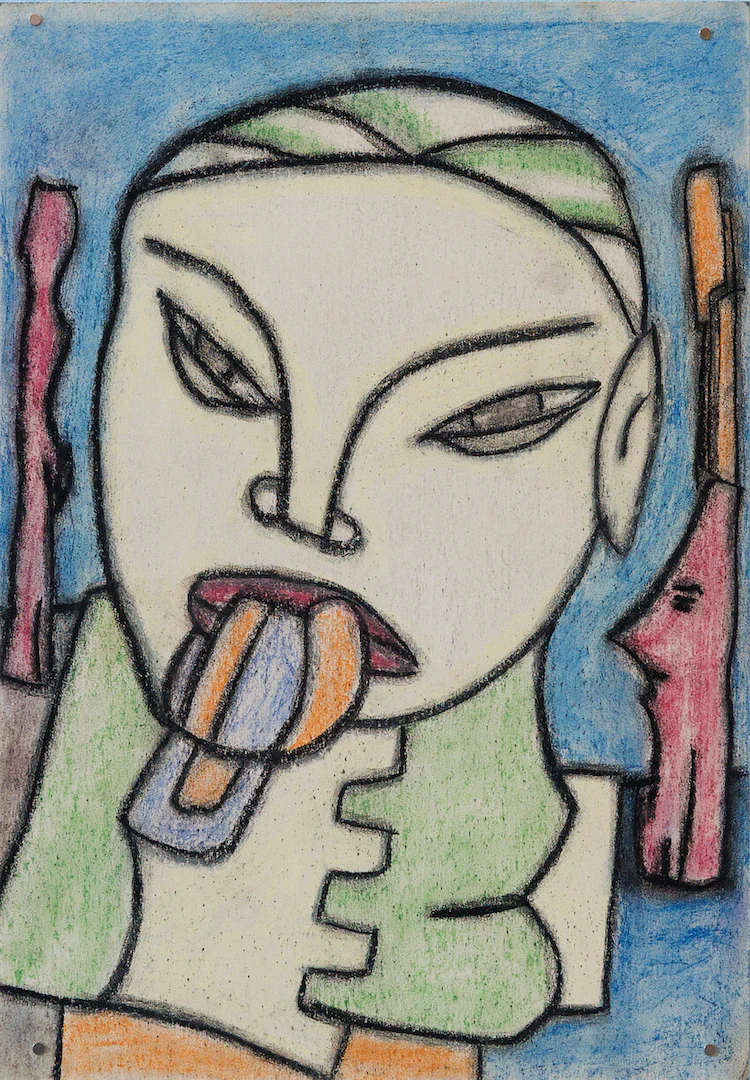
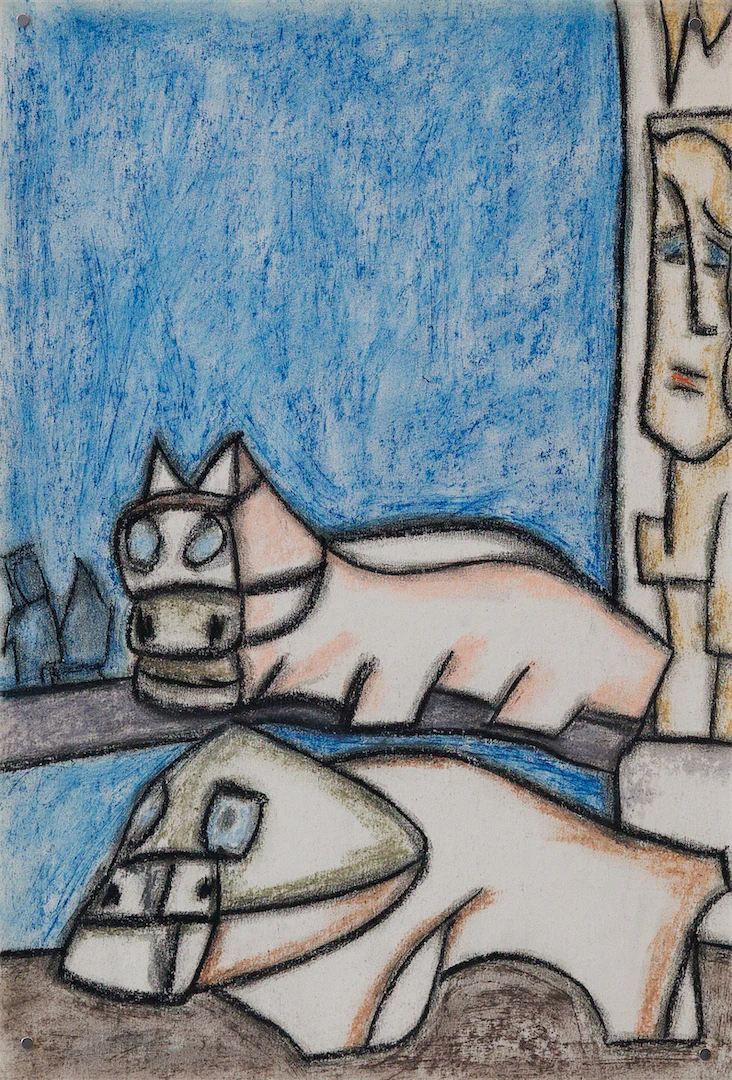
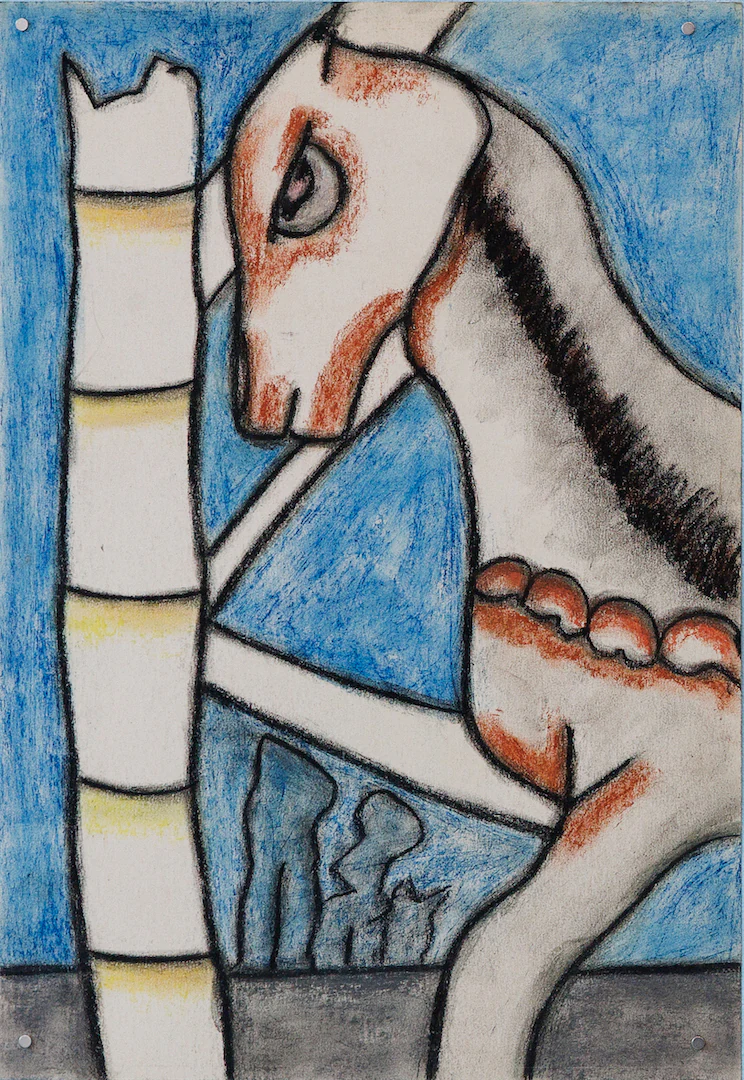
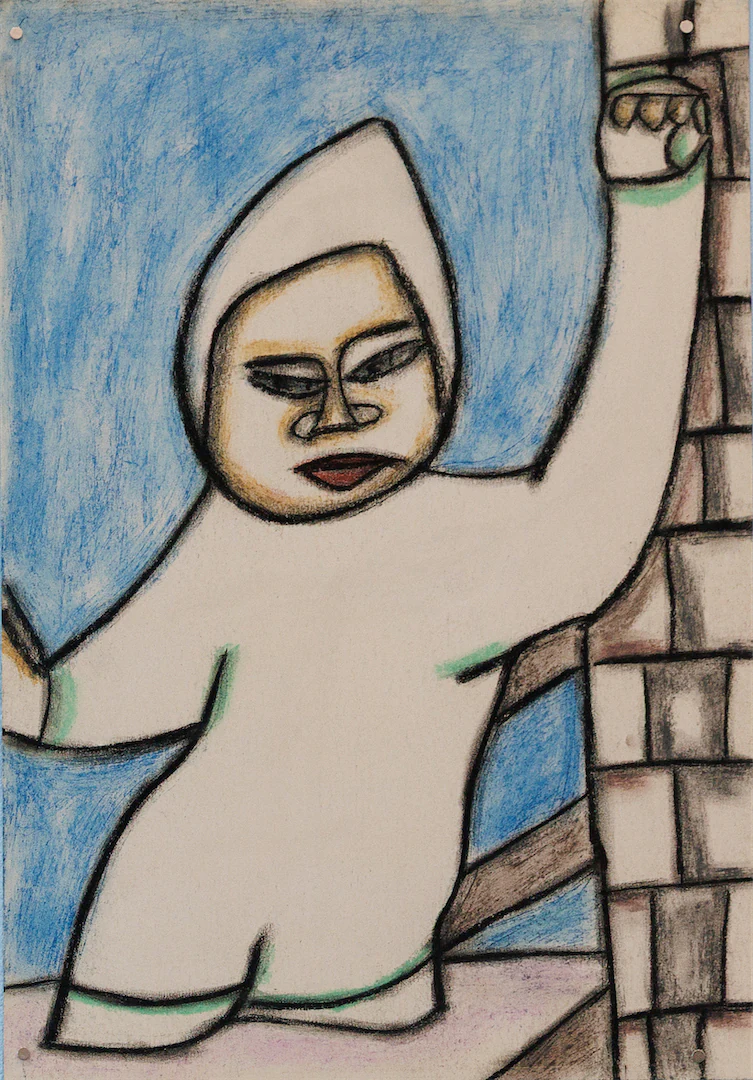
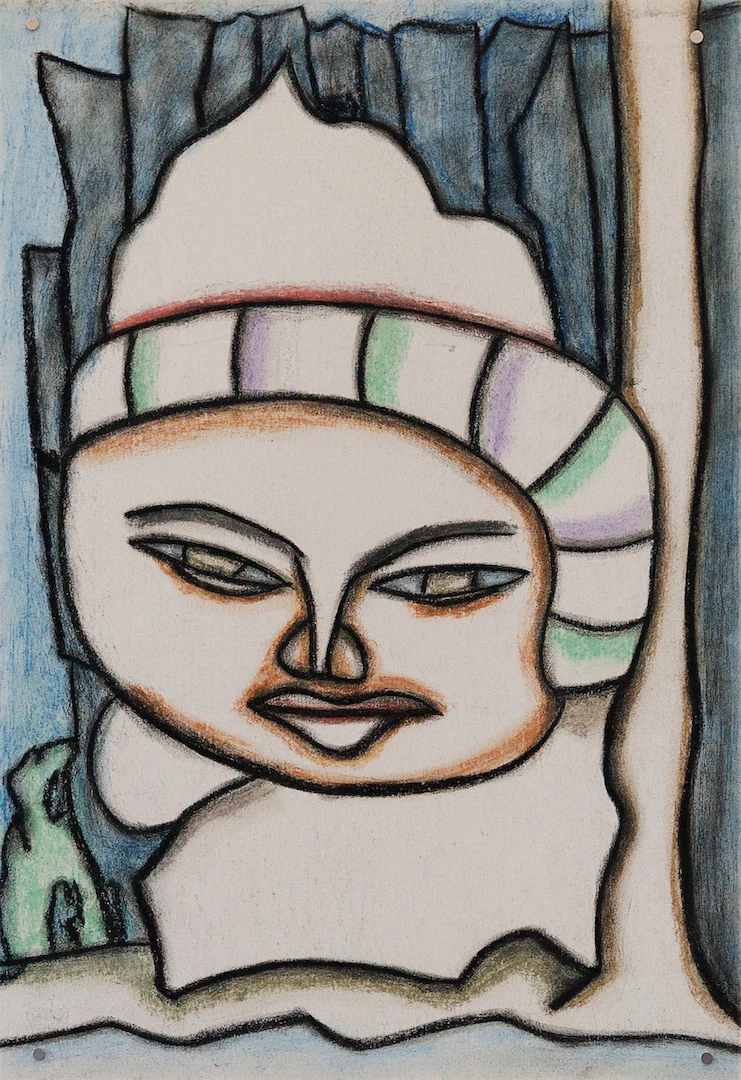
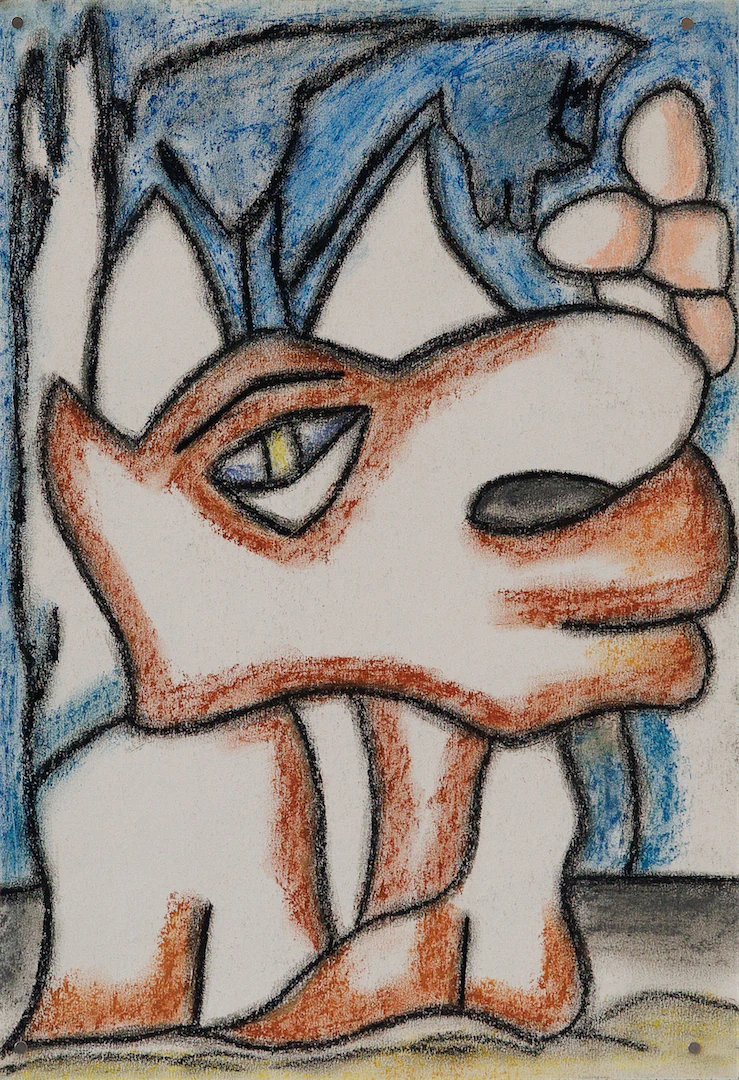
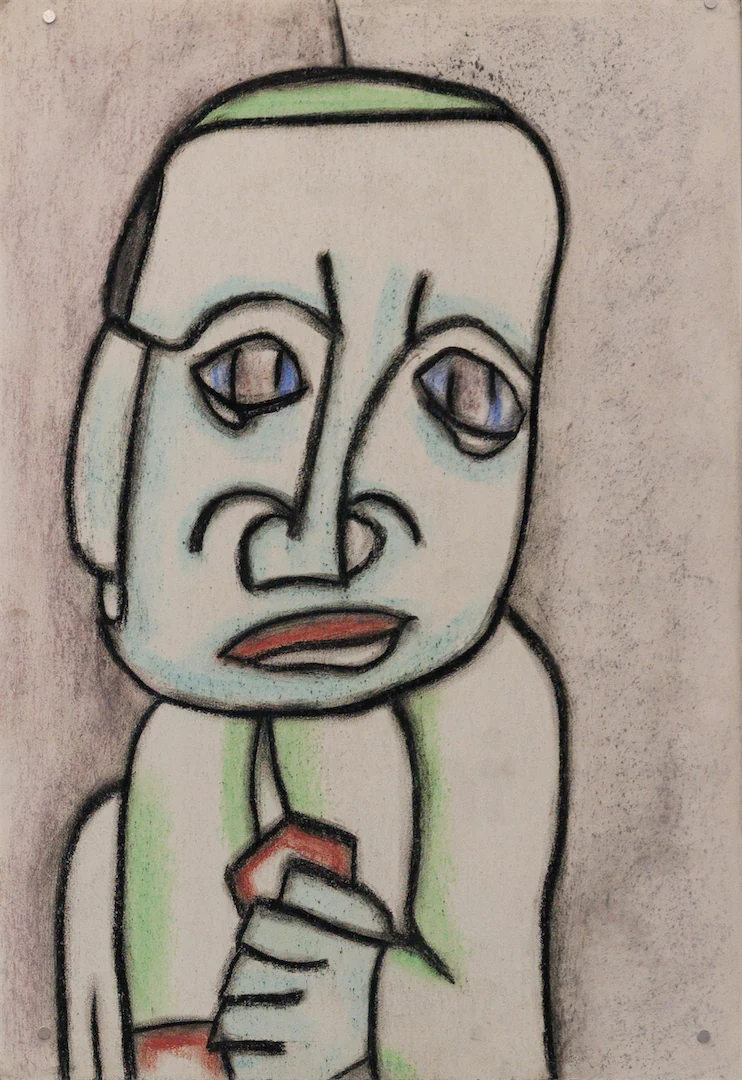
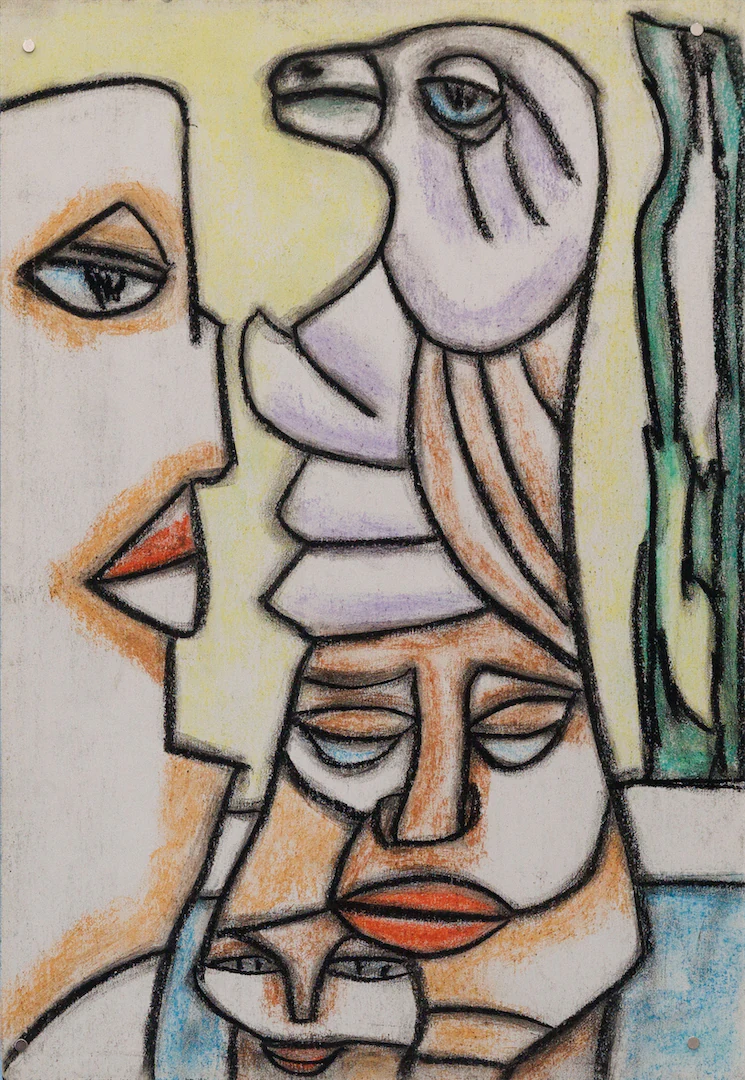
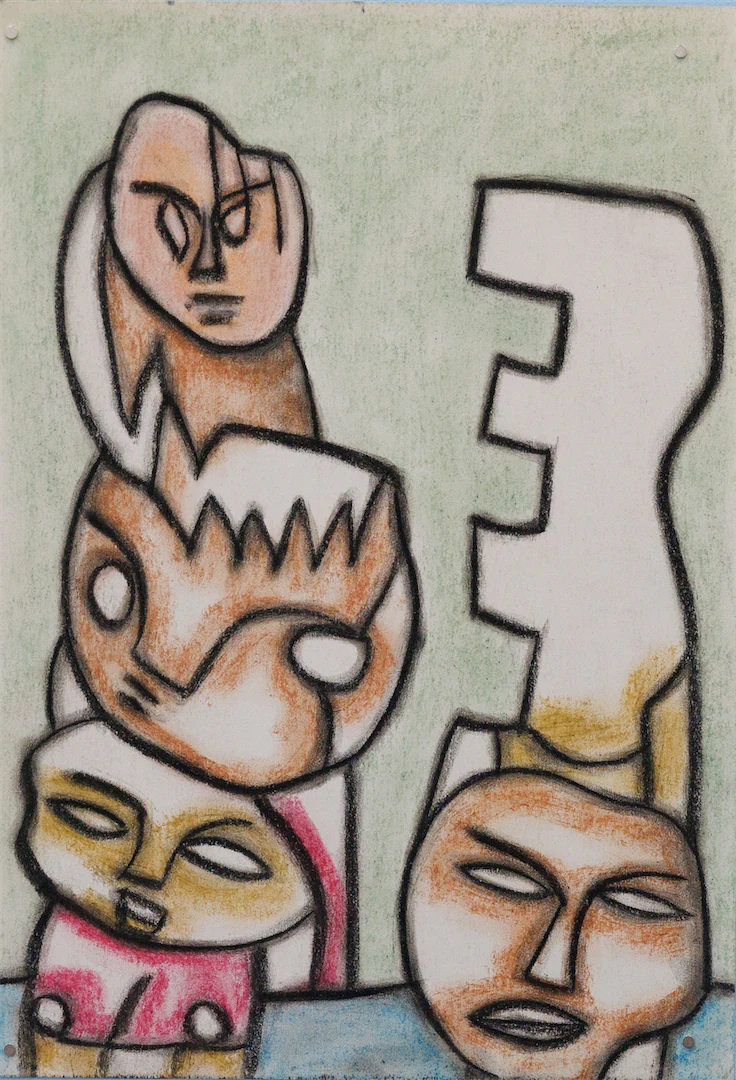
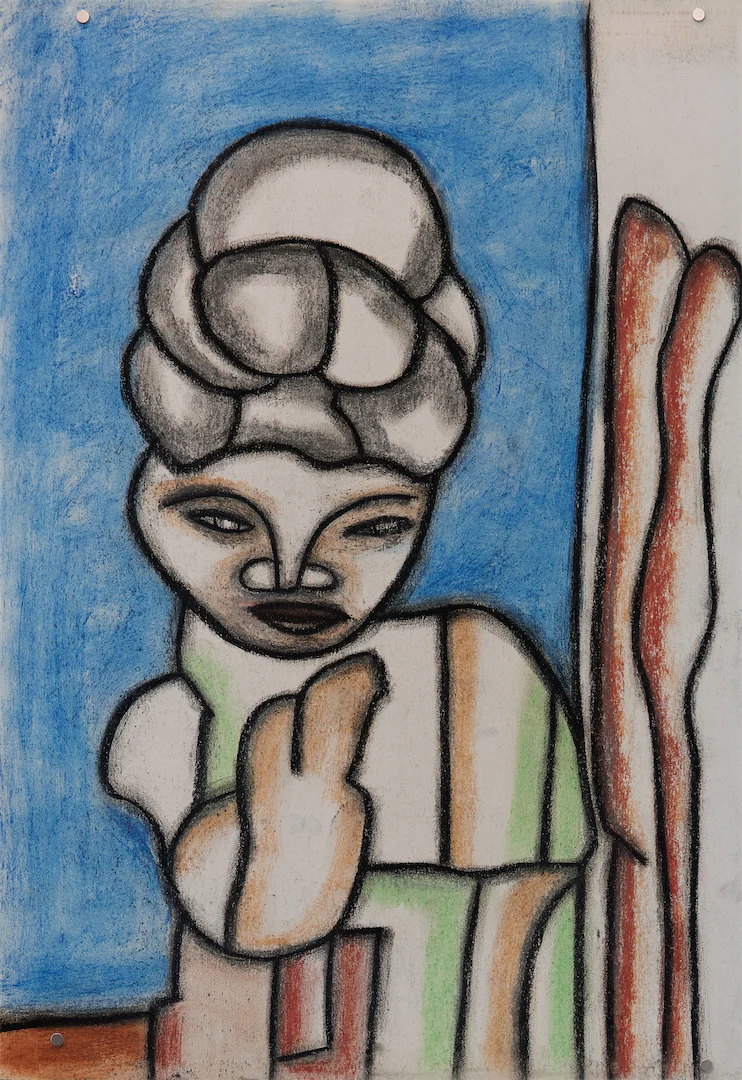
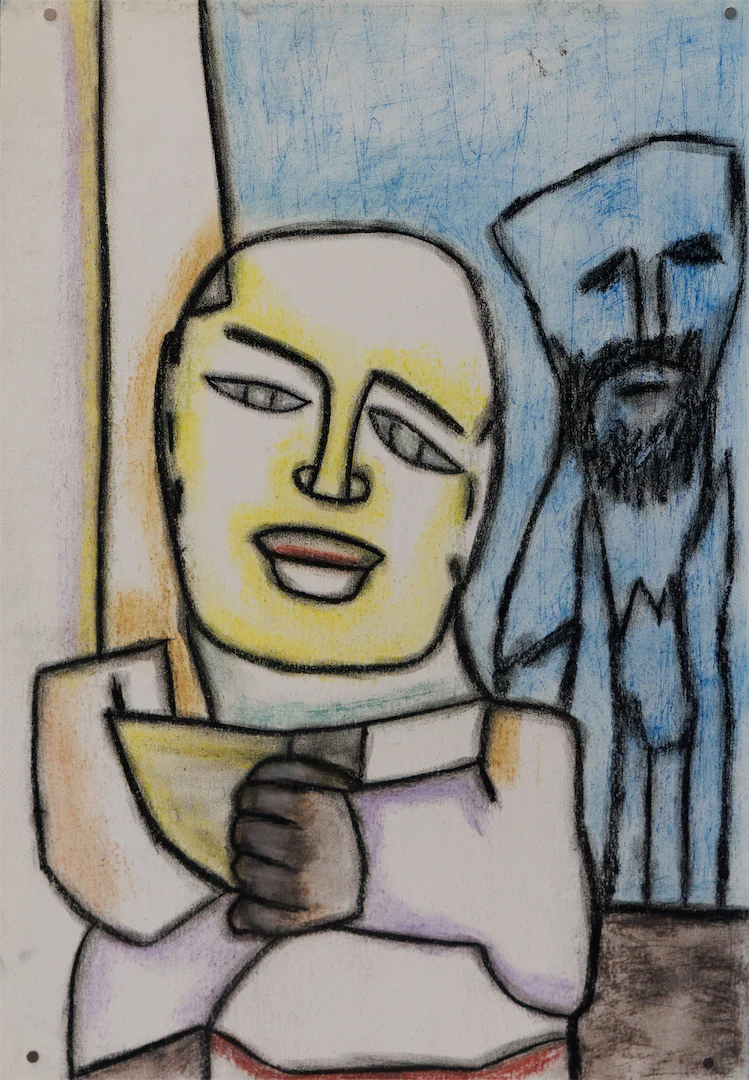
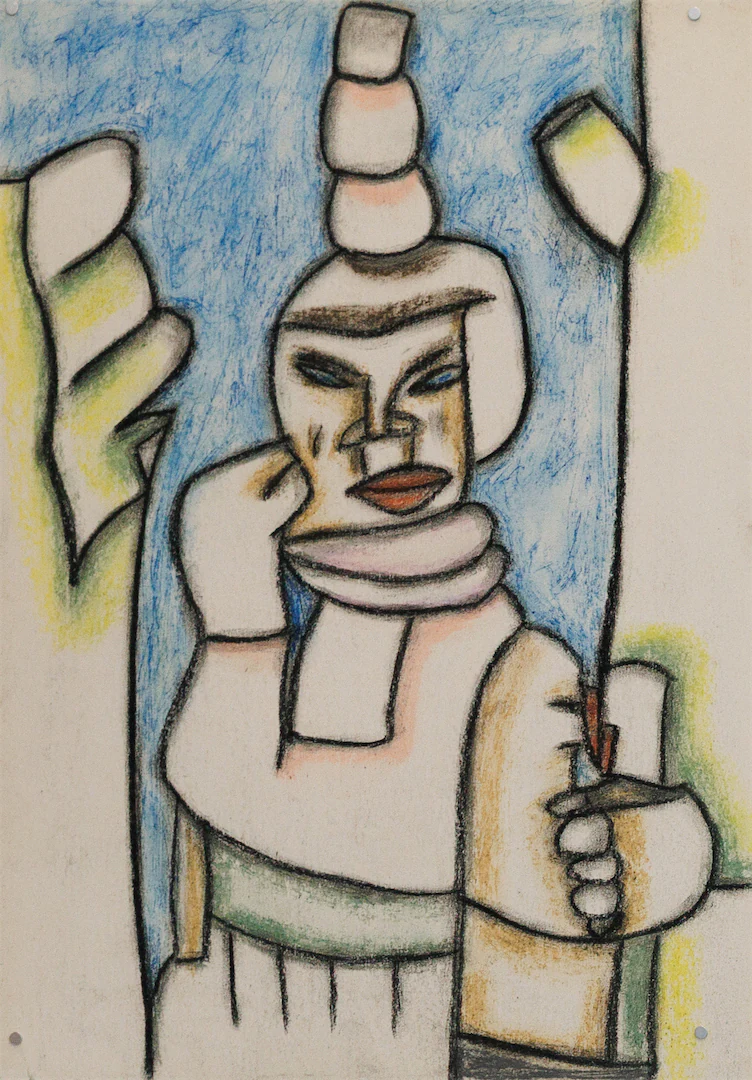
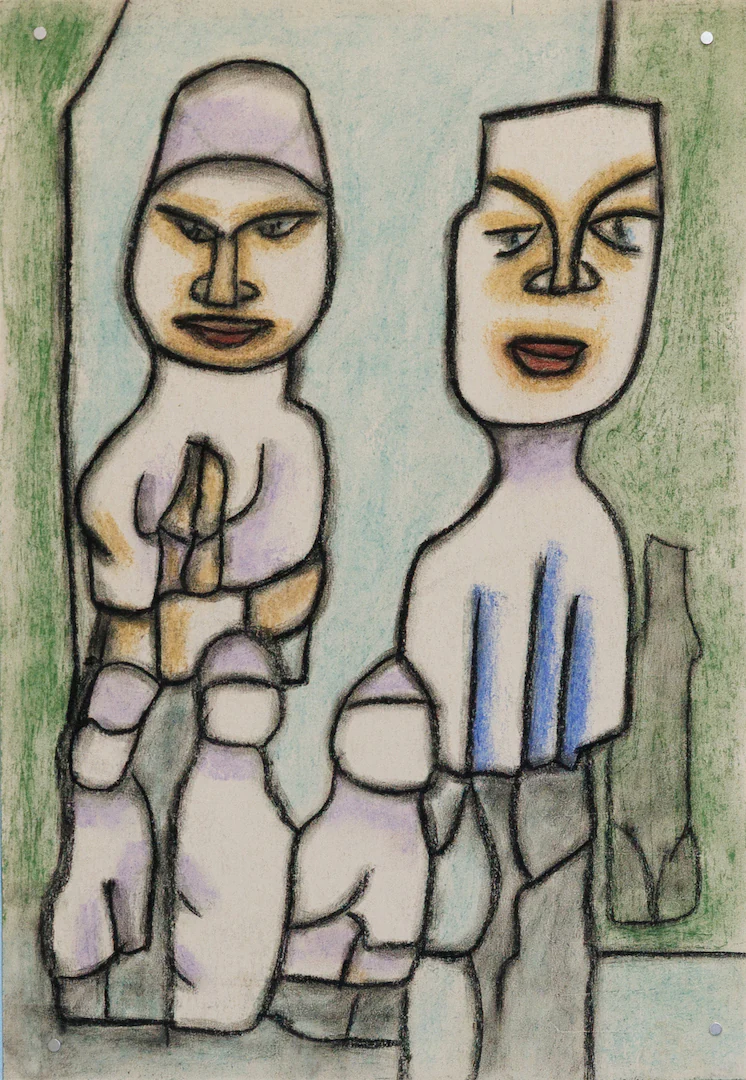
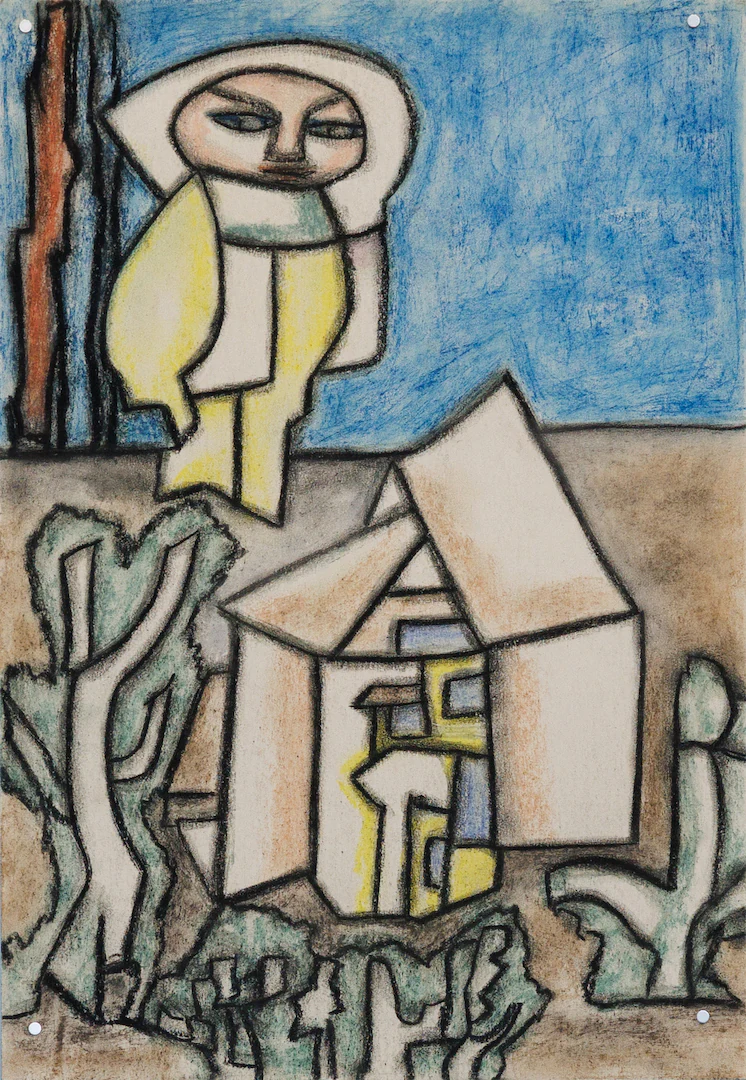
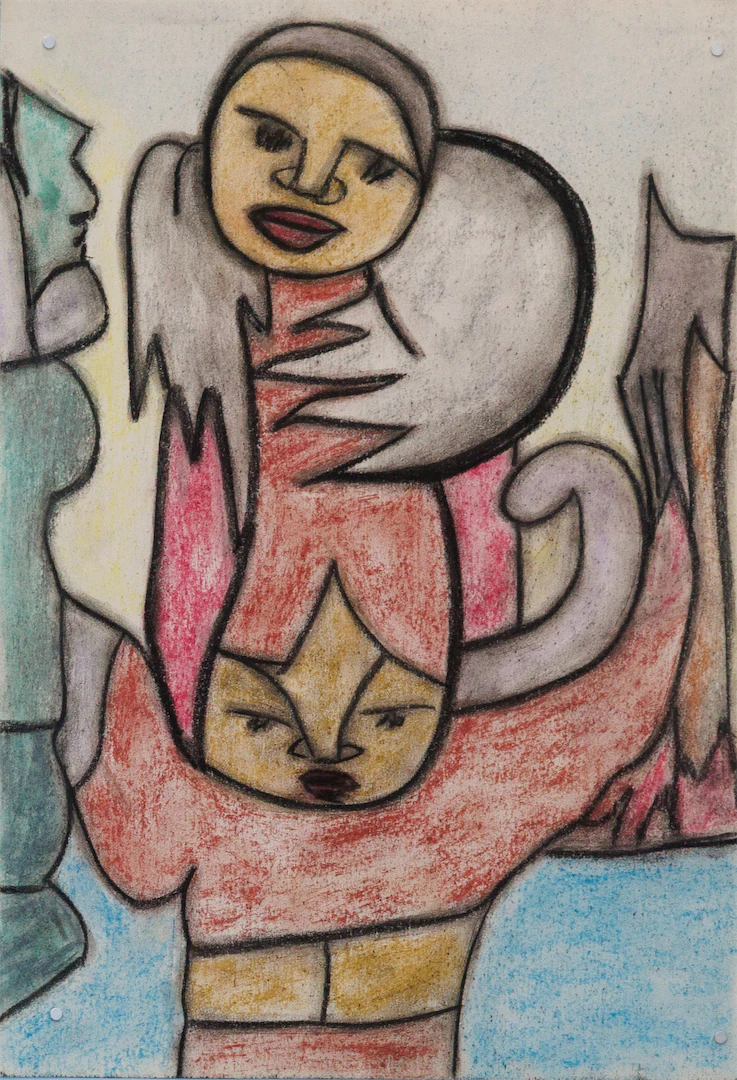
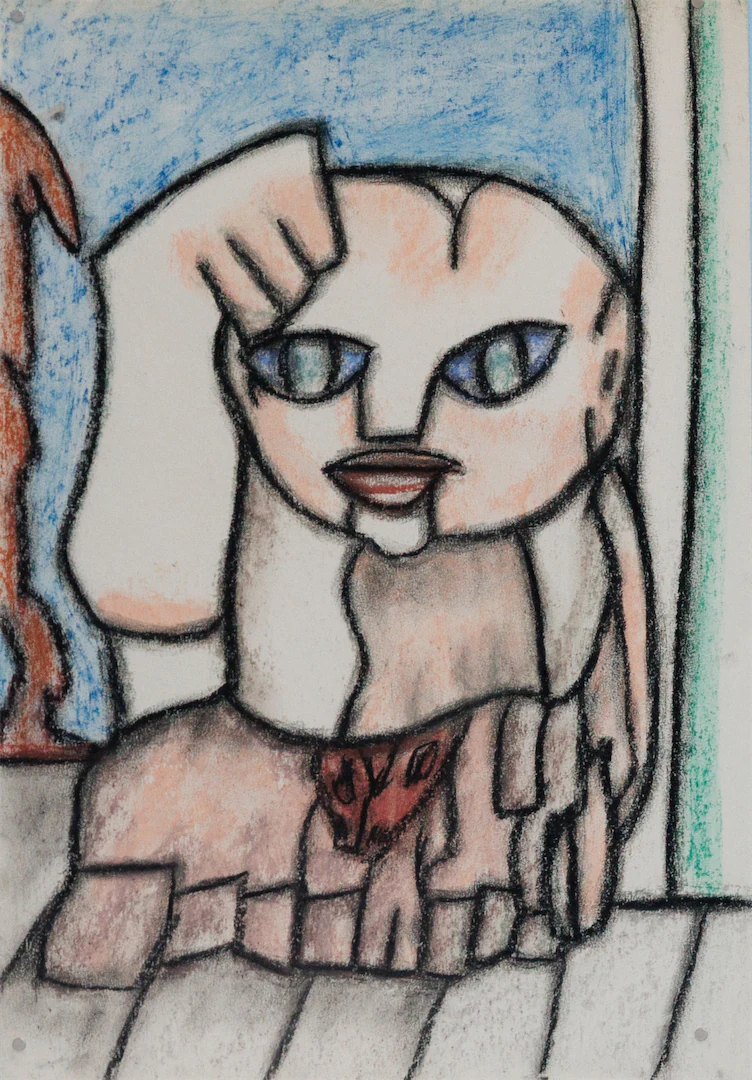
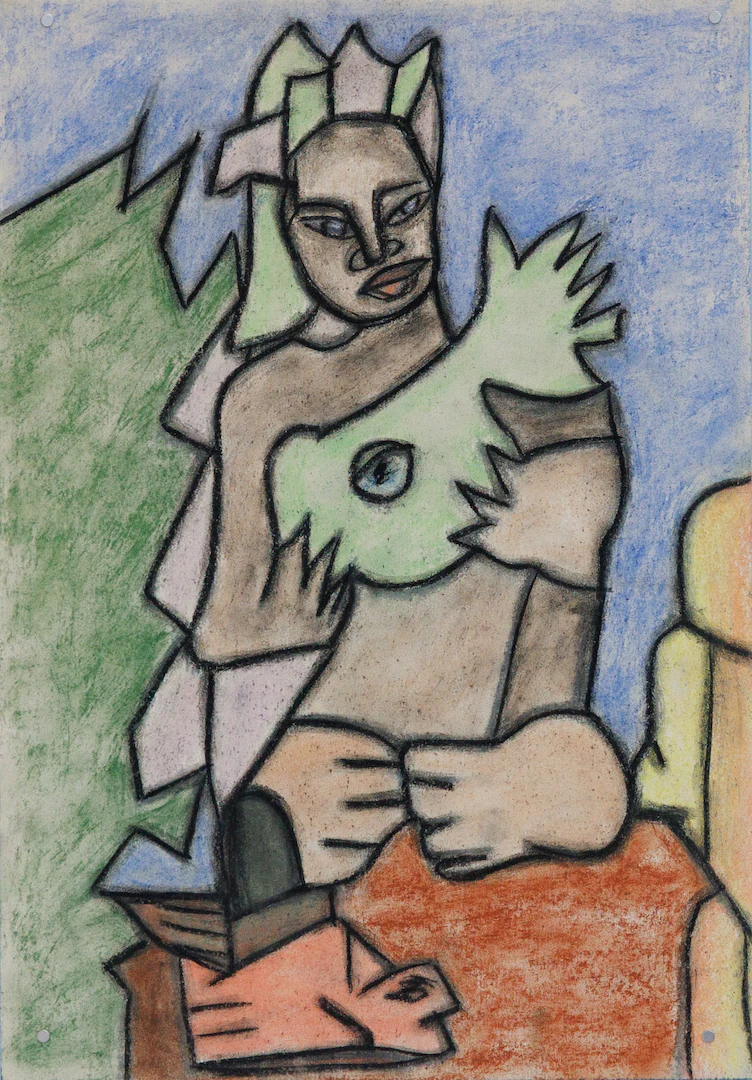
Since 1992, he has been working on the project "Two Highways"—a visual journey from southern Europe to Alaska, then to America and back to Europe, which the artist divides into several stages:
1. 1,200 black-and-white sketches;
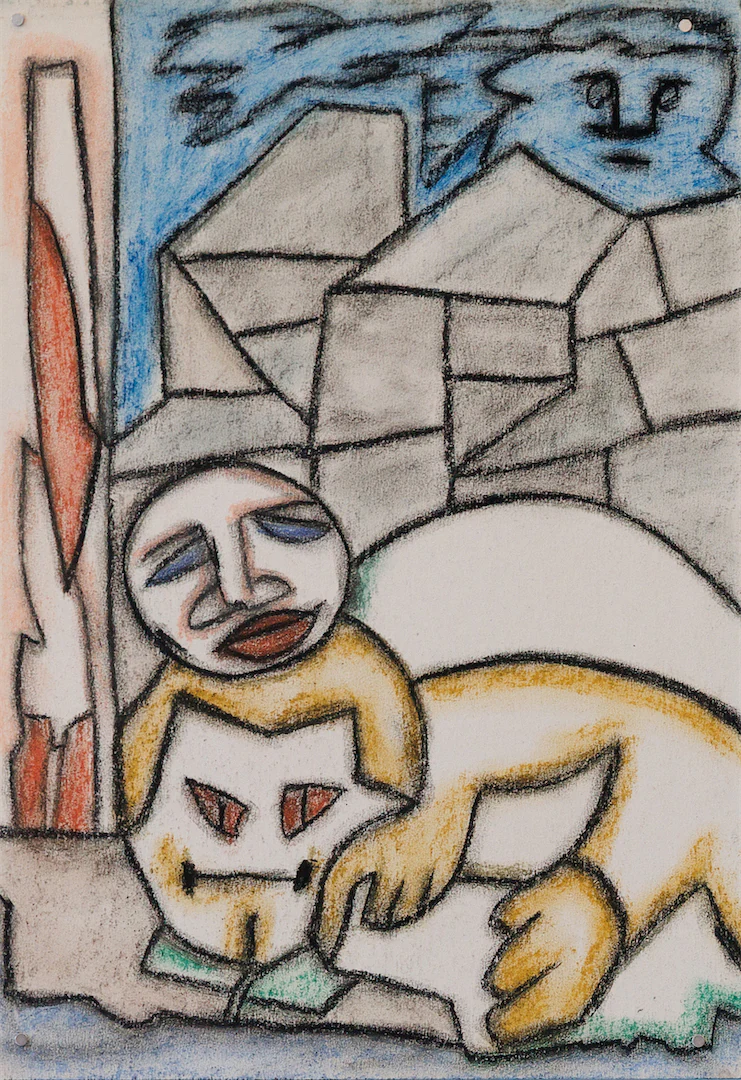
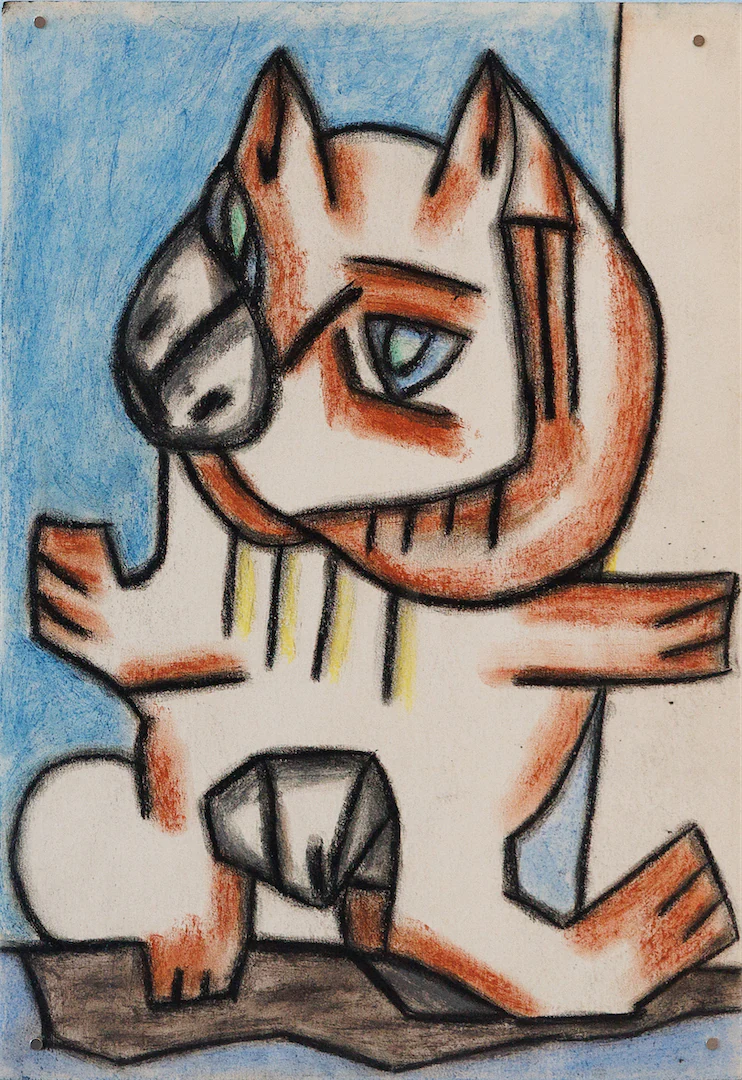
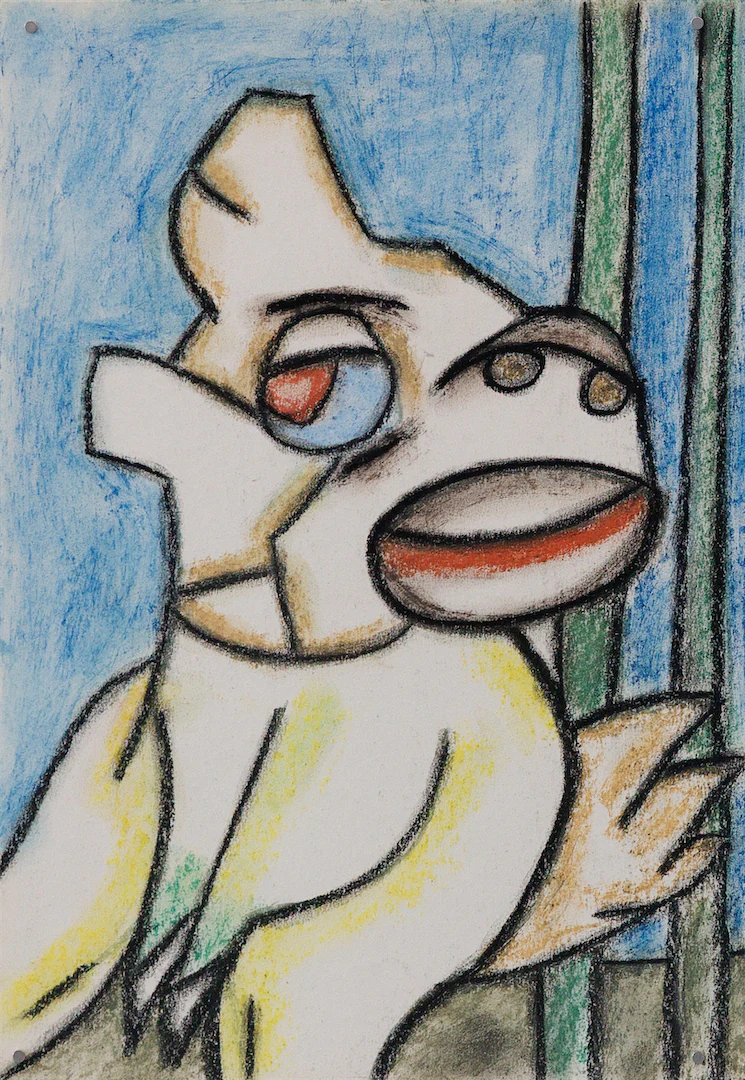
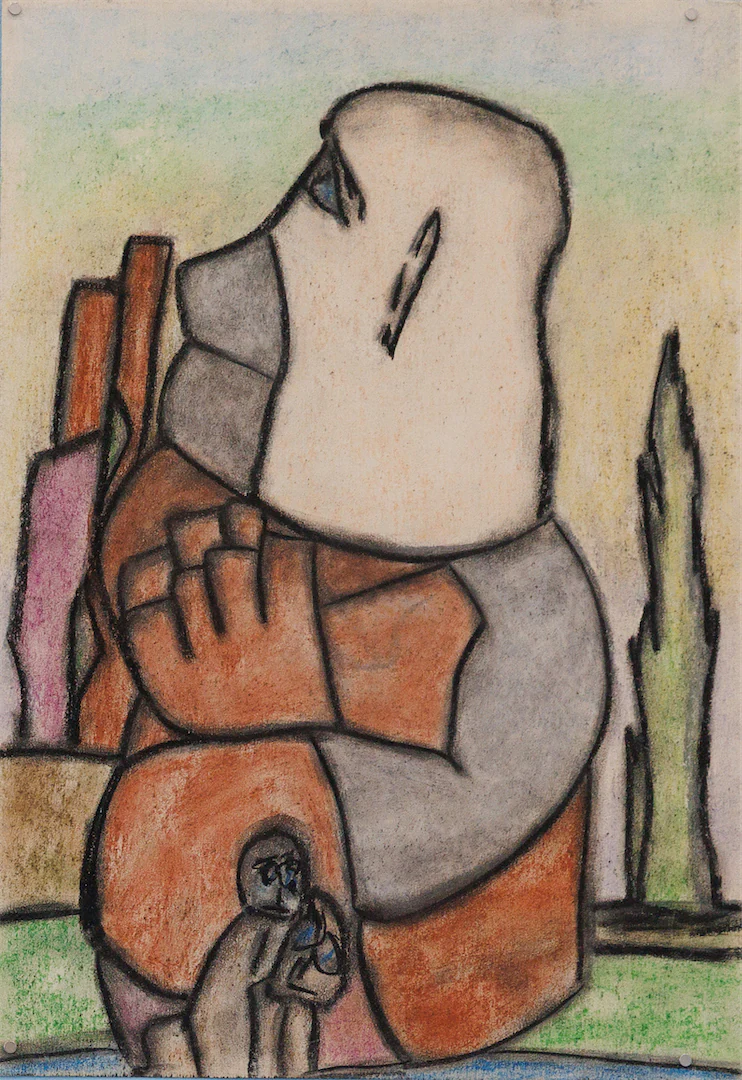
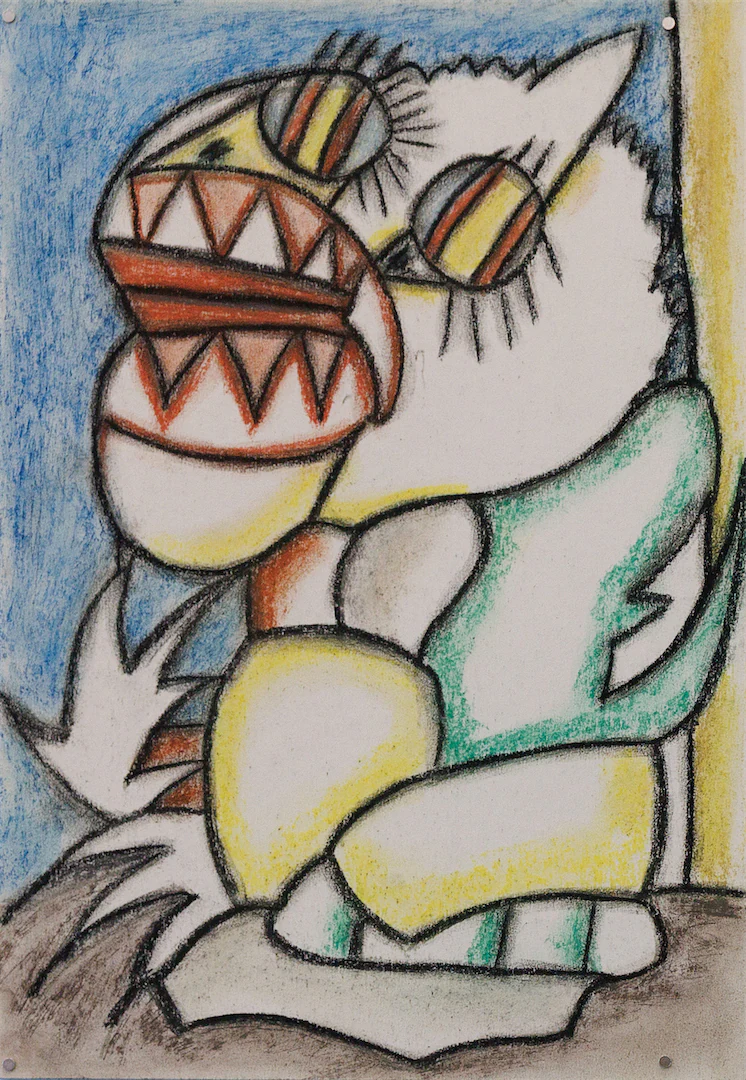
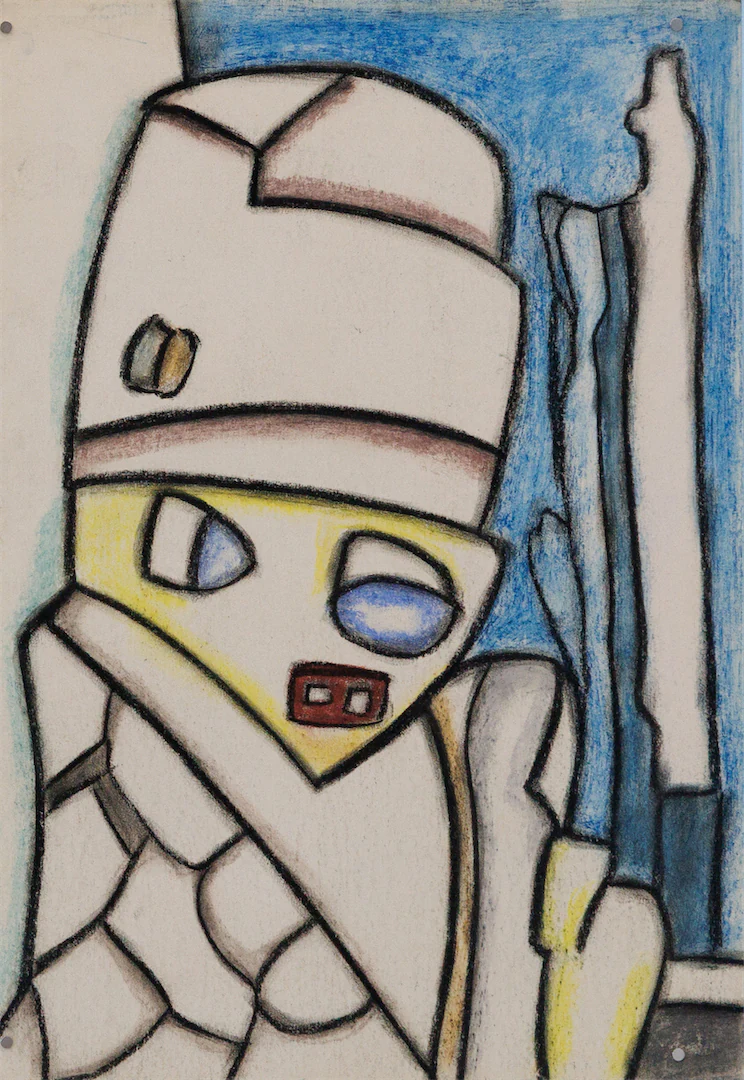
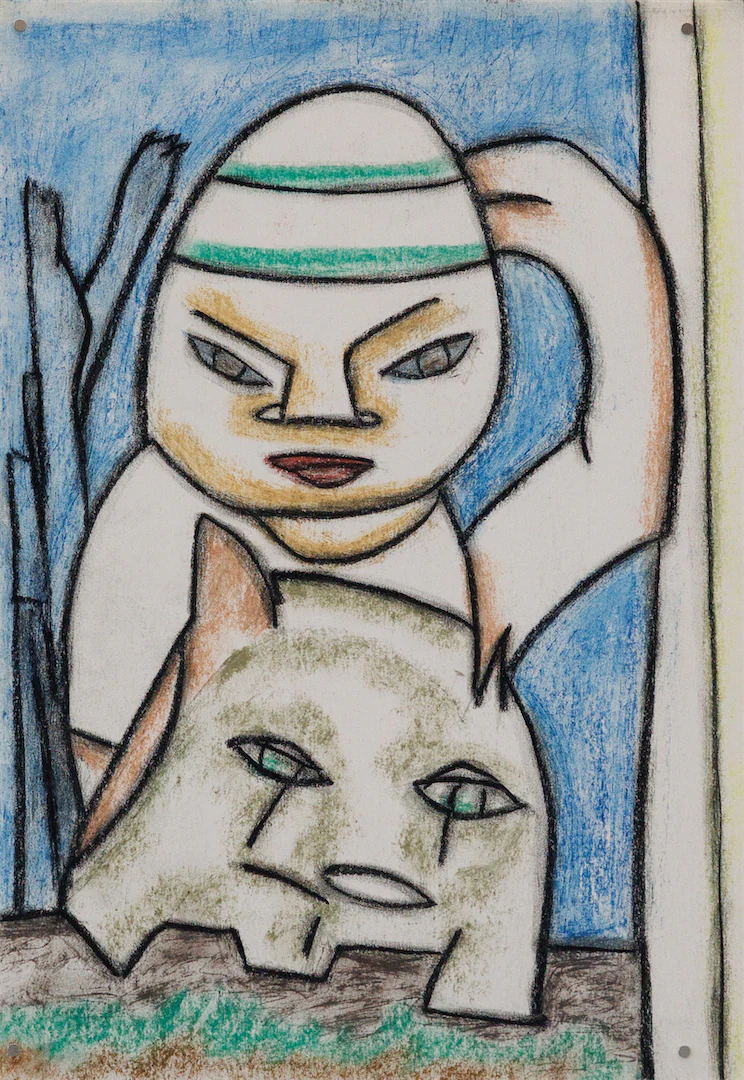
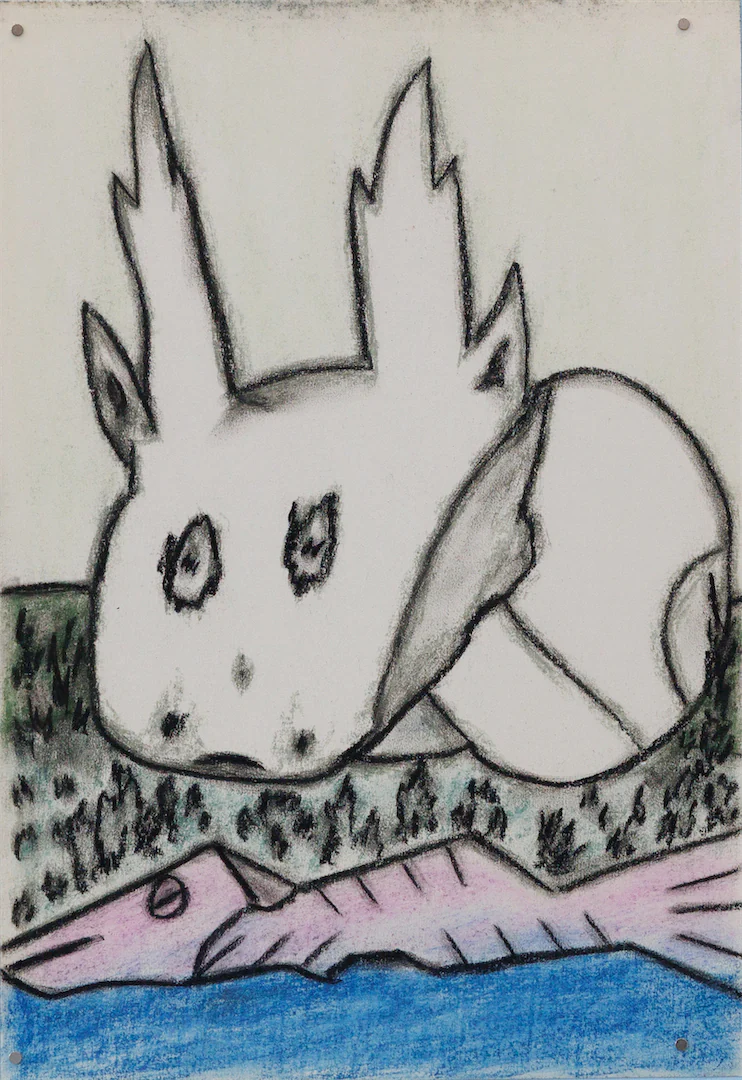
2. 6,000 pastels (5 mise-en-scènes for each sketch);
3. 2,500 digital drawings, united in the Ex Machina series;
4. 5,000 square meters of painting.
© St. Petersburg, 2005, all rights reserved