march
2017
march
2017
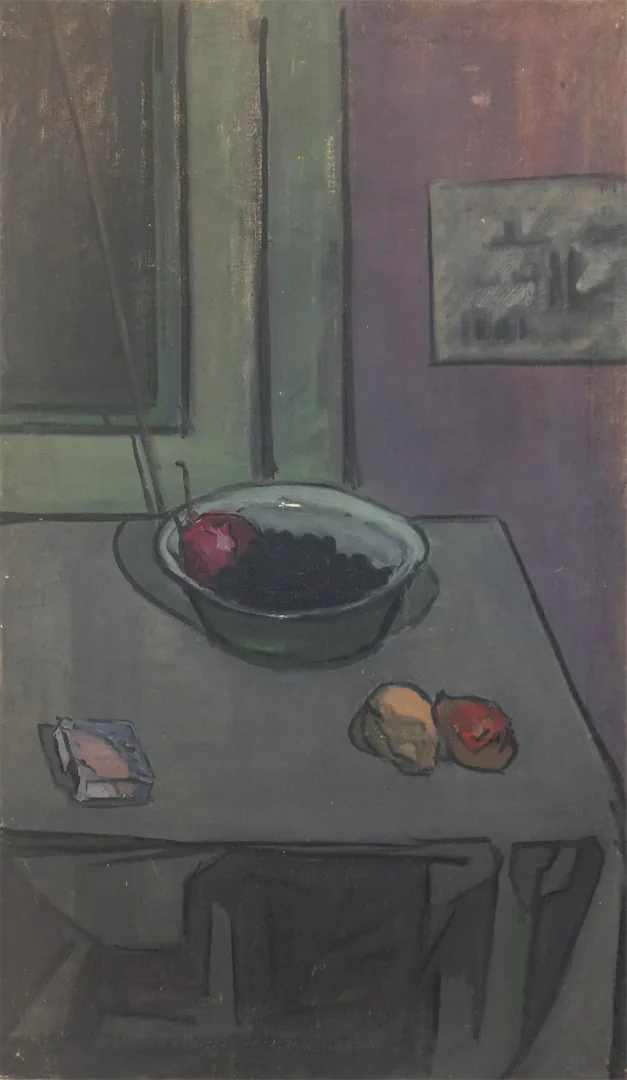
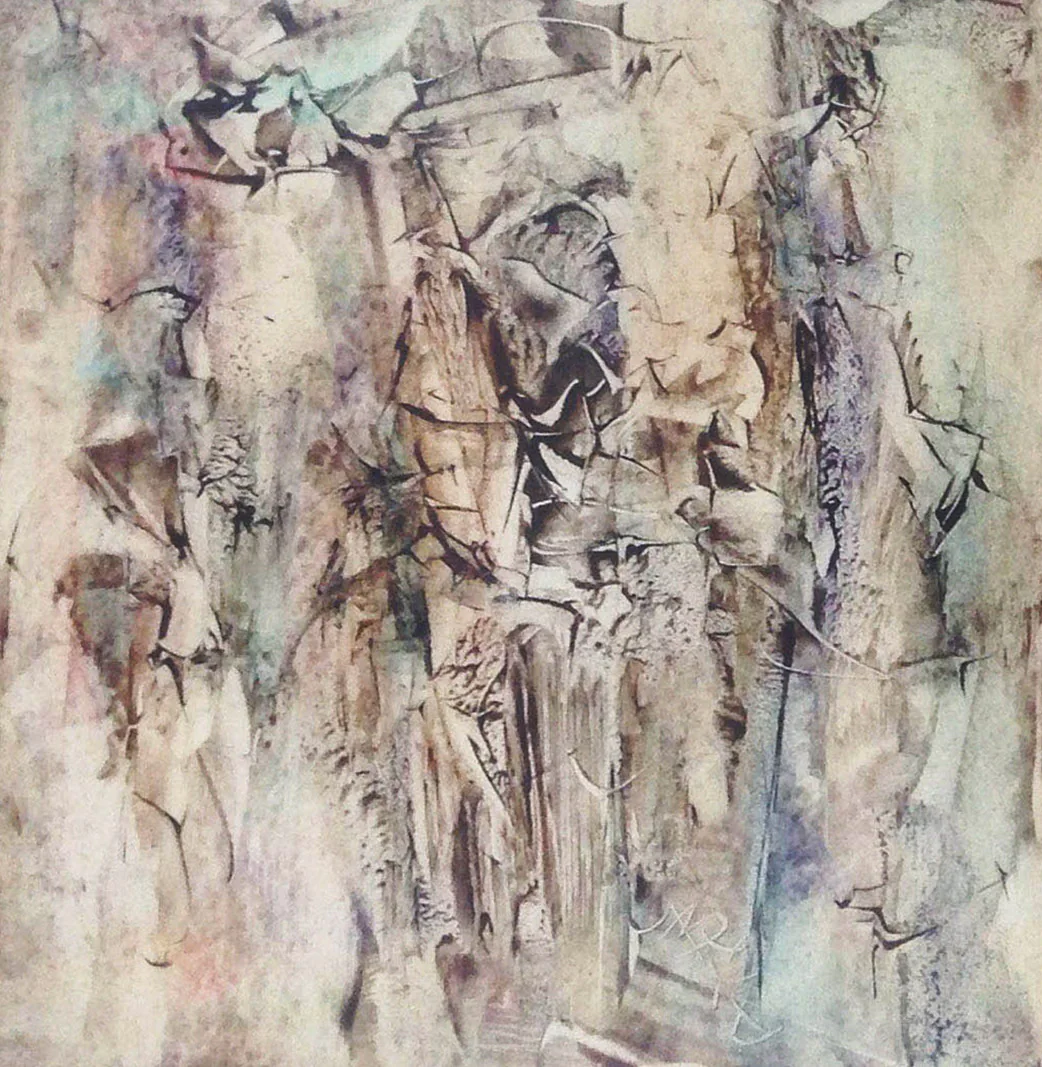
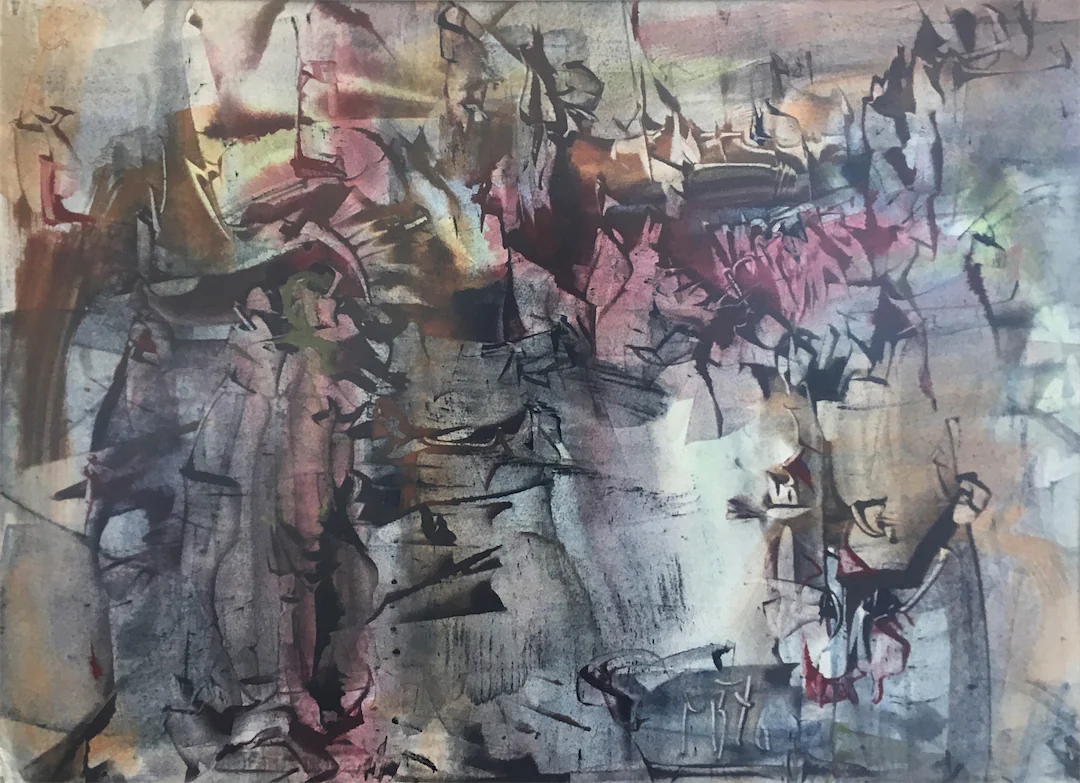
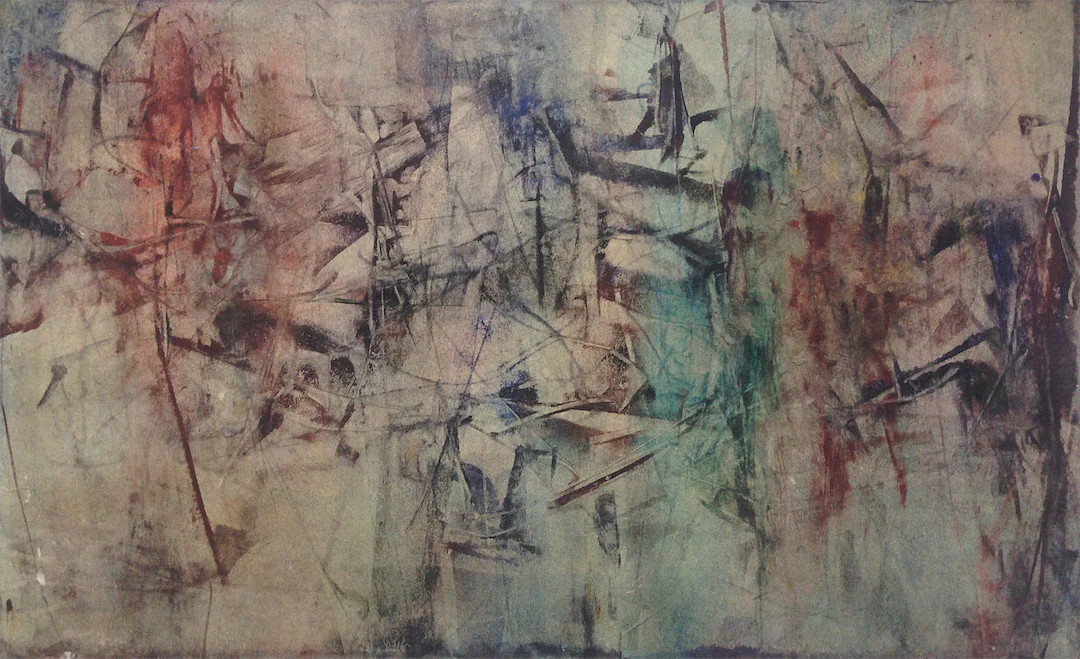
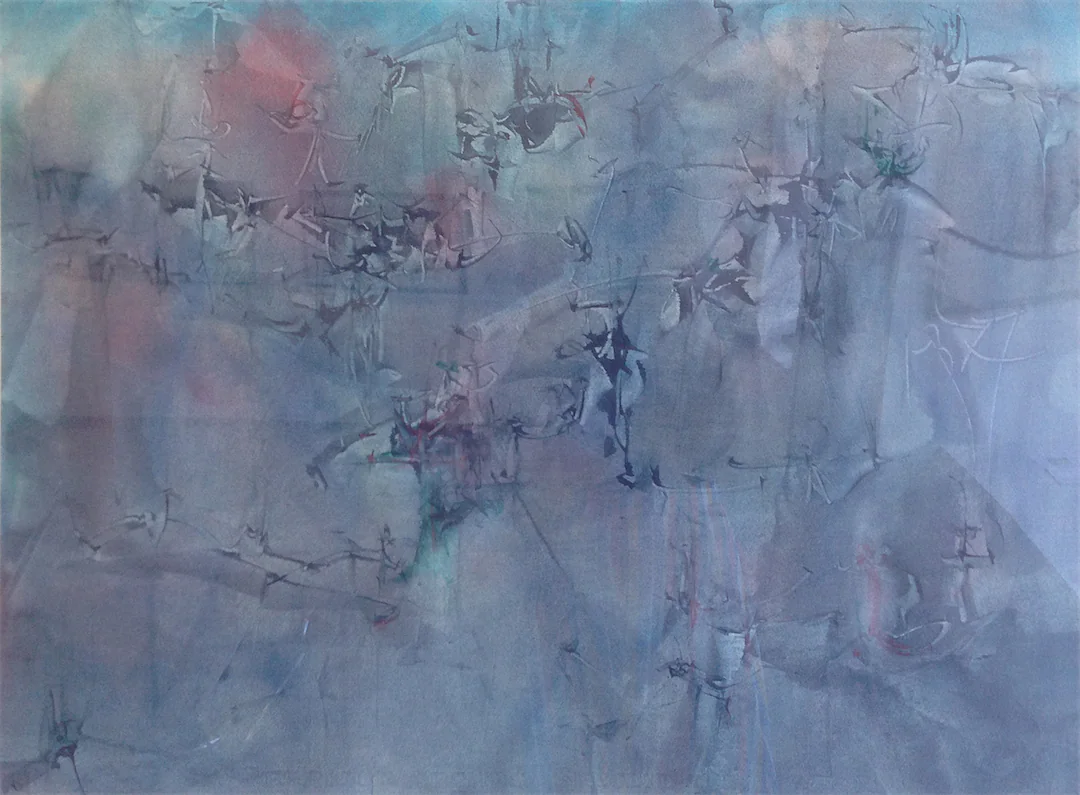
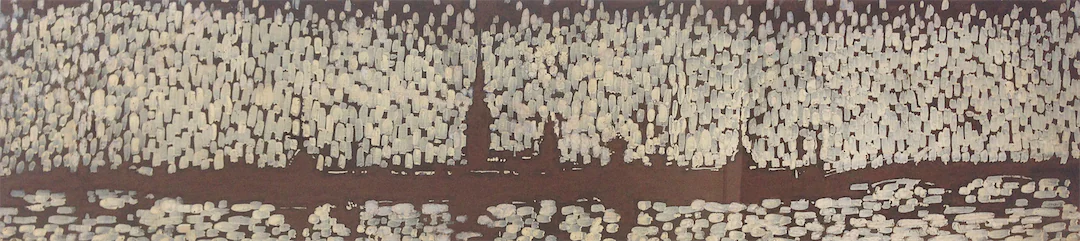
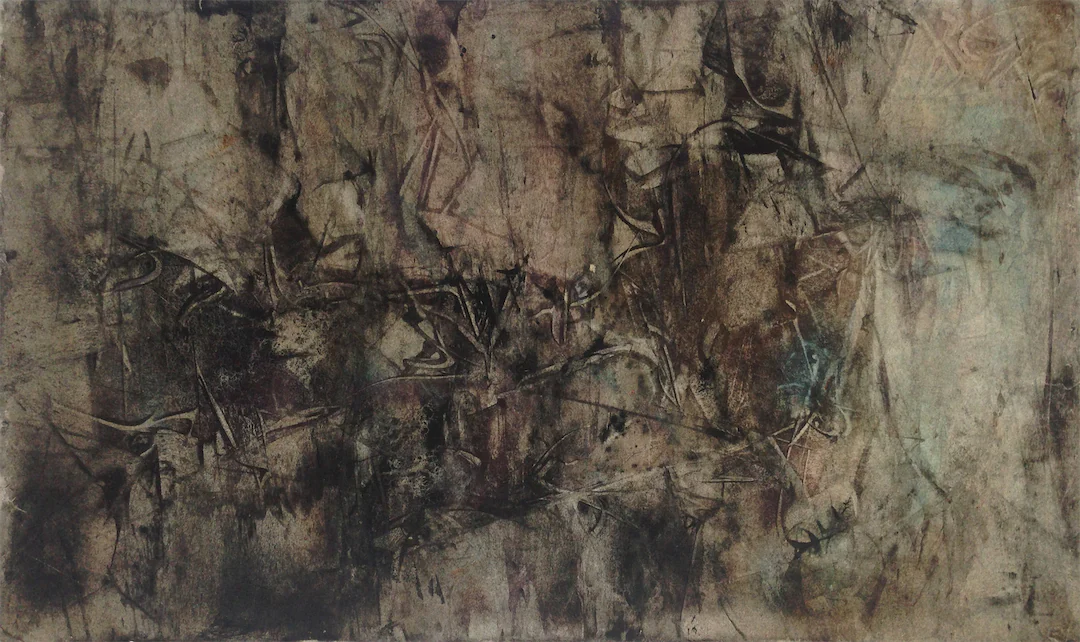
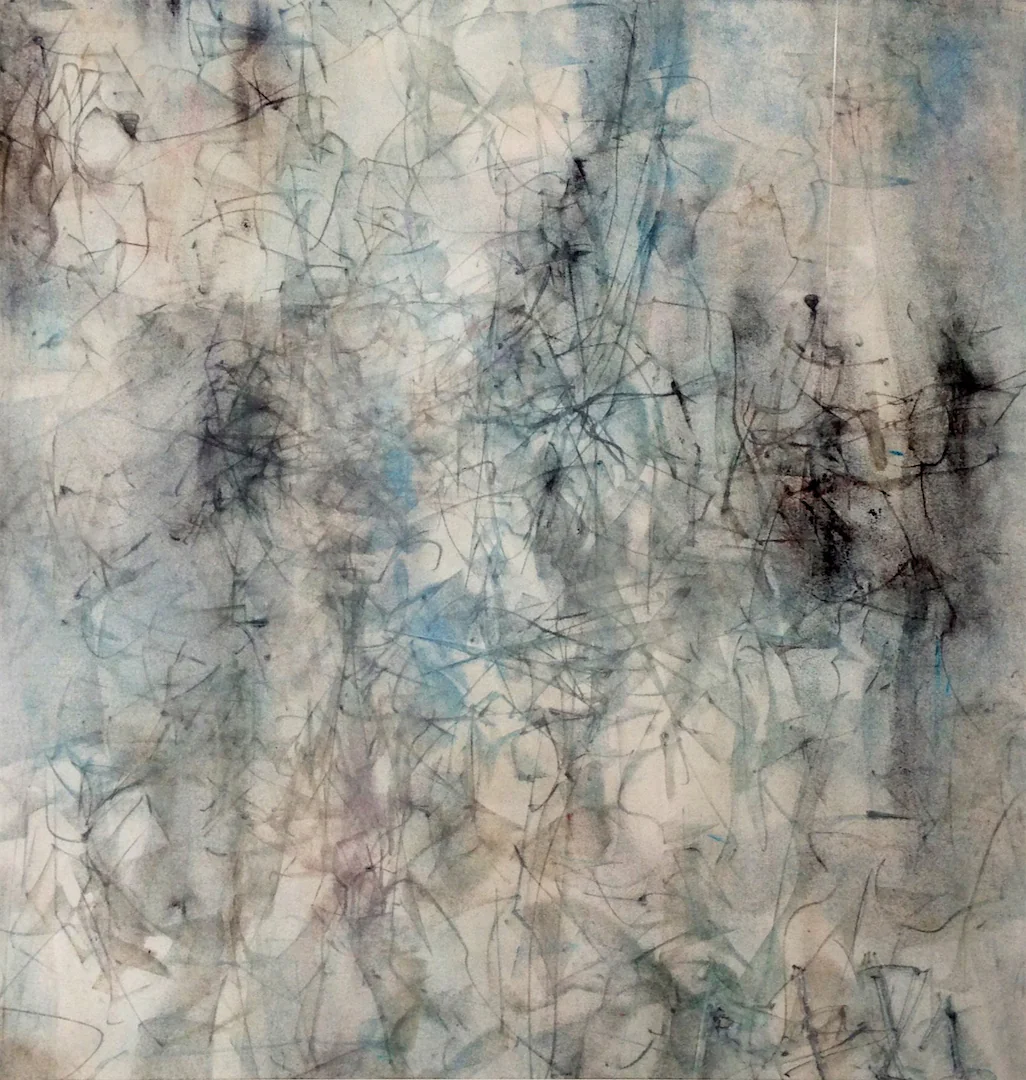
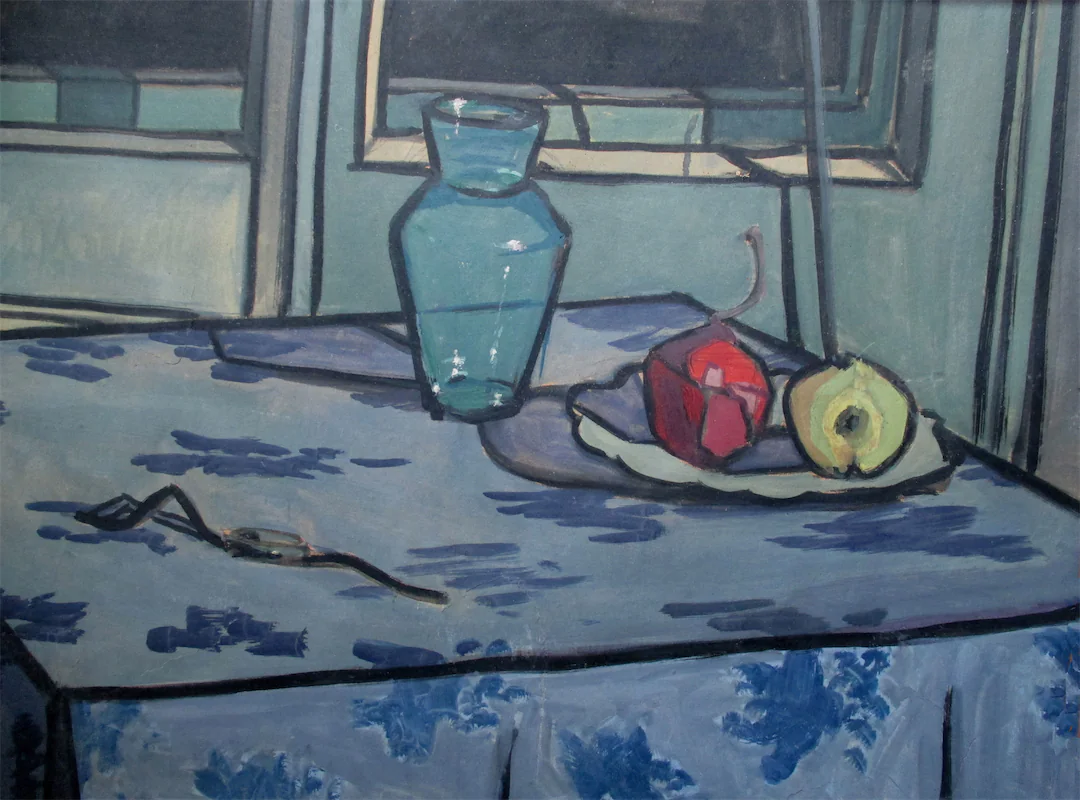
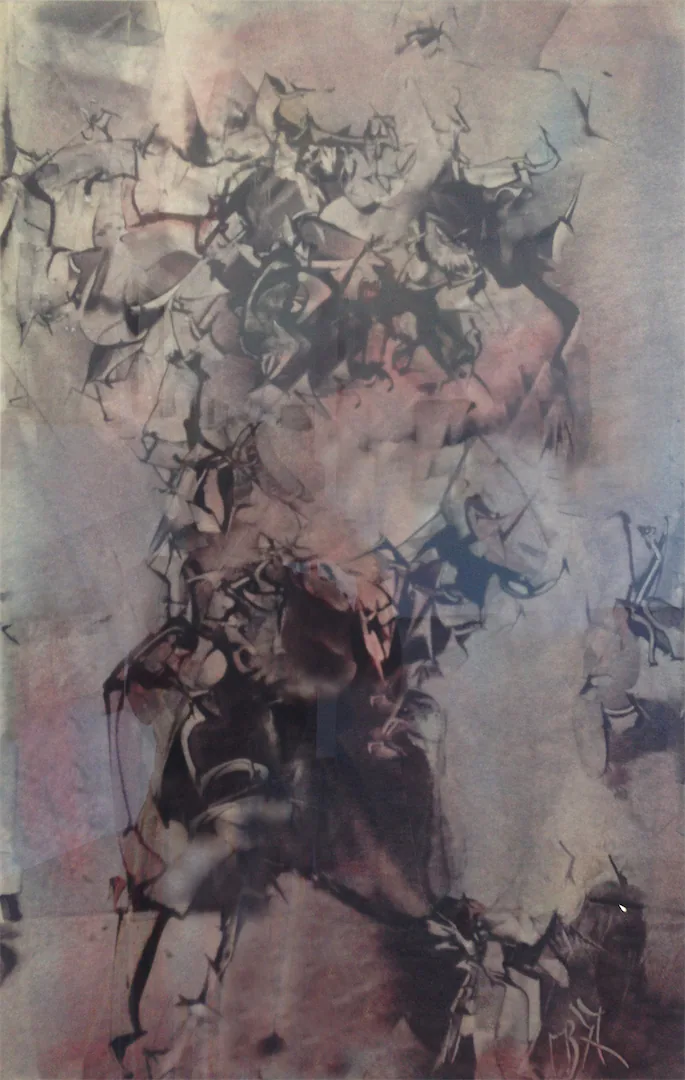
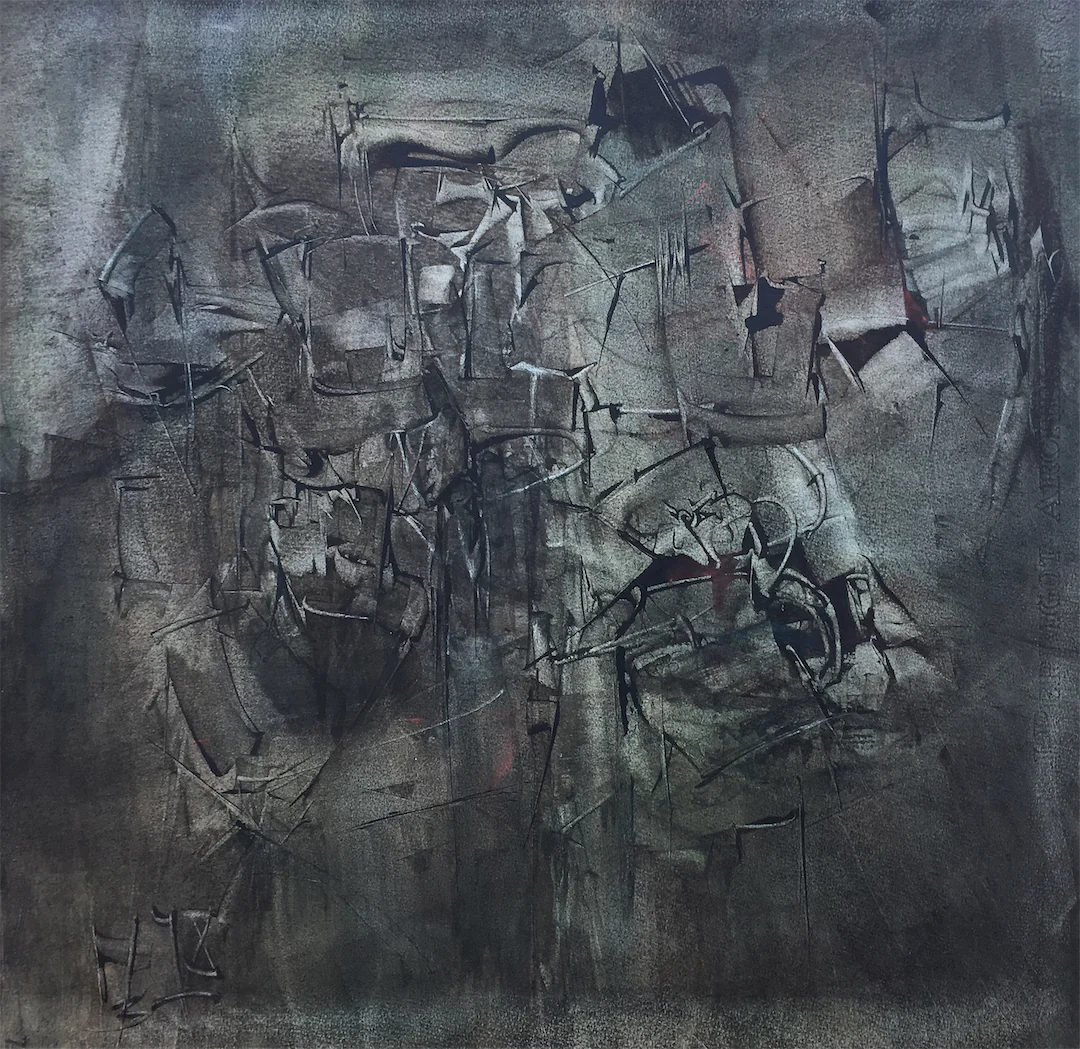
«This artist is promptly and definitely mature», that is what Soviet and Russian art critic Mikhail German says about Mikhnov-Voitenko. This statement is proven by the variety of art works at the exhibition: the second half of the 1950s, which is the most productive period of the artist’s practice, is presented by totally different paintings: the figurative still-lifes and experimental works from the series «Tube».
In 1956–58's, being a student of Nikolai Akimov at the Russian State Institute of Performing Arts, Mikhnov created several still-lives in the manner of Cezanne, he called them «purposely grounded». He painted from life, and Mikhnov’s friends recognized the elements of the artist mother’s flat. These still-lives of the early Mikhnov’s period already reflect his distinctive colour combinations and that density of colour that will be appropriate to his mature art works.
In the same years the artist created a series of paintings and drawings, executed in the self-invented technique «Tube». The paint is applied on a surface (canvas, paper or cardboard) without any instruments, it is squeezed out right from the tube. The art works from these series are extremely divers. Pasty oil layers overlay each other, thin lines, zigzags, dots, geometric figures and stripes form peculiar compositions, slightly resembling to some archaic drawings or ancient inscriptions. Despite of the apparent abstractness of the art works, the artist called them «Concretions». He says: «My art doesn’t depict any fact, it is a fact itself. That is why it is absolutely wrong to call it abstract, but factual or concrete».
Evgeny Mikhnov-Voitenko was full of strong creative energy, which made him look for new instruments for artistic expression. In the end of 1950's, Mikhnov discovered enamal, a paint used in building construction, which gets dry during several minutes and forms a glossy surface. He was the first, who tried an abstract expressionism in Leningrad after war, by creating the art works in «dripping» technique (paint is dripped or poured on to canvas).
The artist experimented with art materials: he grinded sticks of sauce into powder and adds some PVA glue — that is how he invented the self-made «PVA tempera», which he used for creation of a range of art works in 1970's and 1980's. The layer of paint get thin, thick drops of self-made tempera and sauce covered semitransparent overflows of paint.
The internal diversity of forms and hues in Mikhnov’s abstractions hides multiple associations: the artist reconstructs the essence of a fact, event, element. He achieves a «sharp oncoming movement of raising reality» which appears from the body of paper to meet artist’s and spectator’s eyes.
© St. Petersburg, 2005, all rights reserved