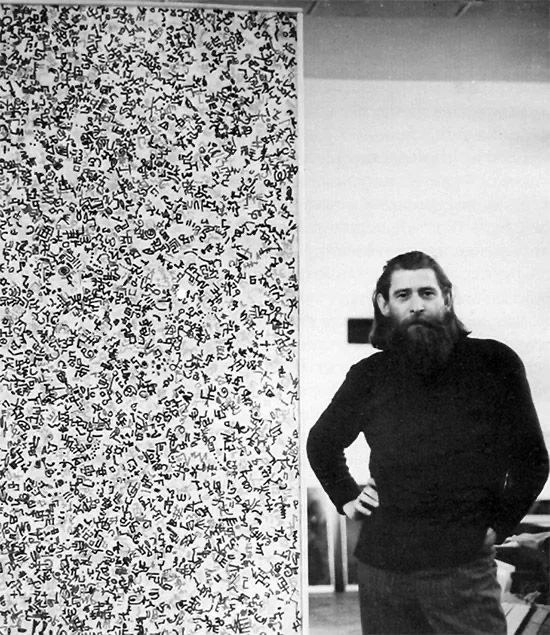
1932-1988, Ukrainian SSR, Kherson
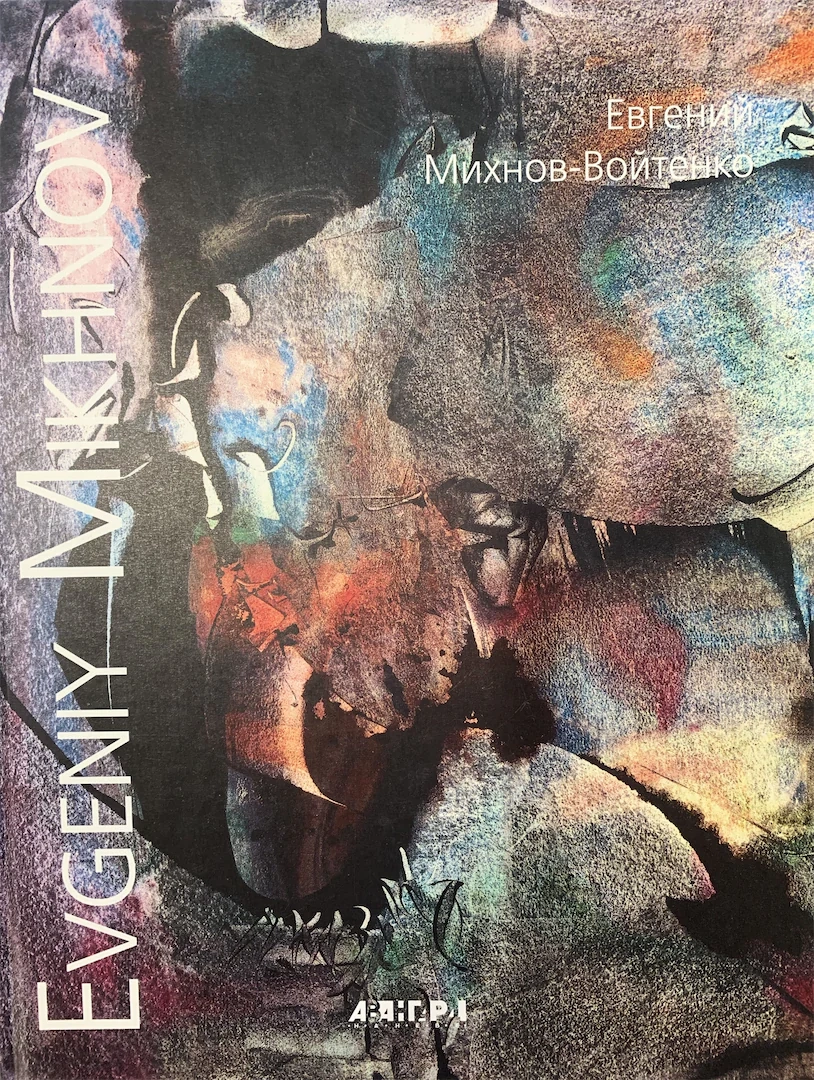
Legendary abstract artist, representative of the Leningrad nonconformism.
Born in Kherson, in 1939 he moved to Leningrad. During the war he was evacuated to Semipalatinsk, then returned to the city on the Neva. He studied at the Scandinavian department of the Pedagogical Institute of Foreign Languages (1951-1954), in the workshop of N. Akimov at the Theater Institute (1954-1958). He worked as a designer at the Leningrad Art Fund. Leader of the older generation of the Leningrad underground, was friends with L. Aronzon, A. Knayfel, B. Ponizovsky.
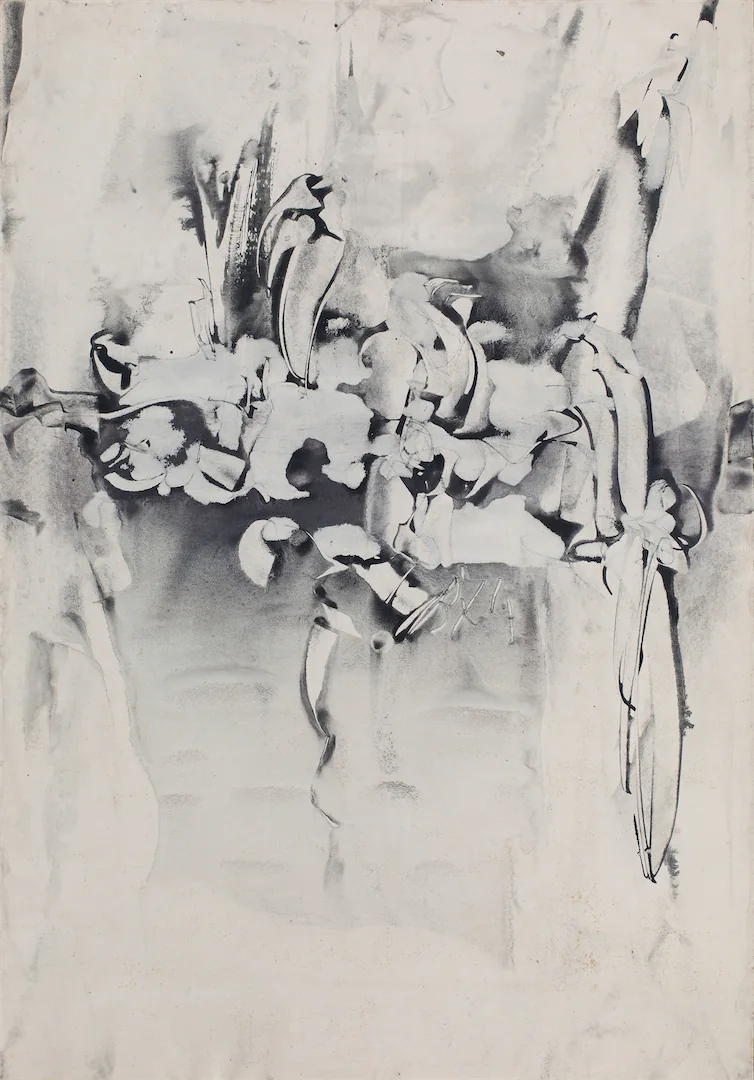
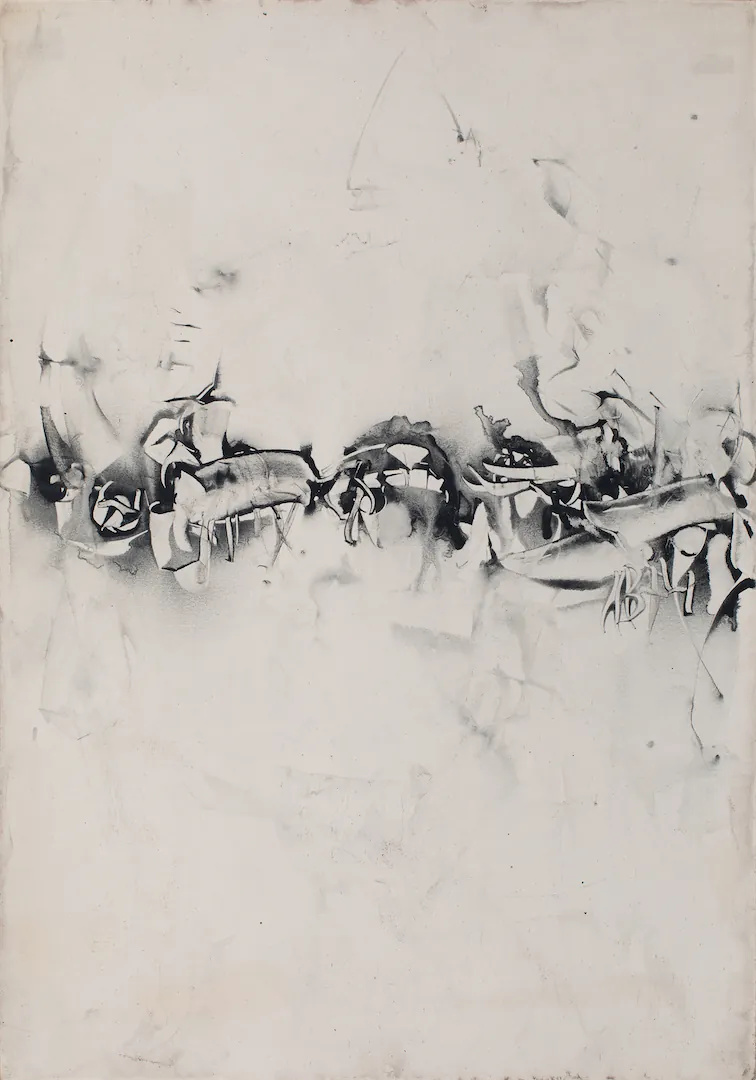
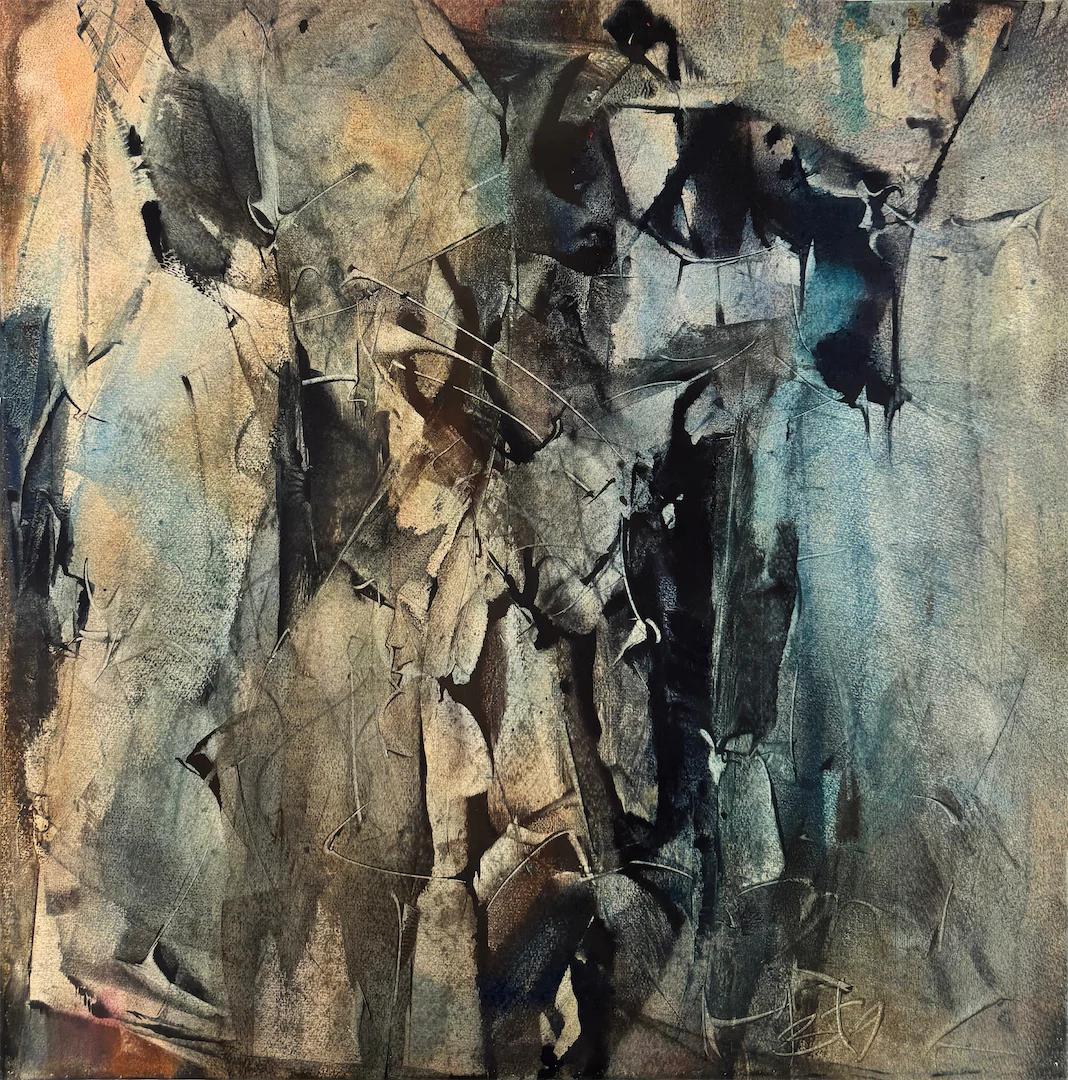
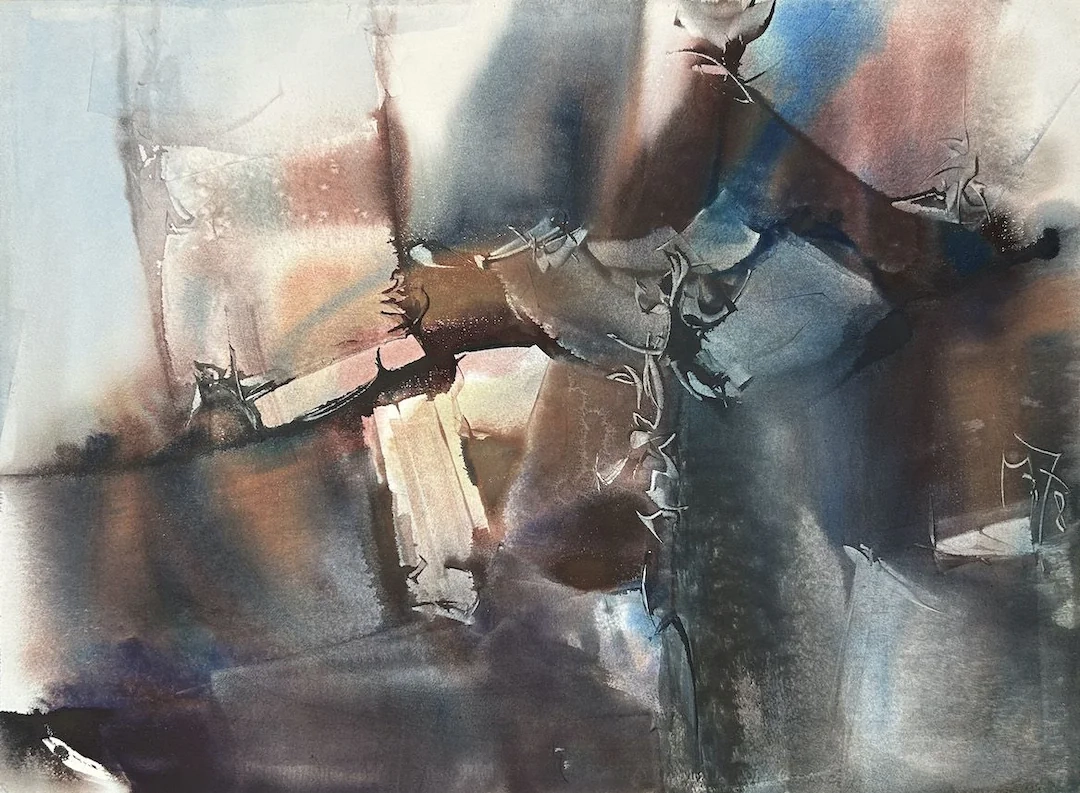
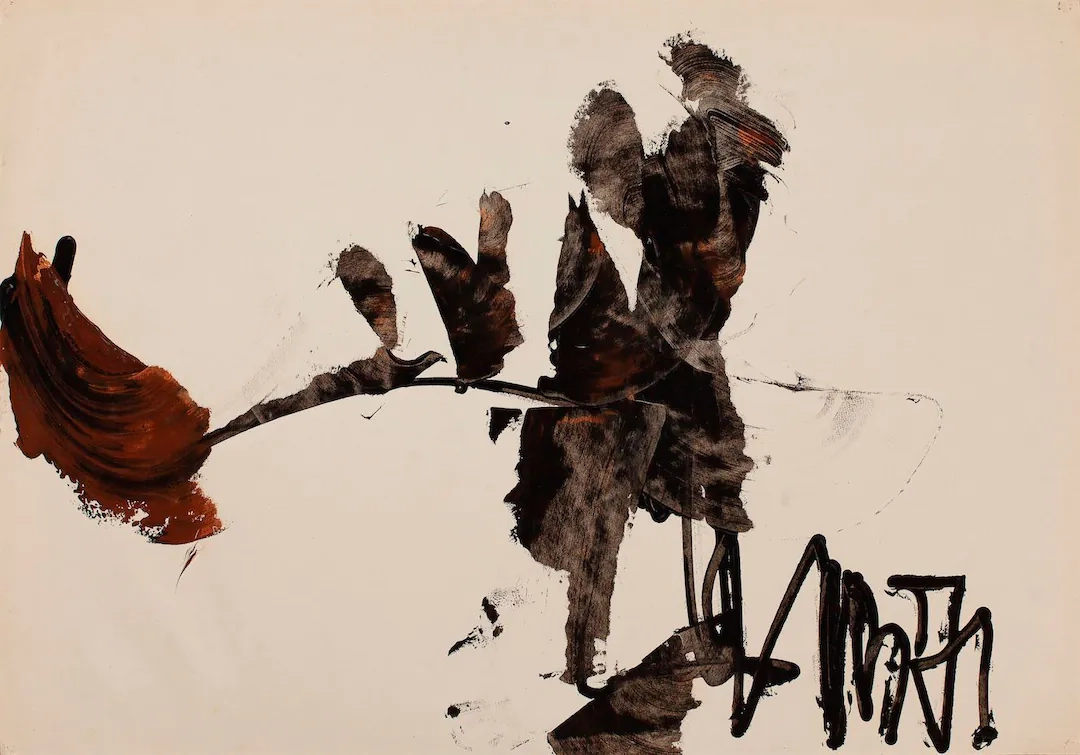
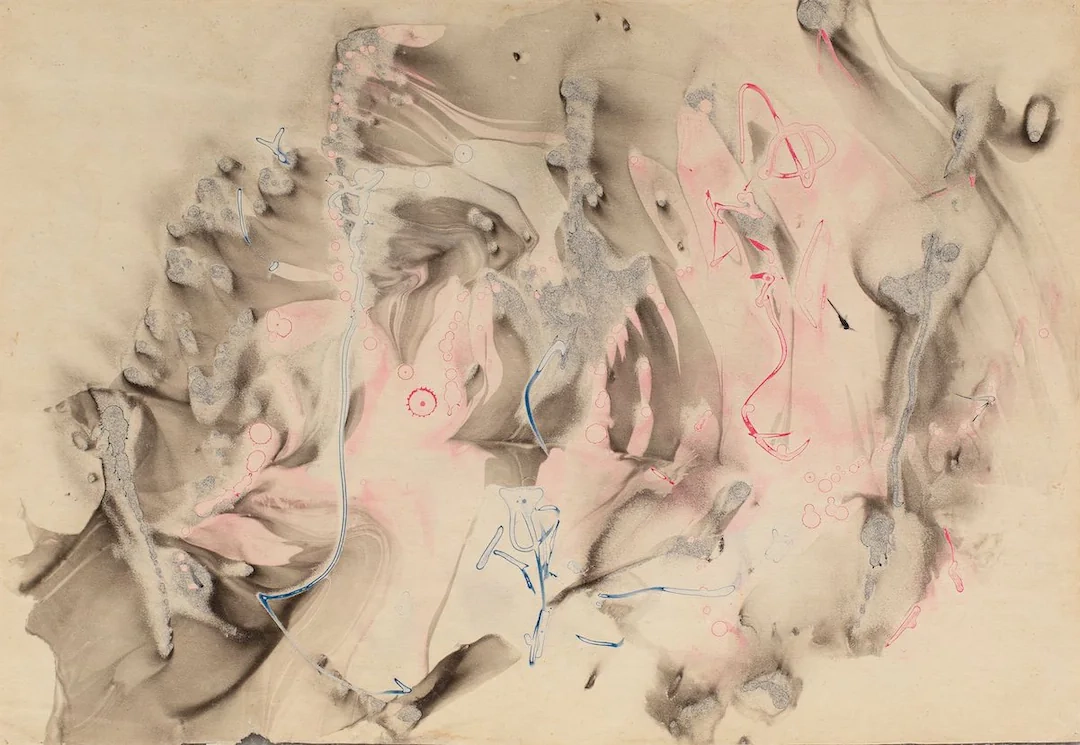
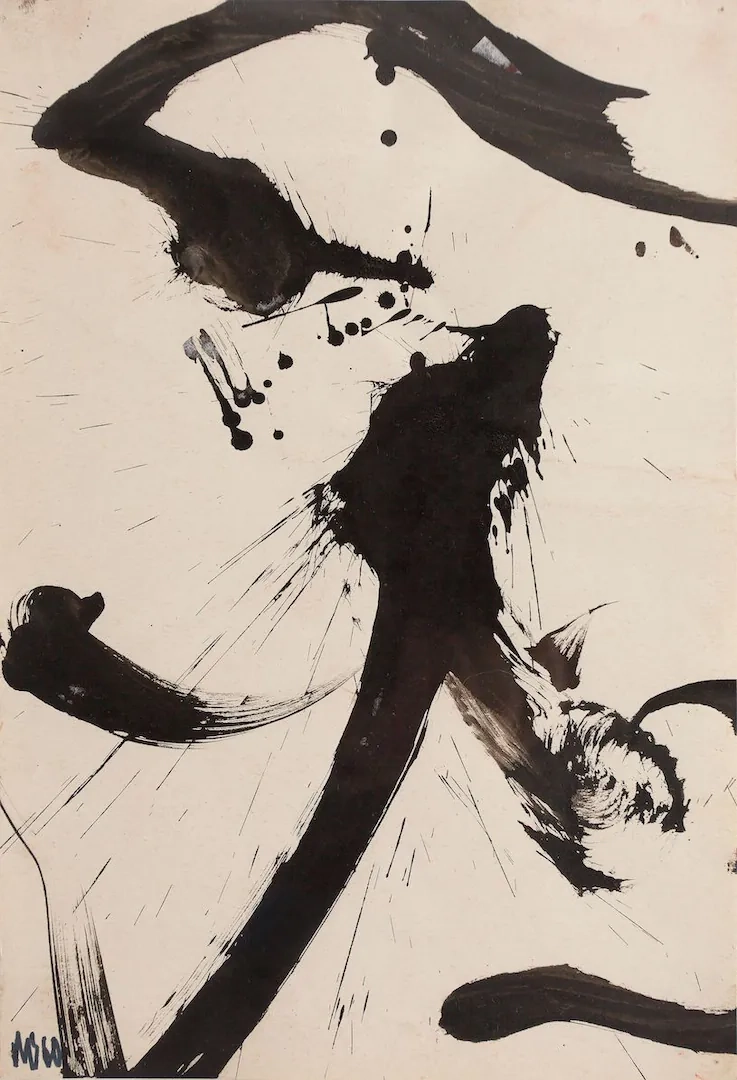
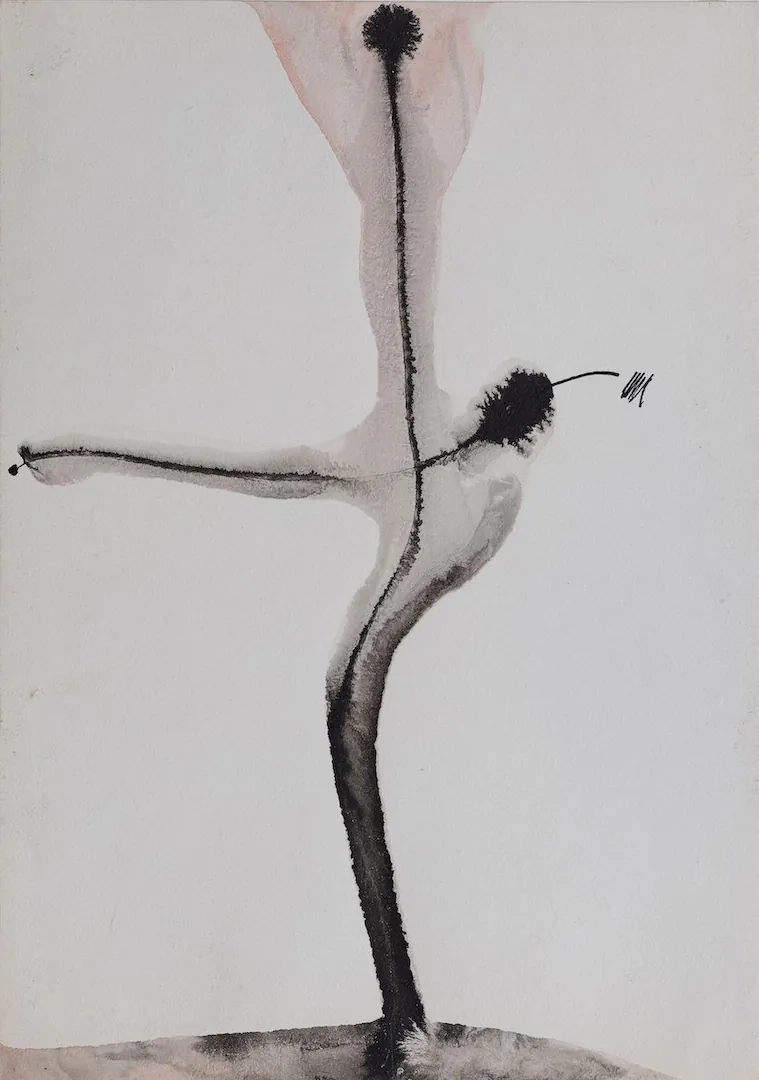
From 1956, he became interested in abstract painting. He was one of the first to work in an abstract expressionist manner. In 1976, he participated in the first post-war exhibition of non-objective art "Painting. Graphics. Object" at the Leningrad House of Culture named after Ordzhonikidze.
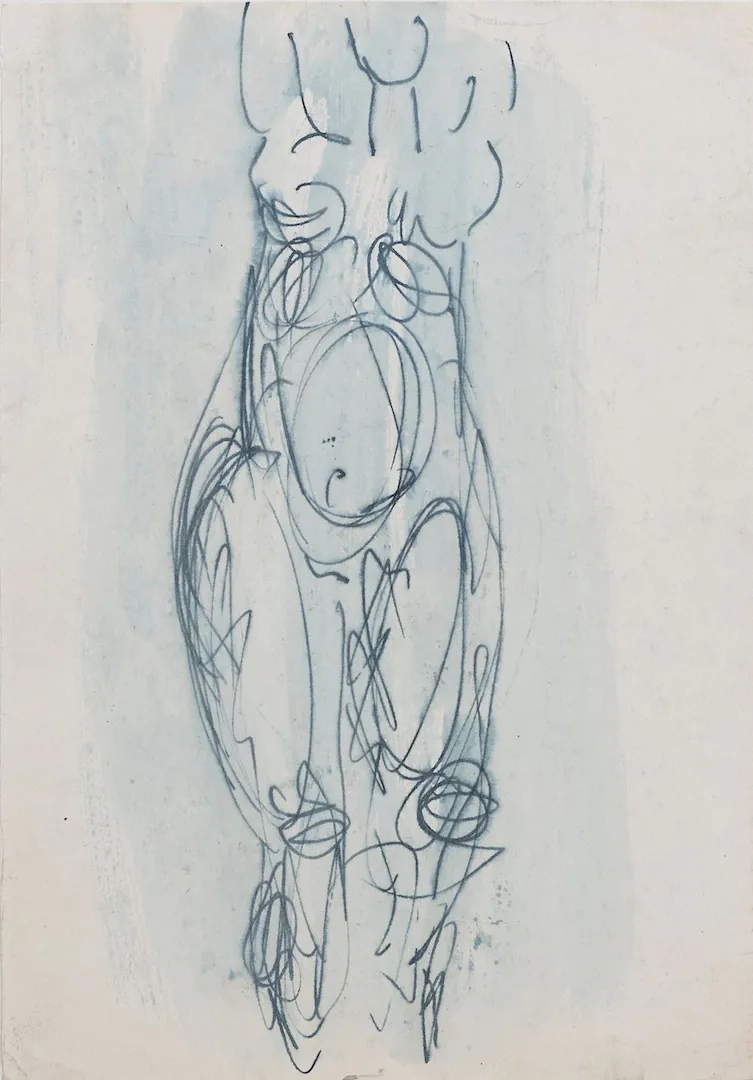
Since 1981 — Member of the Fellowship of Experimental Fine Arts. E. Mikhnov-Voytenko created an original aesthetic of spontaneous painting, inventing technical possibilities for the emergence of images uncontrolled by the artist. He used a movable table that changed the angle of inclination and consequently the trajectory of the flowing paint. He worked with wet cardboard, giving unpredictable stains; applied paint with large brushes (each jar of paint had its own brush), and formed the composition with a palette knife and spatula. Unlike American abstract expressionism, which emerged under the influence of surrealism, psychoanalysis, and research into archaic mythologies, Mikhnov-Voytenko's painting was formed in spiritual and religious searches. He is rightly considered one of the most prominent domestic non-conformist artists of the 20th century.
© St. Petersburg, 2005, all rights reserved