december
2016
february
2017





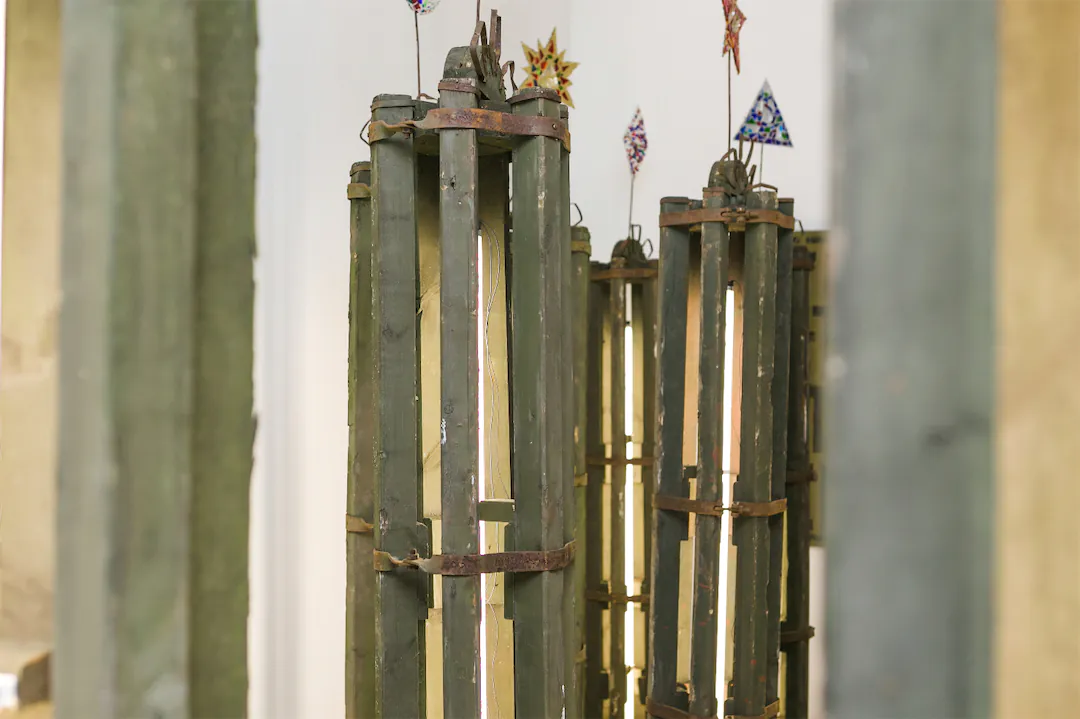
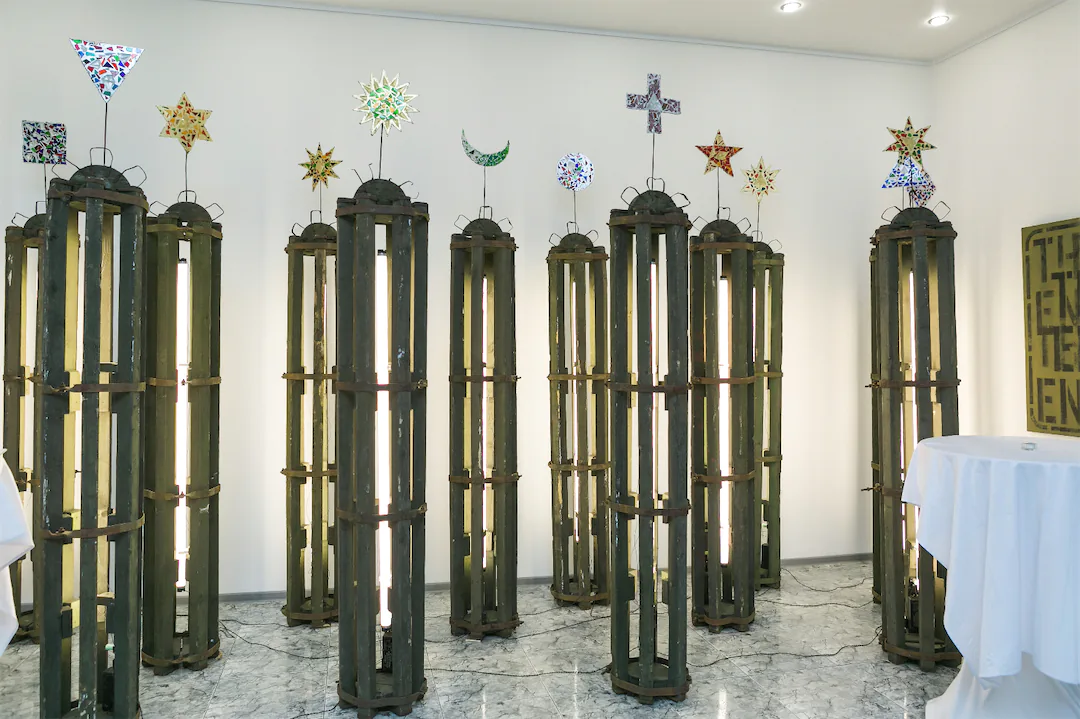
The correctness of our chronology is uncertain. The one true fact is only that Julius Caesar established a new calendar that is used nowadays — the New Year started on the 1st of January. January is a symbolical month for beginning of a new year! It’s called after the Roman god Janus — according to a legend one side of Janus’ face was turned to past and another side was turned to future…
The 8th of January was always solemnly celebrated in Roman Empire much earlier than Christian reforms of Constantine the Great. Around 273 Emperor Aurelian legalized the 25th of December as a holiday in honor of the winter solstice called ''Dies Natalis Solis Invicti'', The Holiday of Invincible Sun. Heliogabalus, the priest of the Temple of the Sun on the Orontes Emese, sits on the imperial throne and prescribes Rome adore conical aerolite removed from the East: phallus — symbol of the good performance of the sun. The idea that all gods, national and outlandish, are the personification of the one god, the Sun, gains not only religious, but also political importance. The Roman emperors liked to see the same idea of autocracy in Heaven that Rome has created on the earth. The cult of Sol Invictus was officially approved and specially prescribed for the army.
The pioneers of Christianity had a political prudence: they didn’t give to people the possibility to miss the old cult and saved national calendar but interpreted it according to new religion. This prudence was manifested also by saving the holiday on the 25th of December.
© St. Petersburg, 2005, all rights reserved