March
2026
April
2026
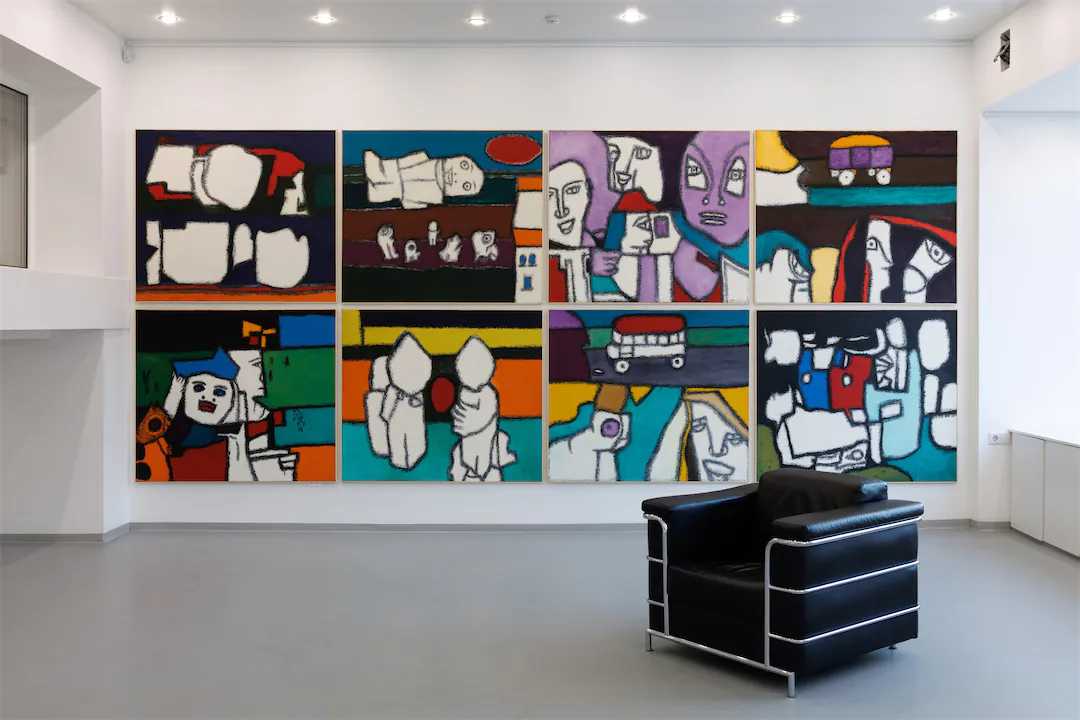
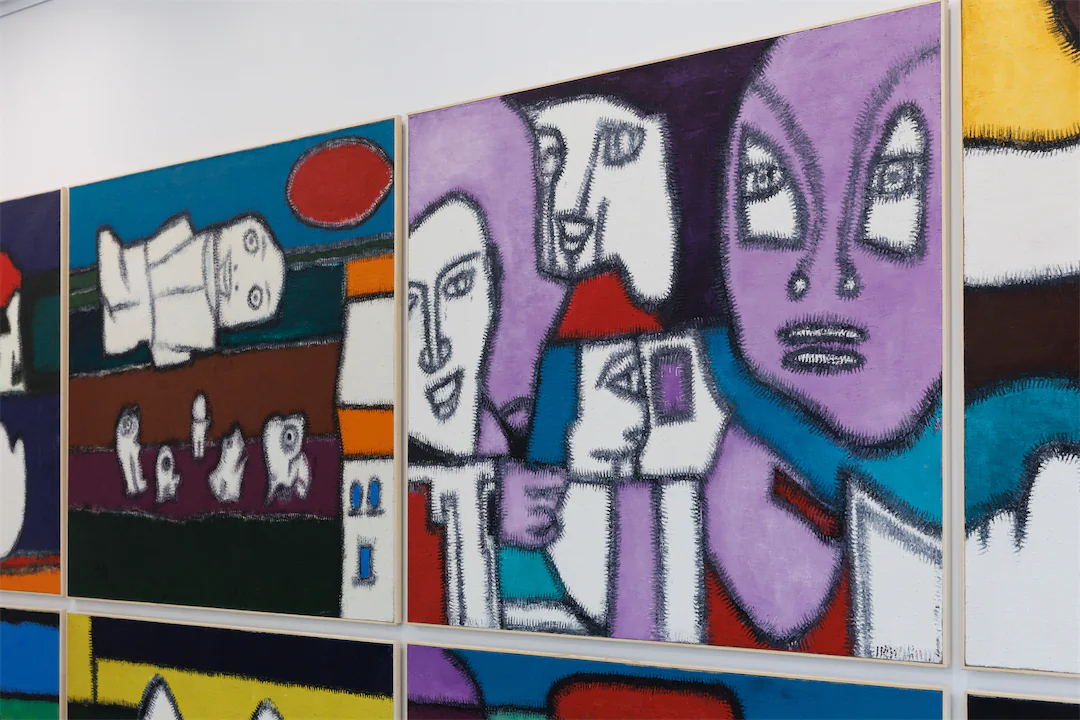
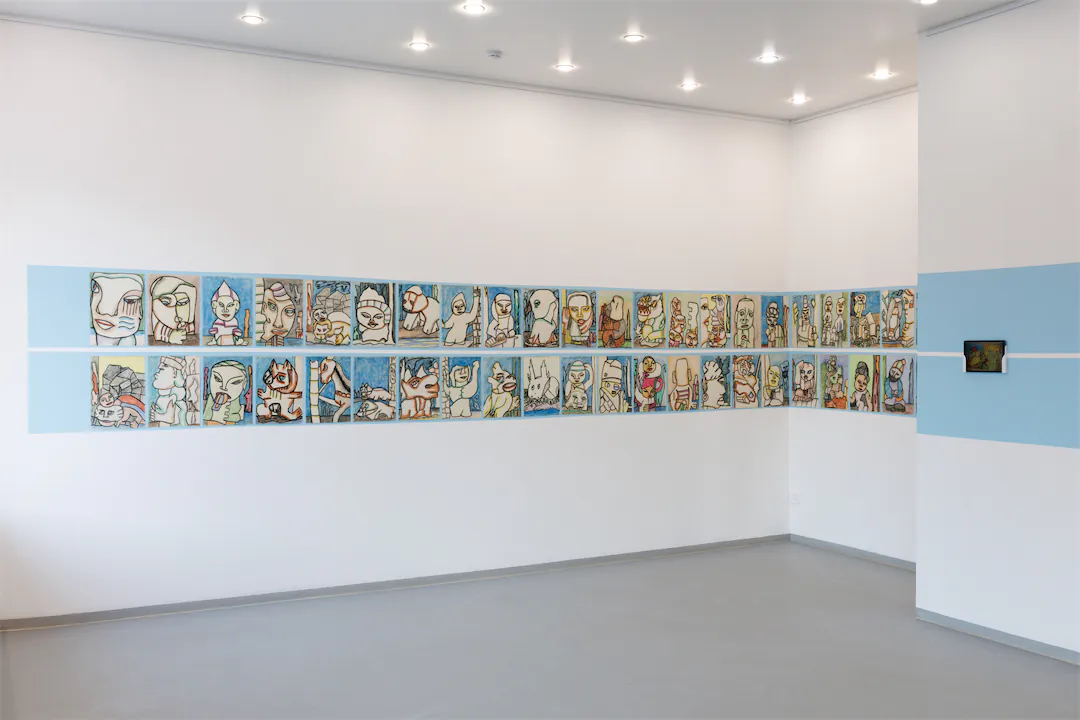
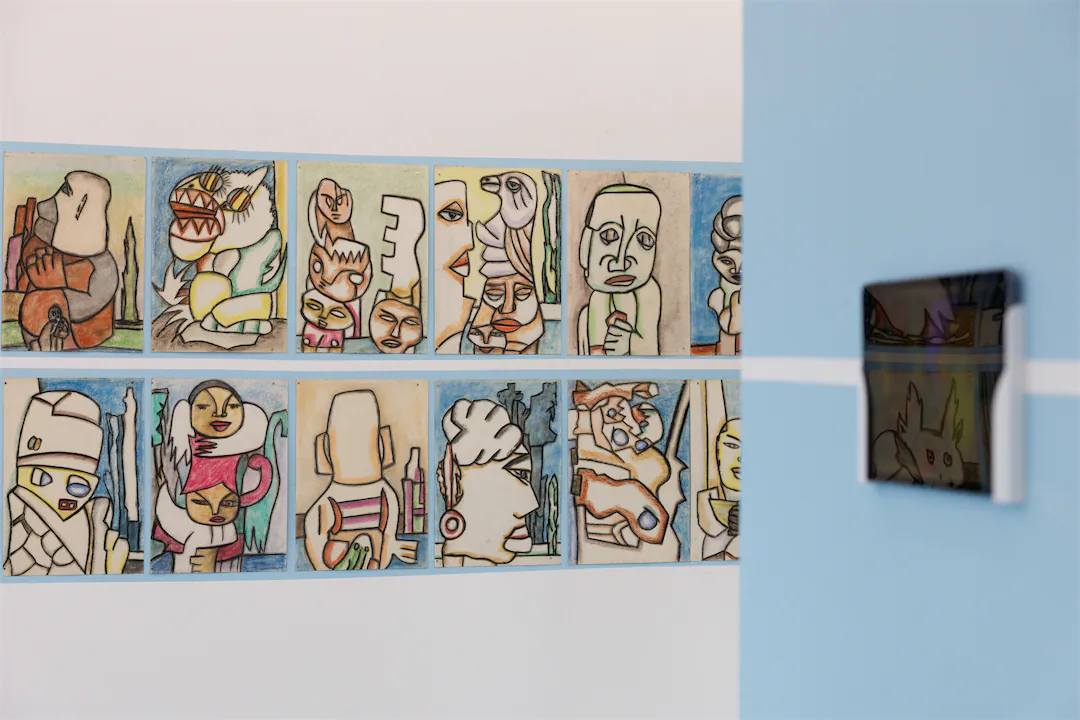
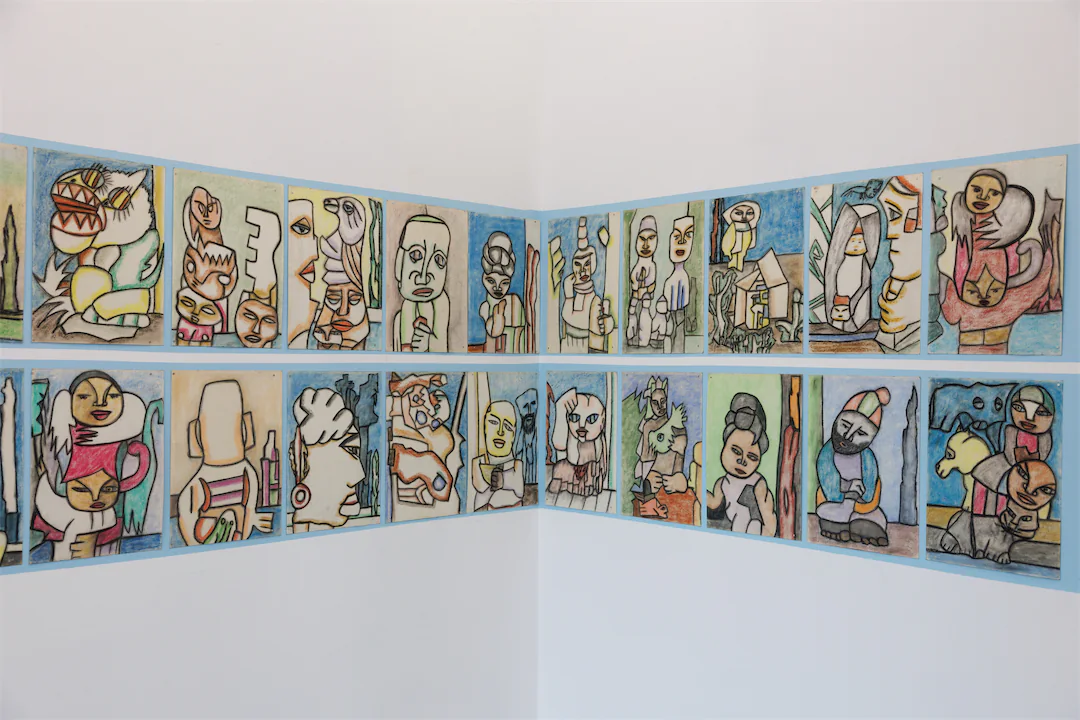
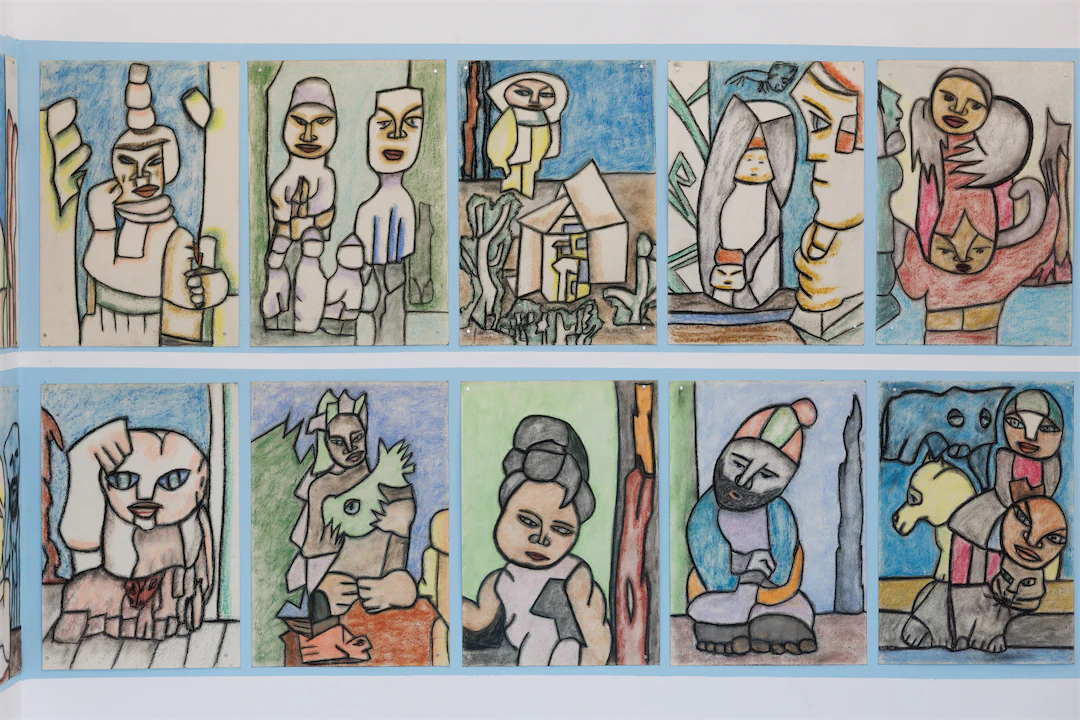
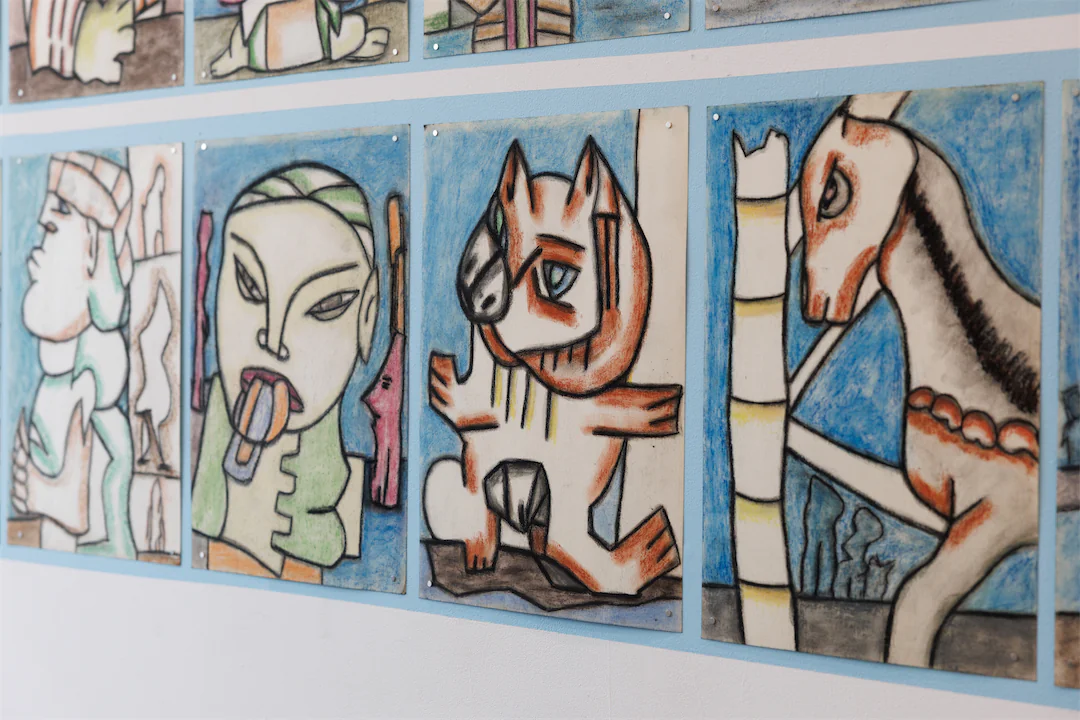
"I am rushing across the earth's surface in a high—speed vehicle, catching out of the corner of my eye images and artifacts inherent in man from the Stone Age to the present," is how the artist describes in just one phrase the global project to which Boris Koshelokhov, usually called "Bob" in the Western manner, devoted three decades. He used the name of this incredible painting concept — Two Highways — along with the Russian "Two Paths", and even more often "Two Highways": the American highway was for the artist the same as the Siberian highway, although the word itself had receded into the past after Koshelokhov's departure, and now it's more like "highways" around than the "bolshaks".
The description of the Two Highways project looks like a numerical progression at first: twelve hundred sketches, two and a half thousand digital drawings, six thousand pastels, and in the final — five thousand square meters of painting. To achieve these goals, the artist has been painting hundreds, if not thousands, of meters of canvas and paper since 1992, where images are changing each other faster and creating their own rhythm. A new drive appears in them, drive, here is another English word that has a direct relation to Koshelokhov's art and life.
Speed is the main meaning of Two Highways. For Koshelokhov, who personally tried many means of transportation — he worked as a railroad worker, sailor, and truck driver - speed was the most important thing. The number of paintings and drawings he made in one day or even a few hours is evidence of an insistent desire to constantly test himself, reach the limit of his abilities and go beyond them in order to fully manifest the "artist in himself." In Koshelokhov's memoirs, they often refer to him as a hippie, but in fact he is closer to another American subculture — hobos, tramps on trains, which appeared much earlier than the "flower children" and were worn out by people who chose freedom.
Koshelokhov's inclusiveness is evident in his desire to portray everything around him and to re-assign what he saw in his own artistic language. Just like poetry, according to Mayakovsky, art for him is "riding into the unknown," and the artist drives at maximum speed. He overcomes any distance in an instant and finds himself in previously unknown places, which he must necessarily embody in painting and graphics. Koshelokhov's works need a planetary perspective and separation from the earth, which Malevich also spoke about.
Paintings made in the footsteps and under the impression created on a computer screen, I would like to call the word "post-Internet", but not in the accepted sense. Koshelokhov, who mastered graphic programs in adulthood, is childishly fascinated by the endless transformations of form and bright colors outside their material medium, and in his paintings he gives what he sees a physical embodiment. The rough contours of objects and shapes stitching together the composition repeat the pixelated roughness of digital drawings.
The look of the artist and the atmosphere of his studio, the manner of communicating with people and handling paintings — all this together was an appeal to reality and authenticity, which is decreasing every day from the life around us. Together or separately, Koshelokhov's paintings demonstrate a new reality and affirm the visionary rightness of the artist, who is convinced of the fidelity of the path being paved.
In Two Highways, the author numbered the works as a title — Koshelokhov did not waste time on conceptual gestures, but showed the creator's understandable economy. The project has not been completed, but there is no finale and there cannot be: now the "Two Highways" are open into space and require looking, appealing to the eye before any interpretation. For the artist, the earthly path and the heavenly path formed a unity, and five years ago Koshelokhov only changed lanes and, as always, pressed the accelerator pedal to the floor.
Text: Pavel Gerasimenko
Exhibition dates: 14.03 – 19.04.2026
DiDi Gallery address: 62 Bolshoy Ave., St. Petersburg
Opening hours: Tuesday – Sunday, 12:00 – 19:00. Admission is free
© St. Petersburg, 2005, all rights reserved