september
2019
october
2019
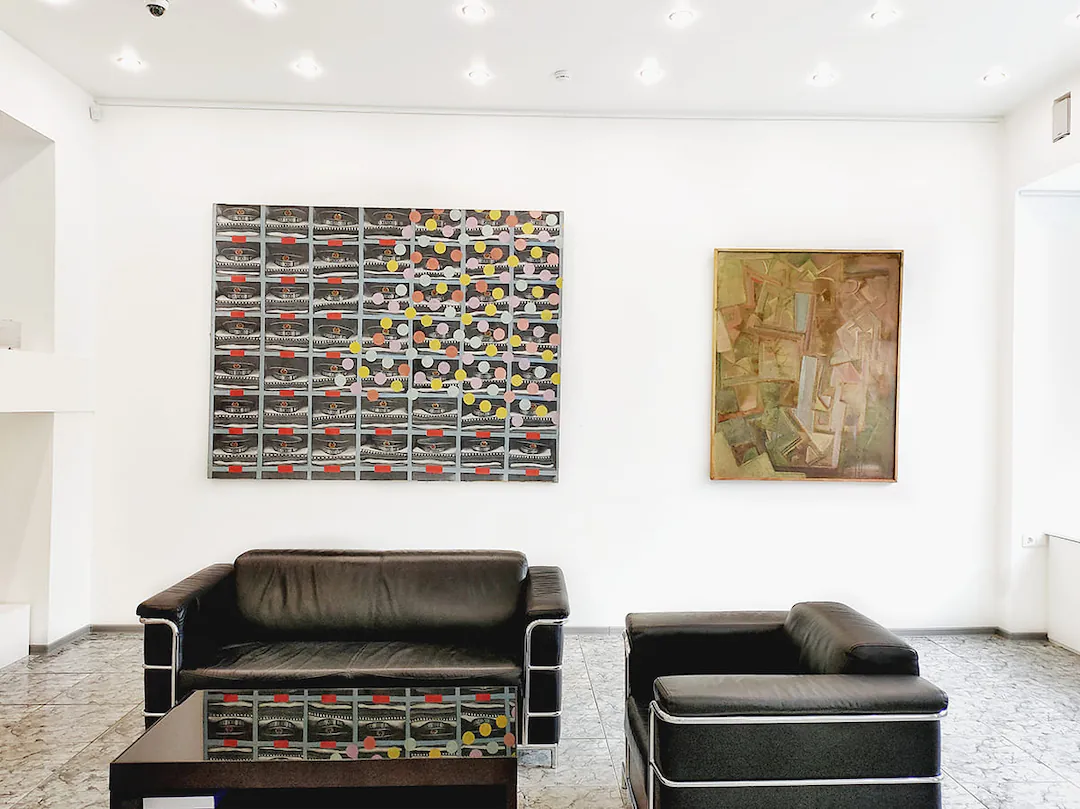
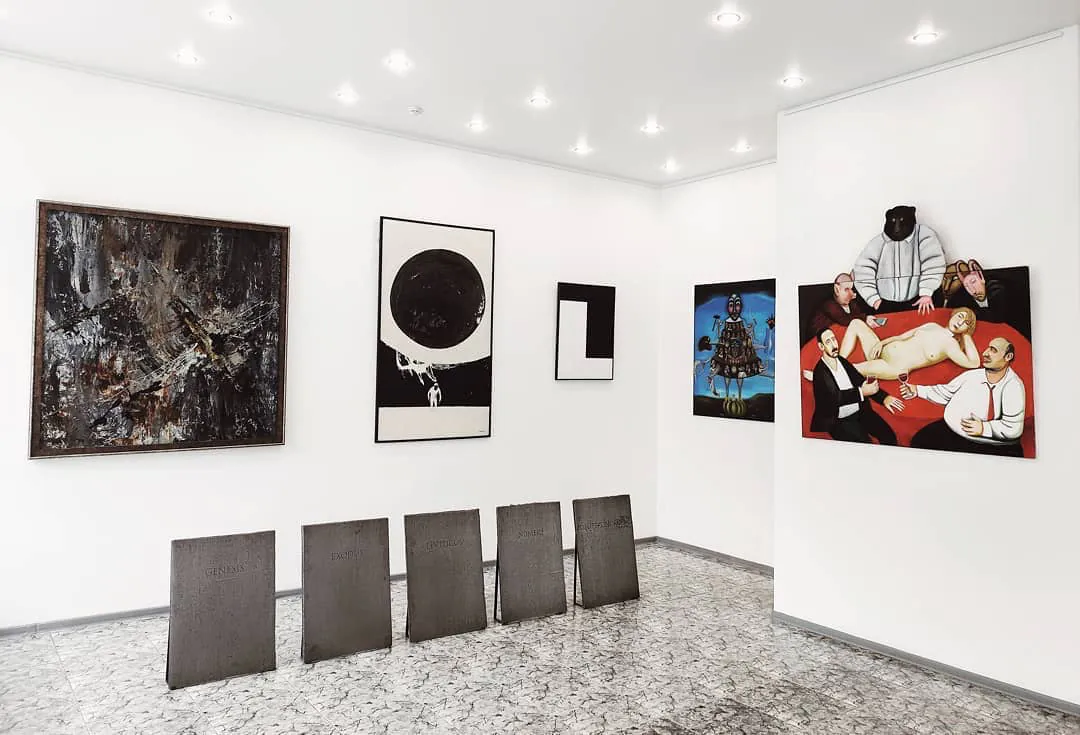
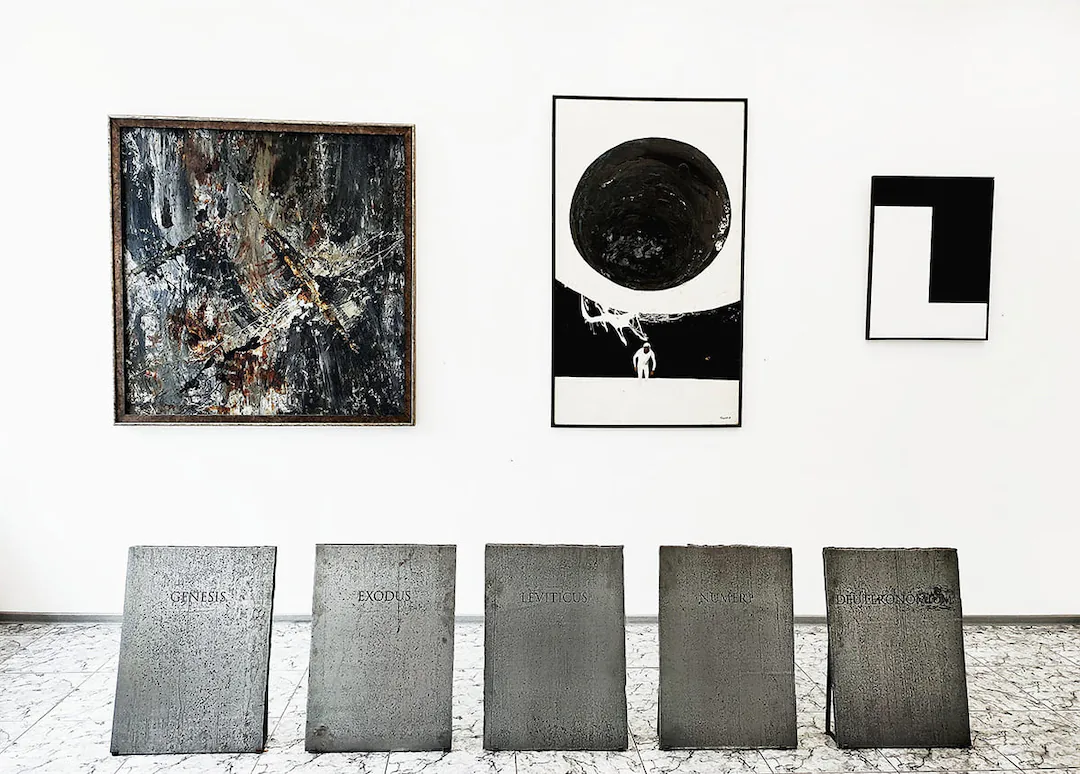
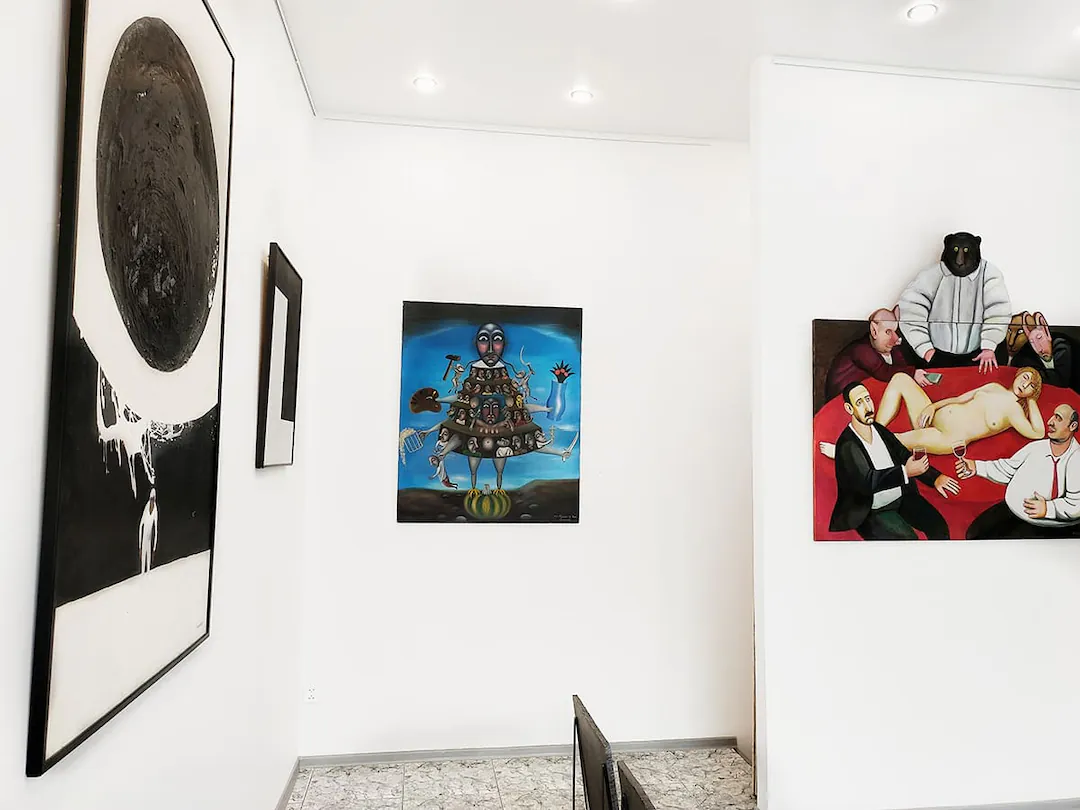
DiDi Gallery begins the fall season with an exhibition composed mainly of works by unofficial Soviet artists of the 50s and 80s. The names of these authors went down in the history of Russian art, and their works comprise the best museum and private collections in Russia and abroad.
Leonid Borisov is the unofficial artist, whose art is at the intersection of “geometric abstraction”, minimalism and conceptualism. His monochrome work “B&W” demonstrates the classical style of the author, that he has developed in an effort to get rid of all confines for the painting genre, such as symbolism, storytelling and even picturesque.
Evgeny Mikhnov-Voitenko is the leader of the older generation of the Leningrad underground and unique artist in the History of Russian art. The rare large-format work by Mikhnov-Voitenko from the “Abyss“ cycle was made in the most significant artist’s period, when he actively experimented with different methods of painting. This work represents the “golden fund“ of the artist (most of the paintings in this series are in the State Russian Museum).
Styles and forms of Evgeny Rukhin, the representative of Leningrad unofficial art, by his own words, are fluctuated from abstract to surreal. In course of time textures of waste, cast-offs, garbage become images and materials for the artist. These objects of the real life started the new cycle in the art of Evgeny Rukhin and turned into a pathos of Russian pop-art.Presented art work "Composition" (1976), pertains to the last year of life and work of Rukhin.
Mikhail Shvartsman is a representative of Moscow non-conformism. He created his own philosophical concept of “hieratism” (“sacred”), is close to abstract art. Throughout his creative life, Shvartsman intentionally was moving away from the realistic method in order to approach the knowledge and glorification of the Divine reality through the creation of special signs and images, so-called the hierarchies. Shvartsman inherited the tradition of the Old Russian art using levkas (a priming base for covering the surface of painting before applying paint lays). But artist intentionally let it be rough and grainy. The matt surface absorbs the light, that creates the effect of a implicit inner luminescence of the painting.
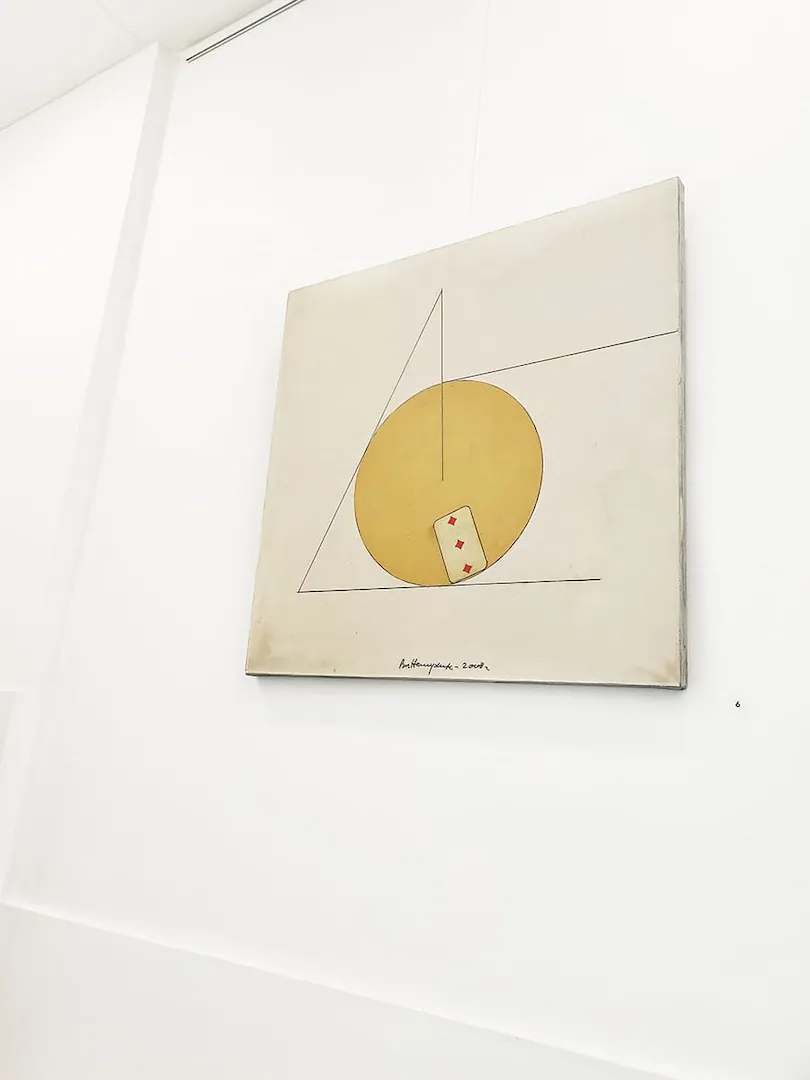
Another representative of the Moscow underground is Vladimir Nemukhin, known for original semi-abstract “still lifes with cards”. Playing cards became a cross-cutting element in his art in the 60s and subsequently brought fame to the artist. Experimenting with canvas, he combines painting, graphics and application in his work.
Peter Belenok was a Moscow-based innovative artist and author of the concept of “panic realism”. His large-scale “Composition” in DiDi is a classic example of the author’s style, combining monochrome expressive painting with collage technique.
One of the leaders of the “seventies artists” generation Arkady Petrov is represented by the large-scale work “Small Cupboards” created in 90s. The artist’s picturesque style is usually associated with such areas in art as primitivism and naive. Petrov has a professional art education, but during the entire career he seeks to get rid of the academic framework, forget his professional training and find the naive sincerity of the letter that we can see from the masters “from the bottom“.
The line of primitive and naive art continues in Leonid Purygin’s work “Pyramid“ (1992). “Lenya Purygin from Nara Genius“, as he called himself, is a visionary artist, one of the most distinctive and interesting authors of the Moscow art scene of the 1970-1990s. The work presented in DiDi Gallery is a classic example of the author’s style, resembling the works of masters of the Northern Renaissance.
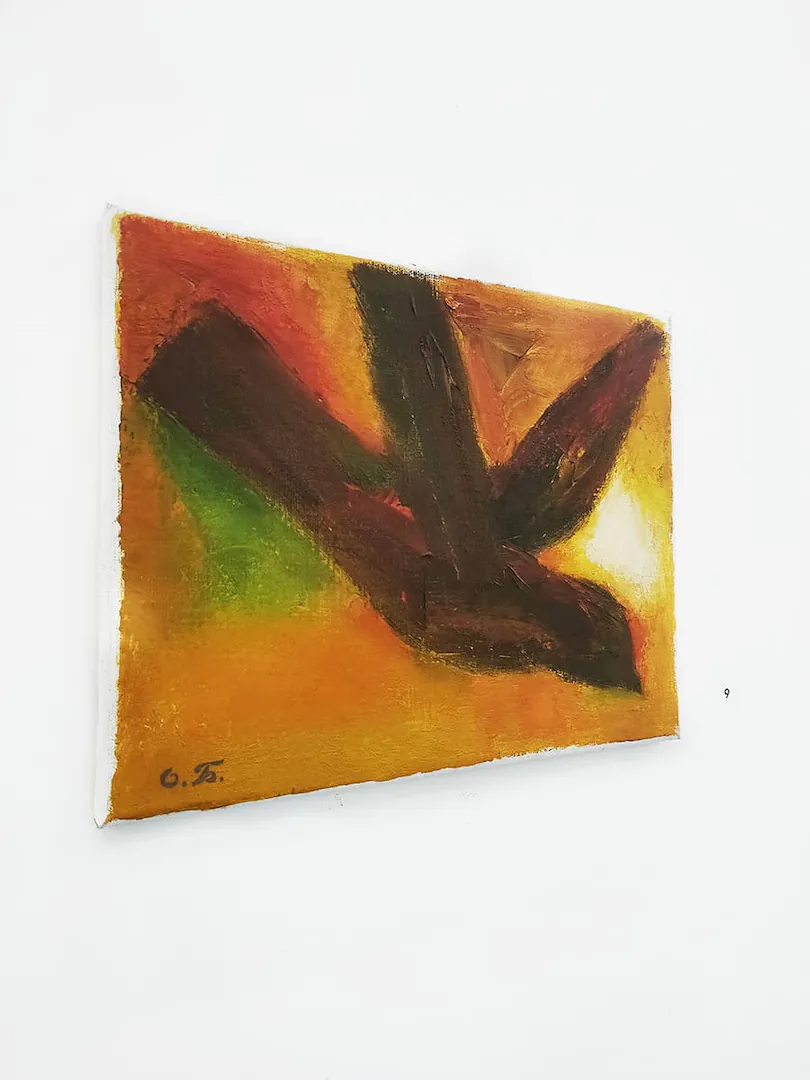
Olga Bulgakova is a well-known Moscow artist of the 70s. The author’s language has transformed throughout the creative path, filling with more and more abstract forms, which we can see in the miniature work “The Bird”. Another Moscow artist of the 70s generation, close to the underground culture, is Tatyana Nazarenko. Her paintings are a visual narrative on the border of reality and fantasy, combine a sense of the mysteries of life and bold irony — as, for example, in the new work “Party” (2019).
In addition to the authors of the so-called “avant-garde of the second wave”, DiDi Gallery presents the works of Viktor Remishevsky. He is a well-known experimental artist, master of texture and material, the founder of the branch of the State Center for Contemporary Art in Kronstadt. His installation “Pentateuch” presents the cycle of five massive metal plates, which is the quintessence of Jewish and Christian history. Each plate is dedicated to one of the five books of canonical Bible, which tells about the creation of the world and giving people the divine Law.
© St. Petersburg, 2005, all rights reserved