october
2013
november
2013
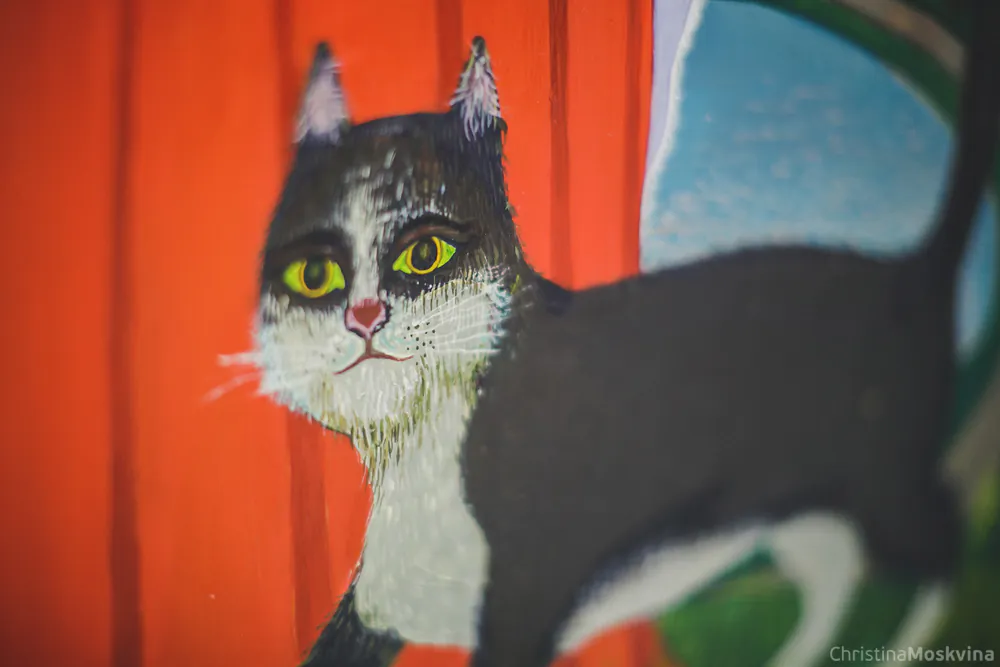
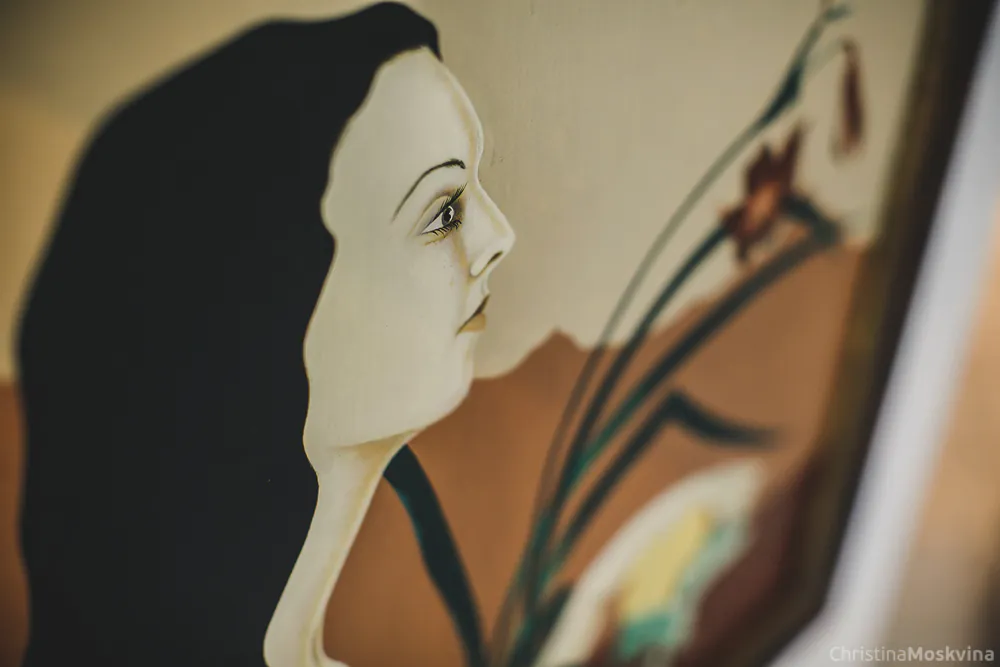
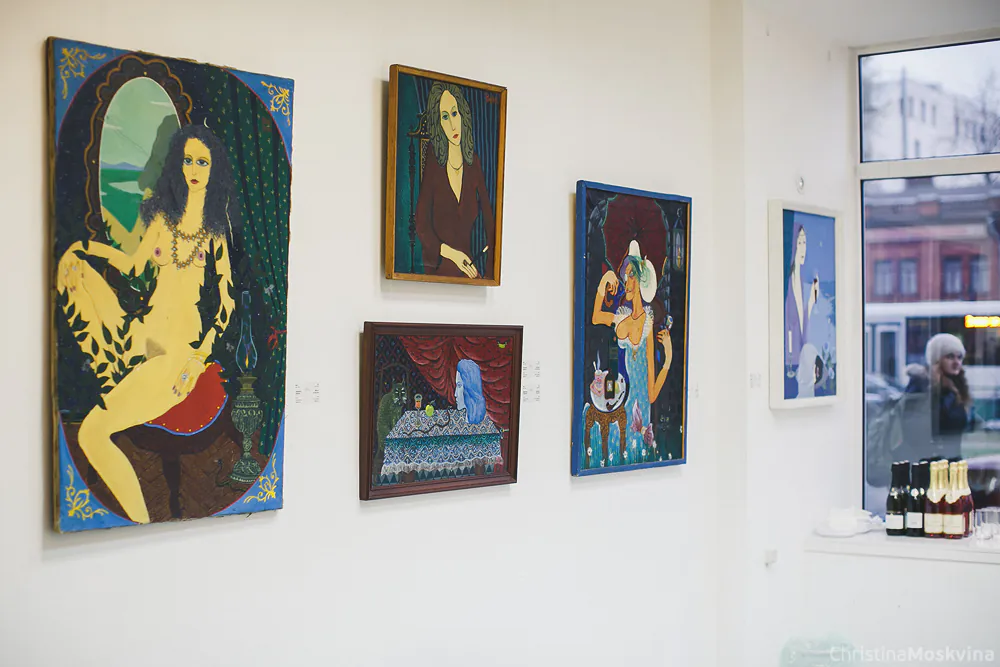
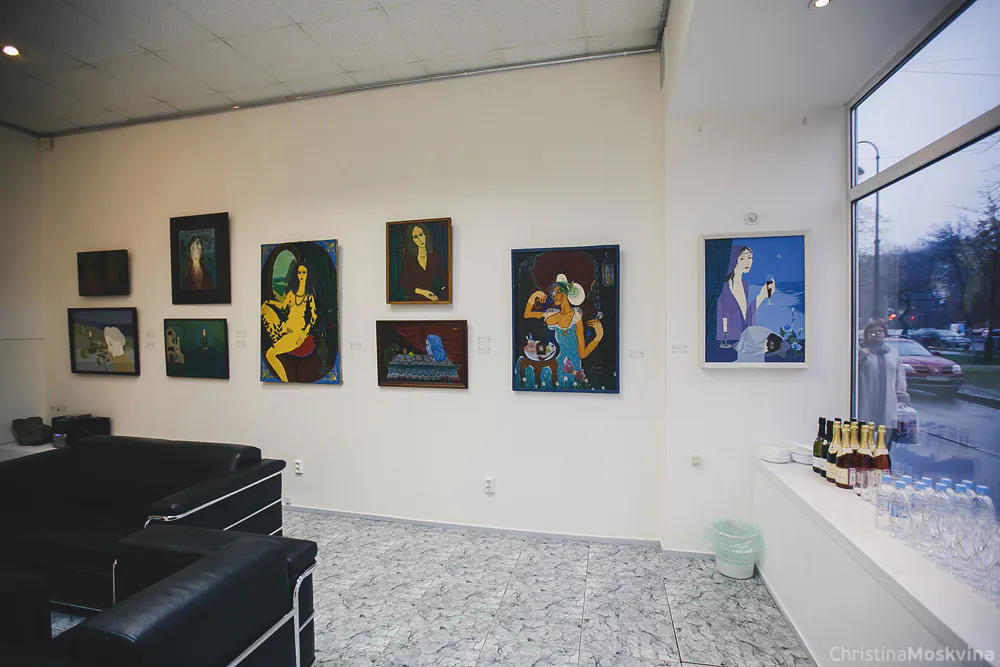
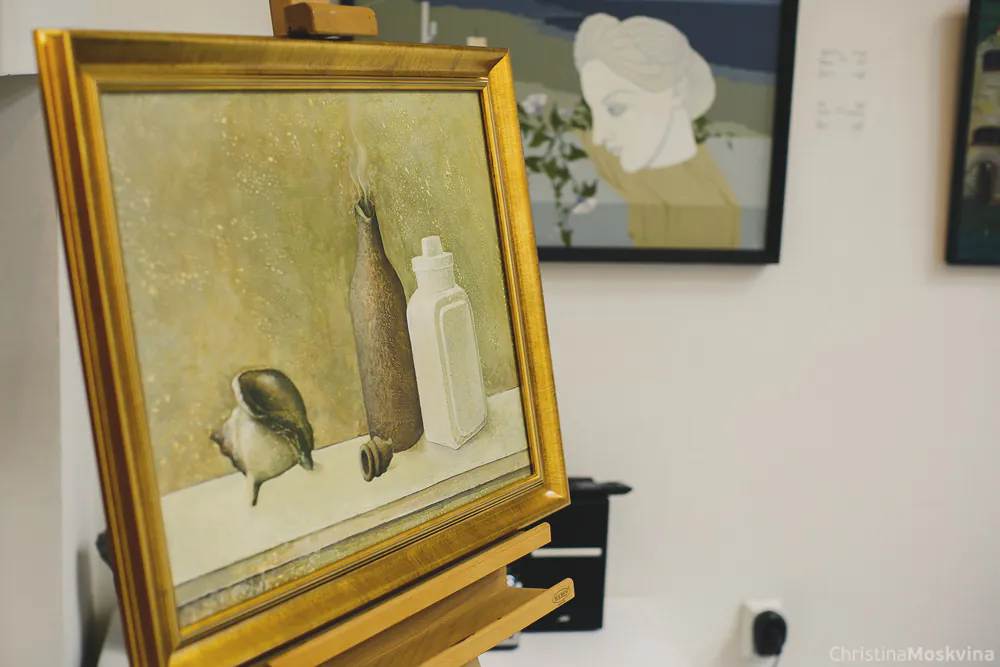
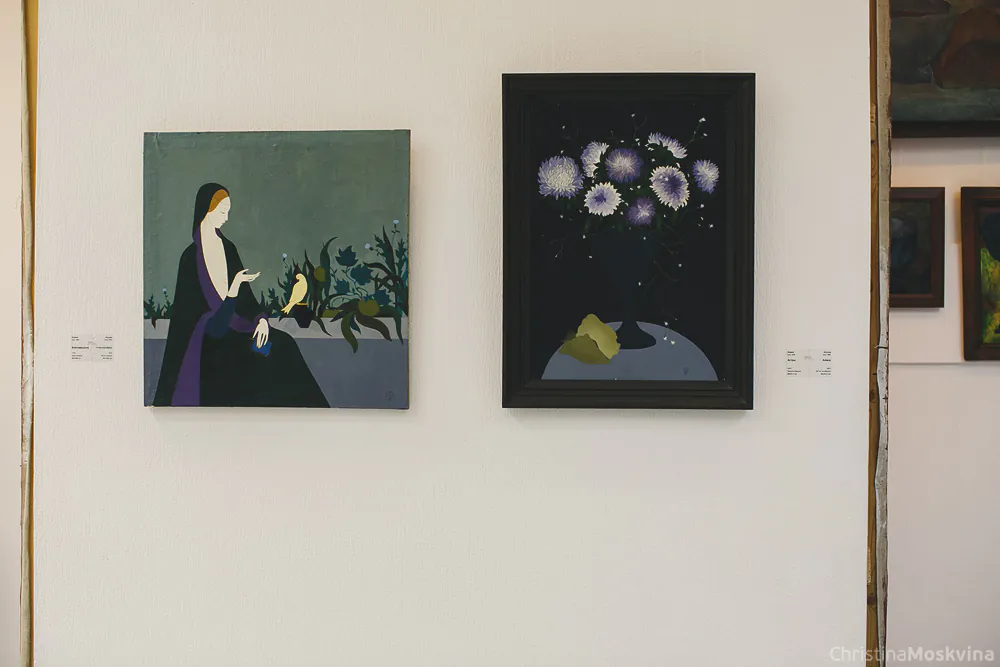
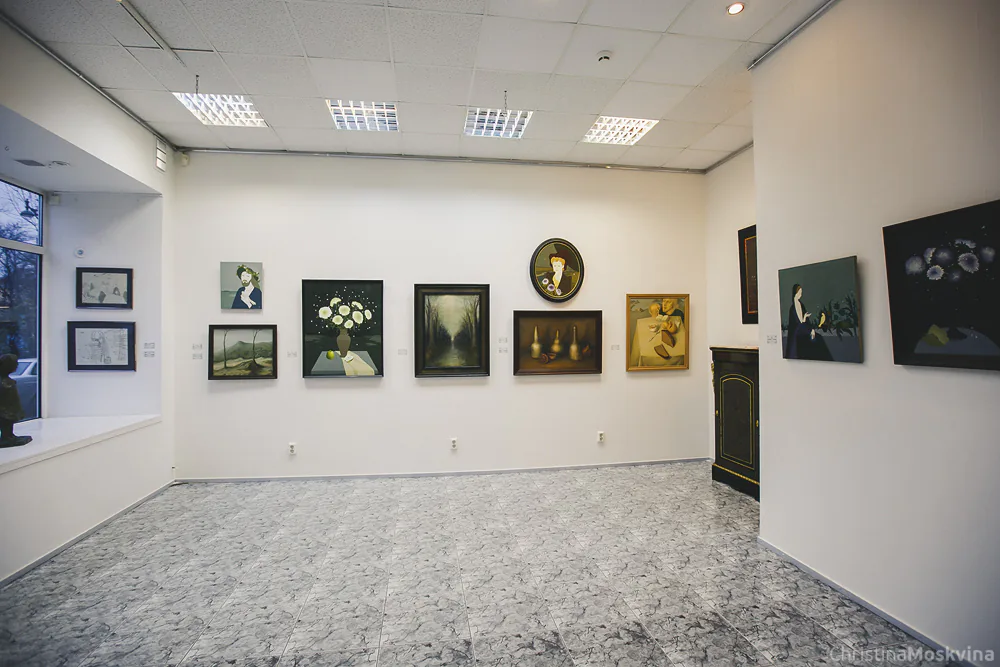
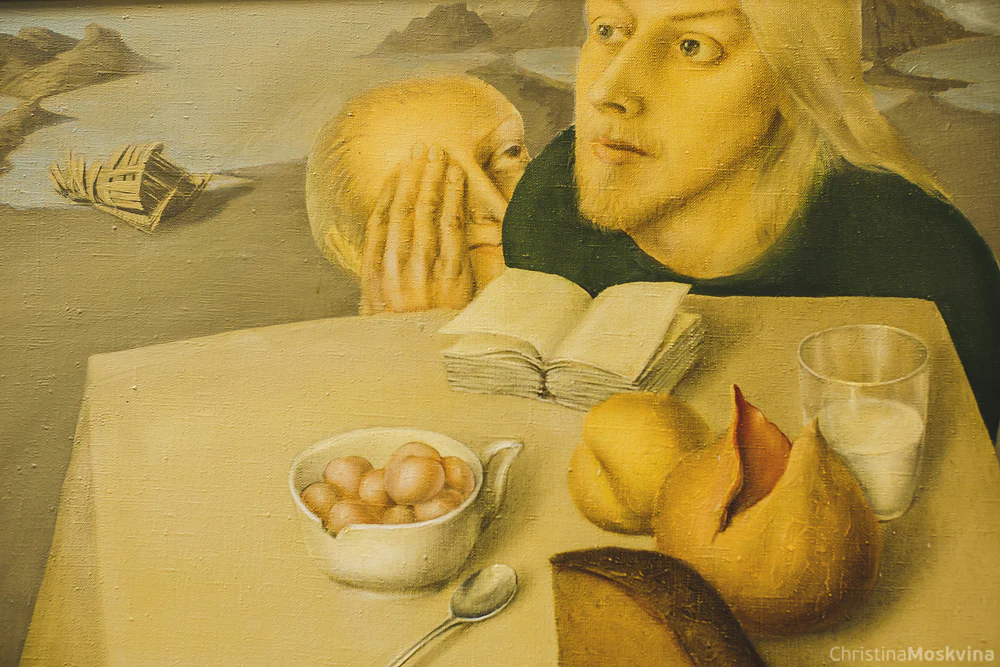
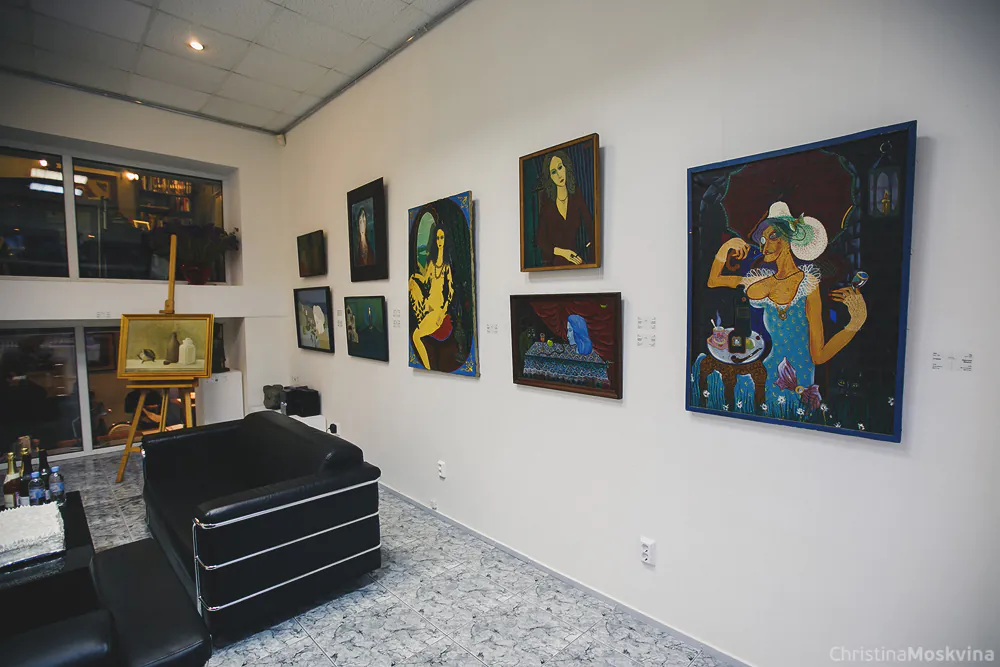
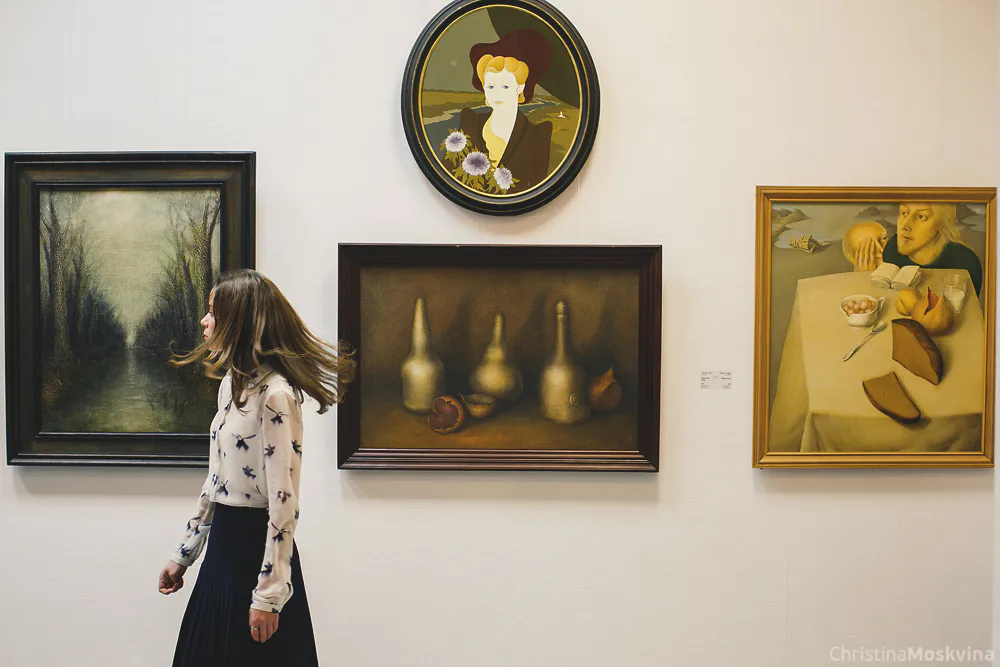
The art of the Soviet nonconformism is the recent past with its image being still formed. Today there has been done much to study that epoch. Unfortunately, a range of important facts still remains on the periphery of research interest. Among them are the creative groups of unofficial artists of the so-called “second wave” of nonconformism in the middle of the 1970s and the beginning of the 1980s.
“Alipiy” group was such a distinctive phenomenon from 1975 till 1983. The exhibition and collection catalogue represent creative work of the group members – Alena, Vik, Sergeev S., Skrodenis V., and Trofimov V. – as it was in the years of the group’s existence. Our task was to reconstruct “Alipiy” group and present it as a whole artistic phenomenon which has uniquely contributed to the development of Leningrad informal art.
The taken time frame is determined by two dates which were the most important for the group’s existence: 1975 – the first unofficial exhibition held in the apartment of one of the artists; and 1983 – the loss of “Ligovka”, the art studio where the leading members of the group lived (Alena (Valentina Sergeeva), Vik (Vyacheslav Zabelin), and Sergey Sergeev) and which was a center of attraction for creative youth in the end of the 1970s and the beginning of the 1980s.
The artists from “Alipiy” group are a young nonconformist generation which replaced the masters of “Gazanev art”. The group’s key intention is advocating for the right to freedom of artistic views and formation of an individual style emerging from the internal need of an artist-creator and not imposed by the socialist dogma. As well as other informal groups of that time (“Chronicle” Boris Koshelokhov, Timur Novikov, Elena Figurina, and others; “Inaks” (Sergey Kovalskiy, Viktor Bogorad, and others)), “Alipiy” group had its own unique artistic fingerprint. It could be seen in their interest in the religious art of the Middle Ages, Art Nouveau, and Chinese calligraphy and script styles. Some of the members studied painting techniques of the old masters, and some of them turned to the “immortal” subjects and plots (“The Annunciation”, “The Piet?”, “Bread and Wine”) following the principle of “one line” borrowed from the ancient treatises on the Chinese art or the flowing lines of Art Nouveau.
© St. Petersburg, 2005, all rights reserved