april
2017
june
2017
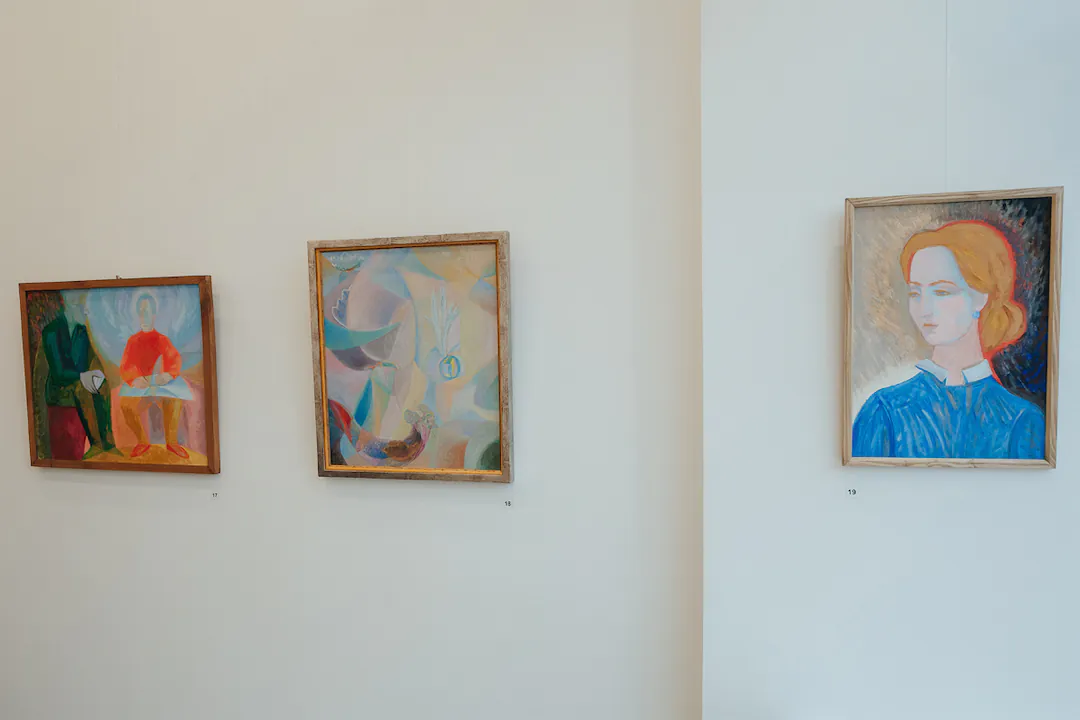
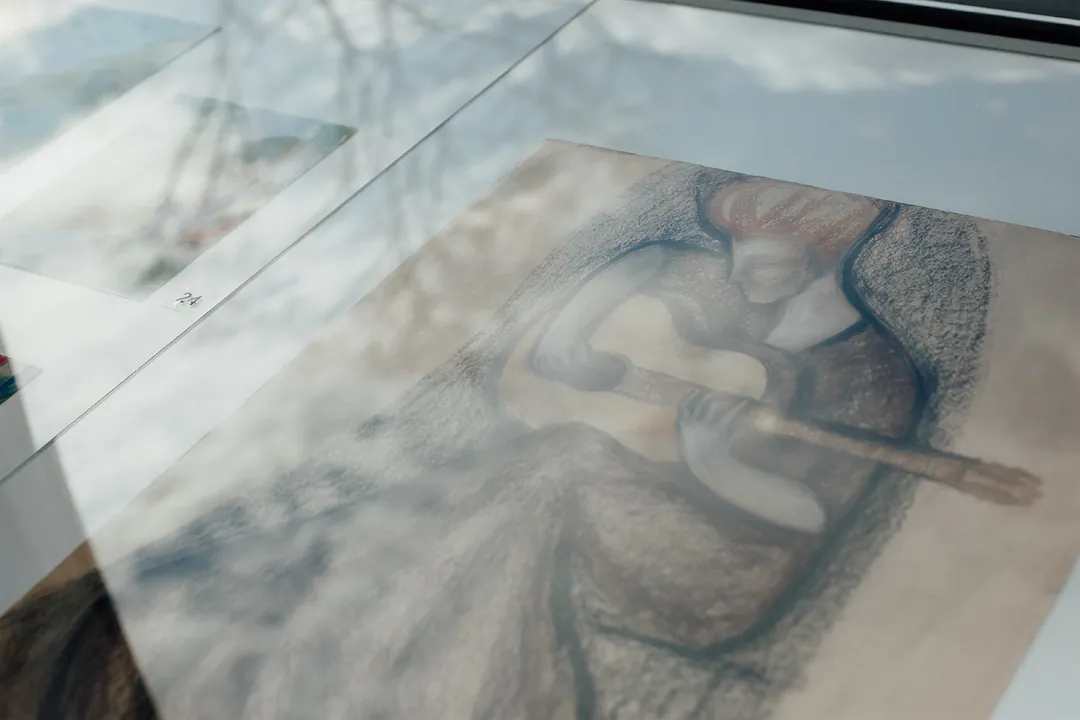
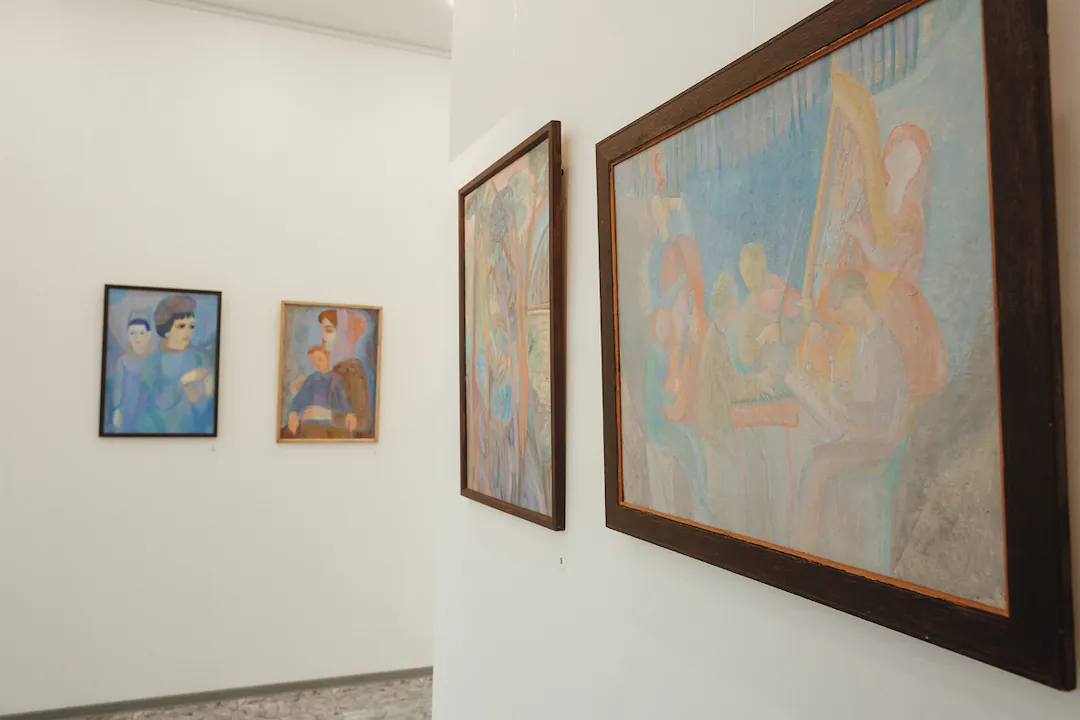
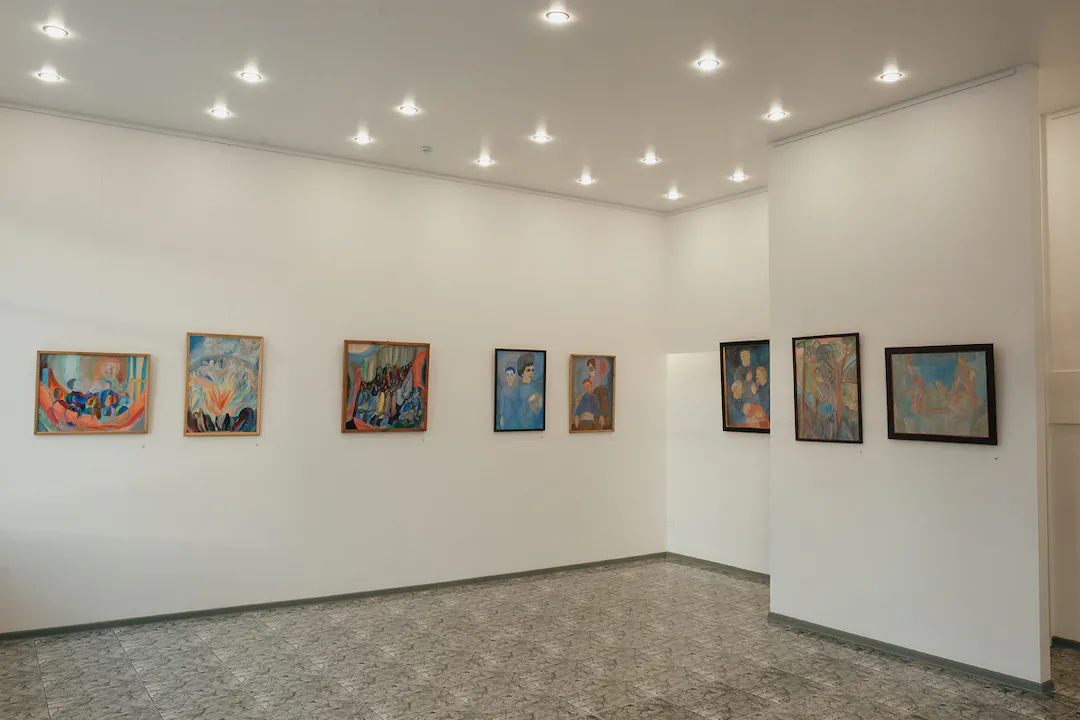
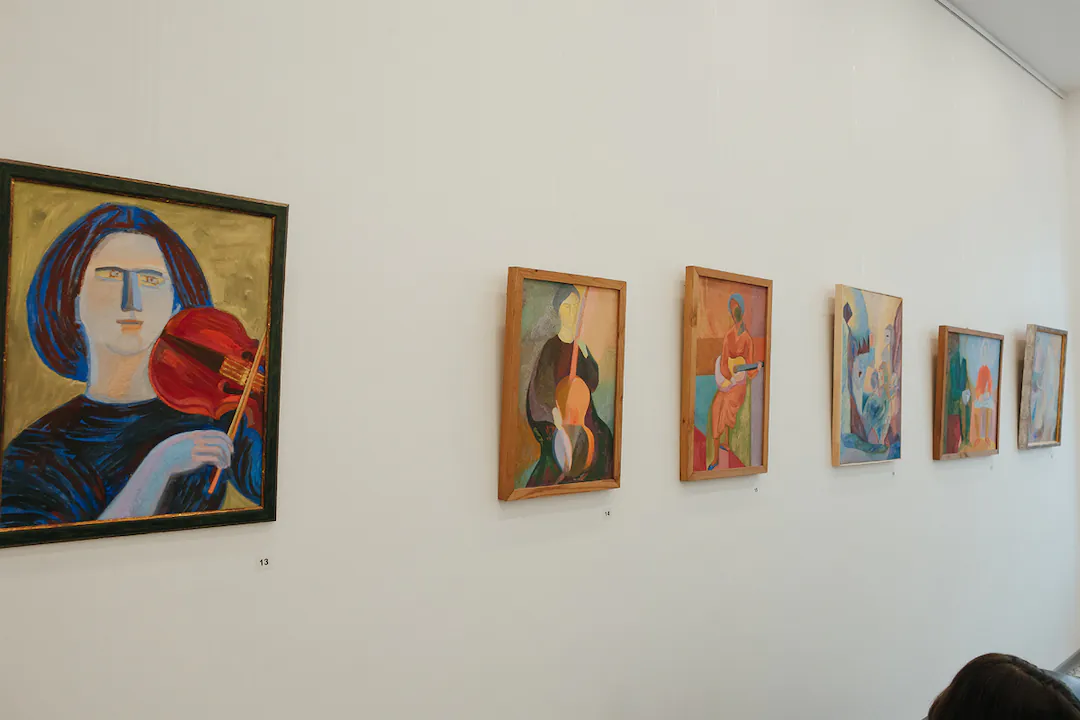
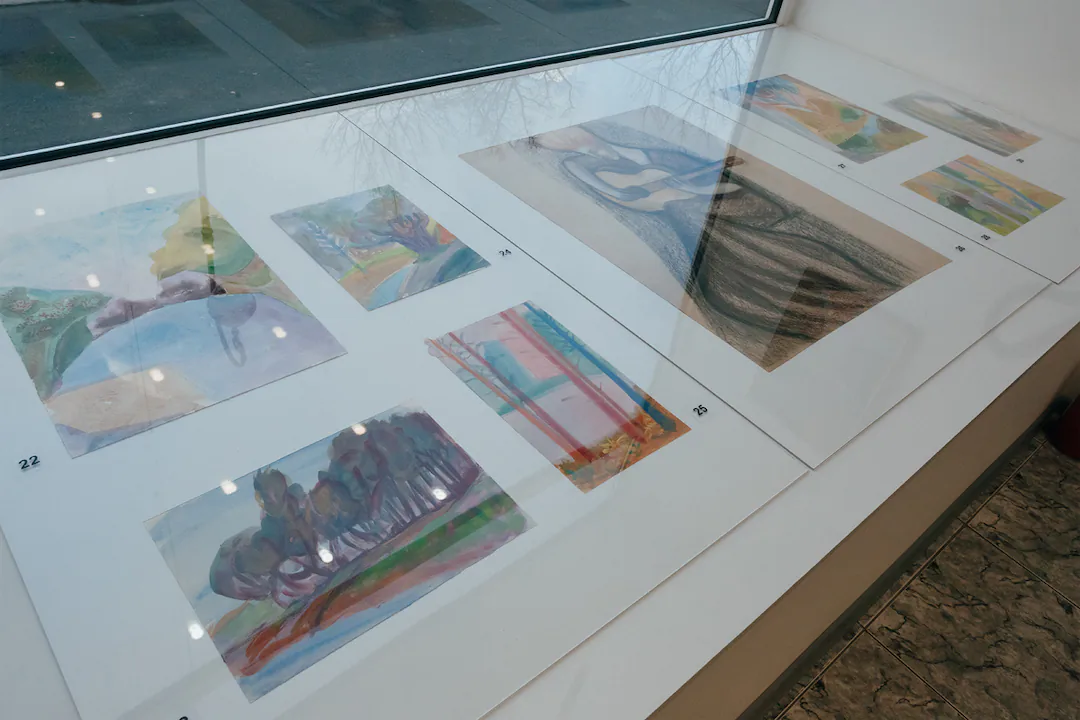
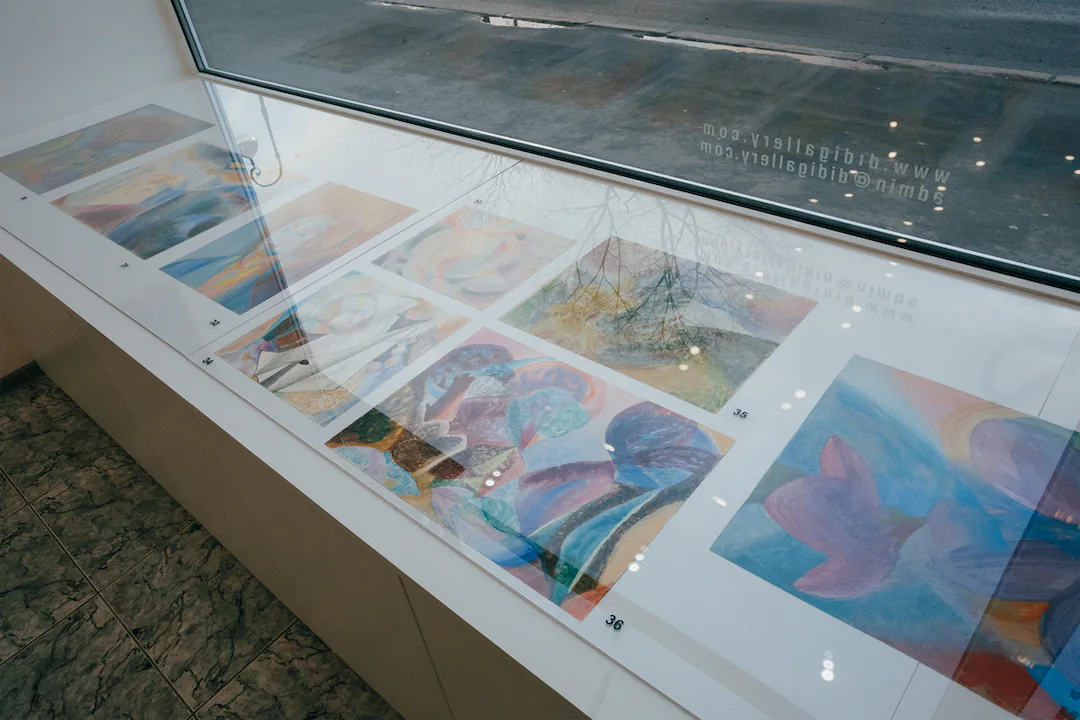
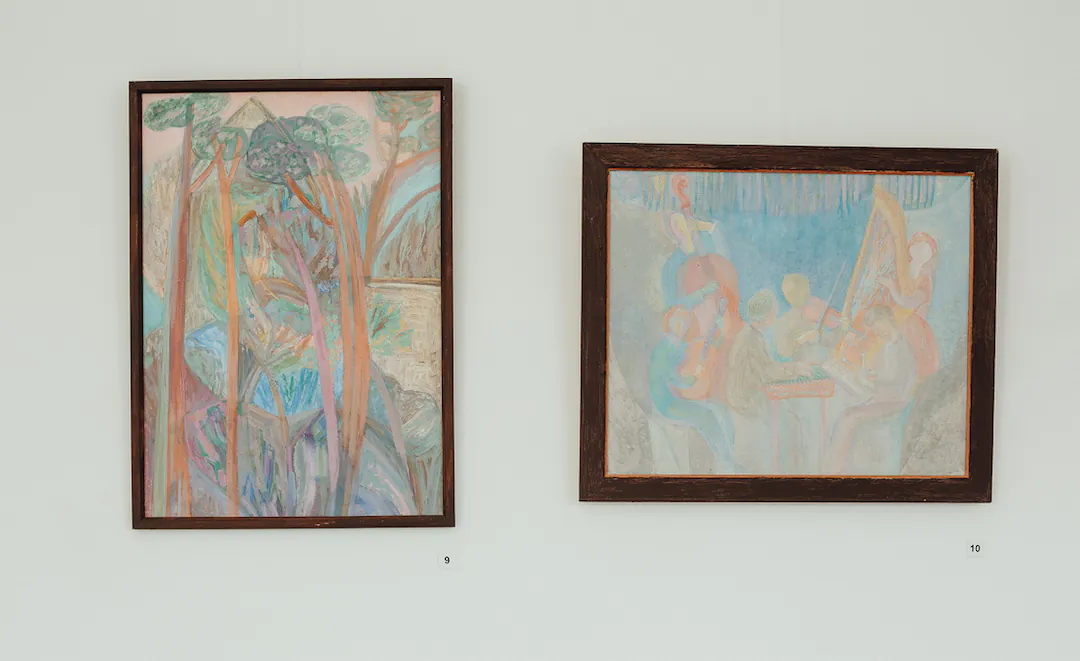
The name of Tatyana Glebova takes an important place in the history of artistic culture of Saint Petersburg. For many artists of the second part of the XX century she was a master who connected two such different epochs: the blossom of avant-garde in the first 1930's and the period of domination of Soviet ideology, divided the art into the official and underground one.
The long and full of different difficult events life influenced on the artistic way of Tatyana Glebova, lasted about 60 years. She lived through the war, Leningrad blockade and even lost her close people. But also her life was full of meetings with amazing persons, whose experience was very important in the formation of Tatyana’s worldview. According to her words there were two the most important meetings in her life: with avant-garde artist Pavel Filonov (1883–1941) and with Vasiliy Sterligov (1904–1973). The last one was a student of Kazimir Malevich and then formed his own artistic concept in the 1960's.
During 15 years (1926–1941) Tatyana Glebova was the true follower of Filonov’s art. His lessons were the base for Tatyana’s art and let her not to be afraid of contrasts, inner conflicts and searching the new ways of expression. The Filonov’s genius got her rid of using classical rules of making image and taught to be sacrificial self-giving and honest in art. “The point as the unit of action”, “the free work on the time and space”, “painting with any color and any shape” and other Filonov’s ideas became the basic for Tatyana Glebova’s art.
Already in this period her amazing feeling for color was showed up and it immediately took a strong position in her paintings. In spite of her statement about “the strong connection of shape and color in artist’s mind”, the color expression filled the whole space of a canvas. A shape just showed the direction in that the color could be the most expressive.
In 1943 there was the significant meeting with Vladimir Sterligov — her companion in art and life for 30 years. She was an eyewitness of birth of “cup-cupola” spatial system — a concept that made Sterligov one of the most famous avant-garde masters and attracted to him many followers and disciples. The “cup-cupola” spatial system was originally influenced on Tatyna Glebova’s art, especially in works on the music theme.
The artist's gift for music was showed up when Tatyana was a child. She played the violin and she known the famous musicians Maria Yudina and Isaya Braudo closely. Gradually Tatyana Glebova came to the conclusion that “the musical forms are equal to the artistic ones. They are equal, they are similar, they give birth to each other. They are two in a single being... Be musical when you draw. While playing and writing music, contemplate the development of forms in space”. The plastic and musical elements can be united in color. “For me color is visual music”, often repeated Tatyana in her autobiography “About the Color”.
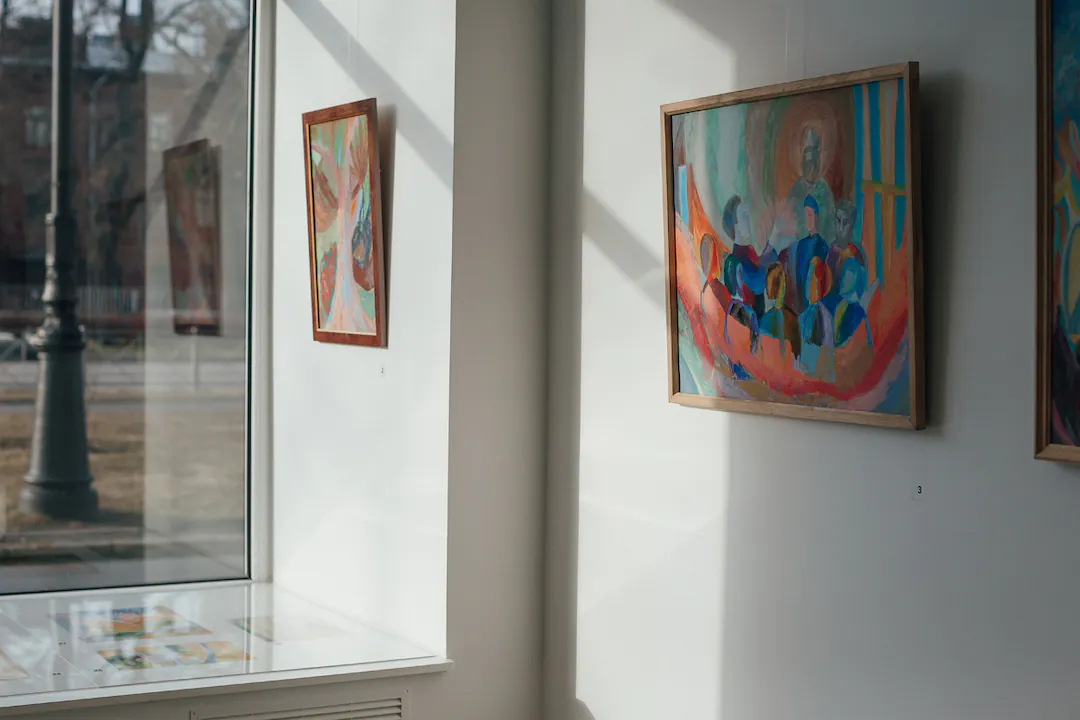
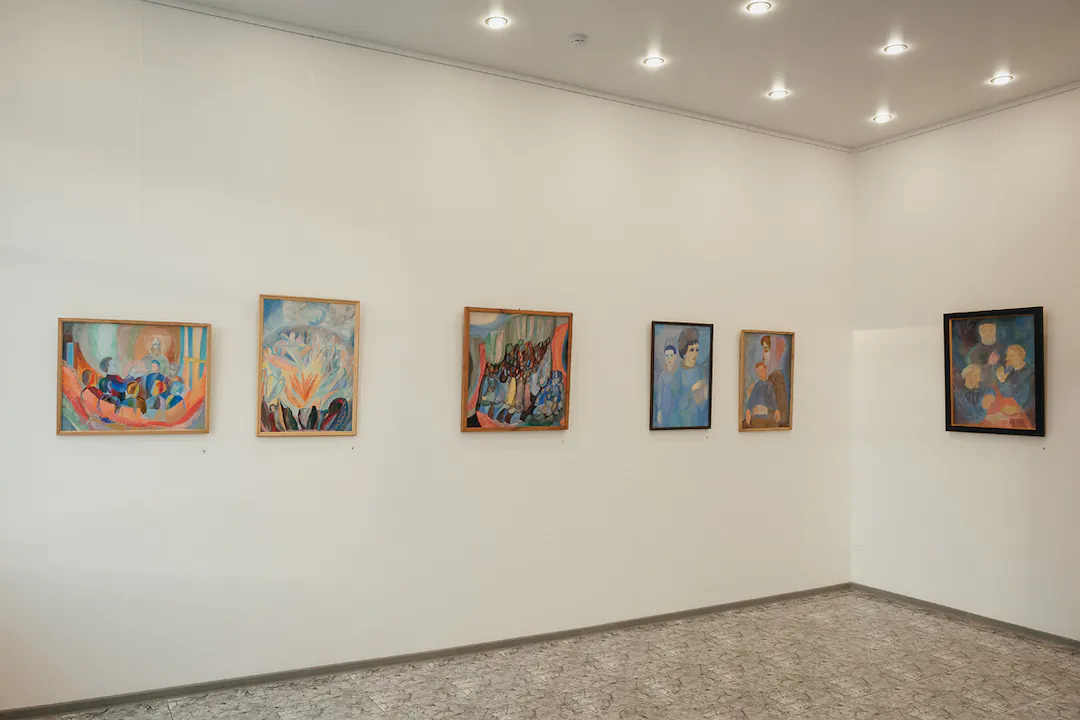
DiDi Gallery shows art works, that were made in the 1950–1970's. There are some themes that were important for Tatyana Glebova. There is a «fixation of an eternity element” in the portraits (1950’s), influence of Sterligov’s geometry in the landscapes (1960’s) and idea of visual music that makes all shapes very light and “high” (1970’s). All these themes pass a quiet and strong statement of the artist, her search for the essentials through color, music and their visual combination.
© St. Petersburg, 2005, all rights reserved