august
2019
september
2019
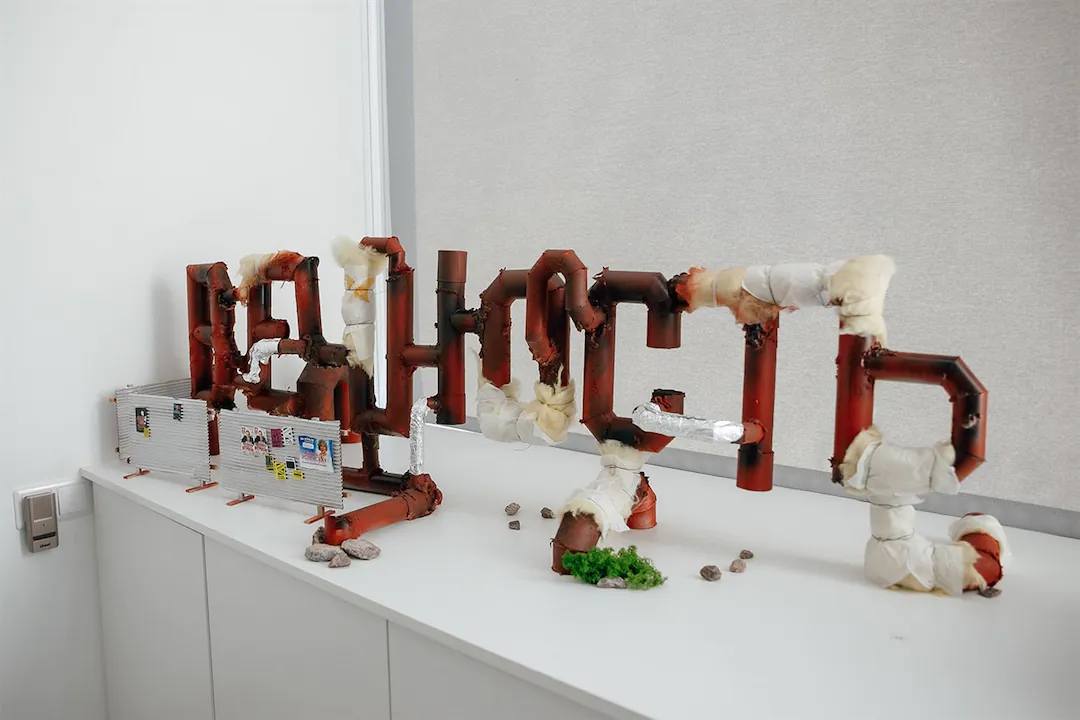
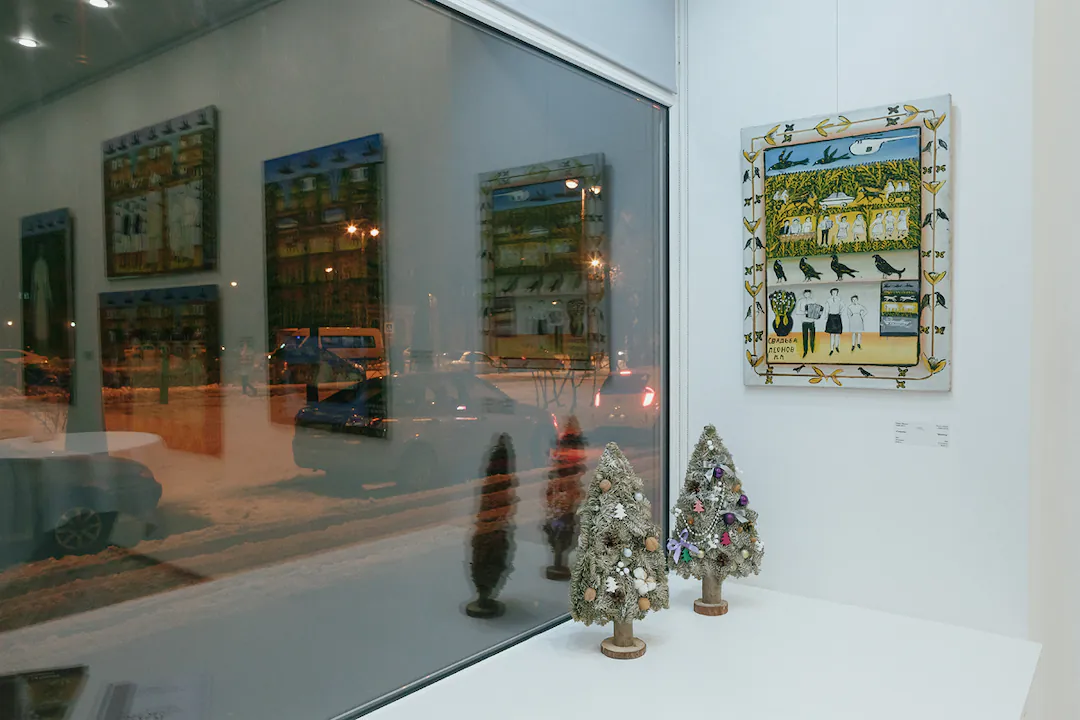
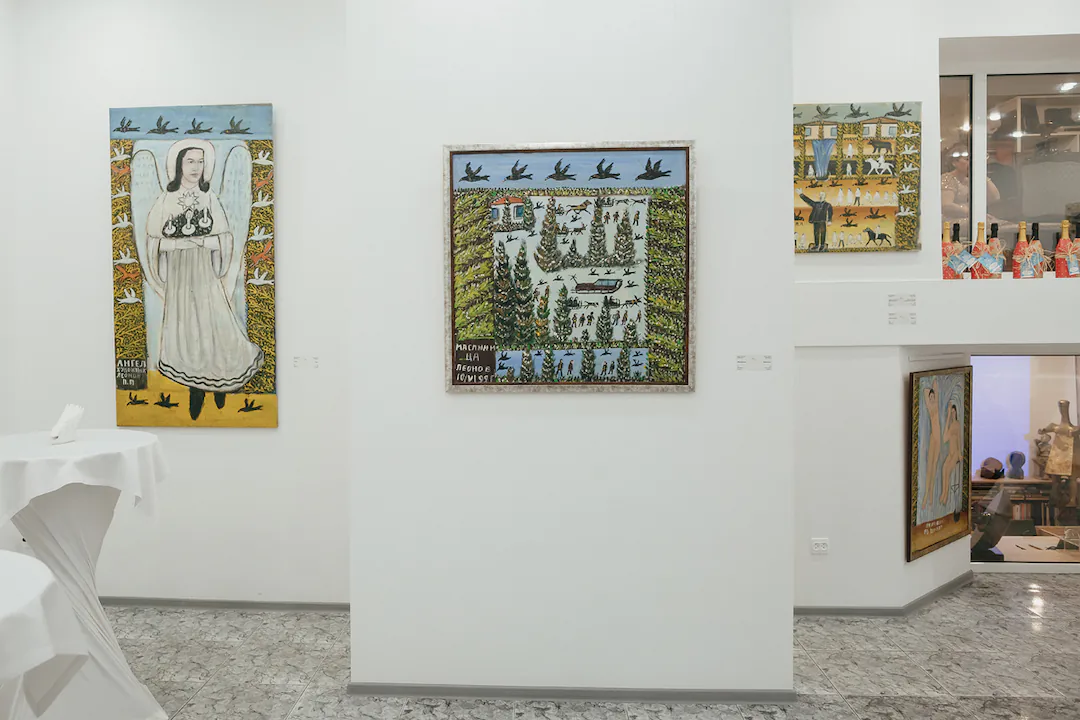
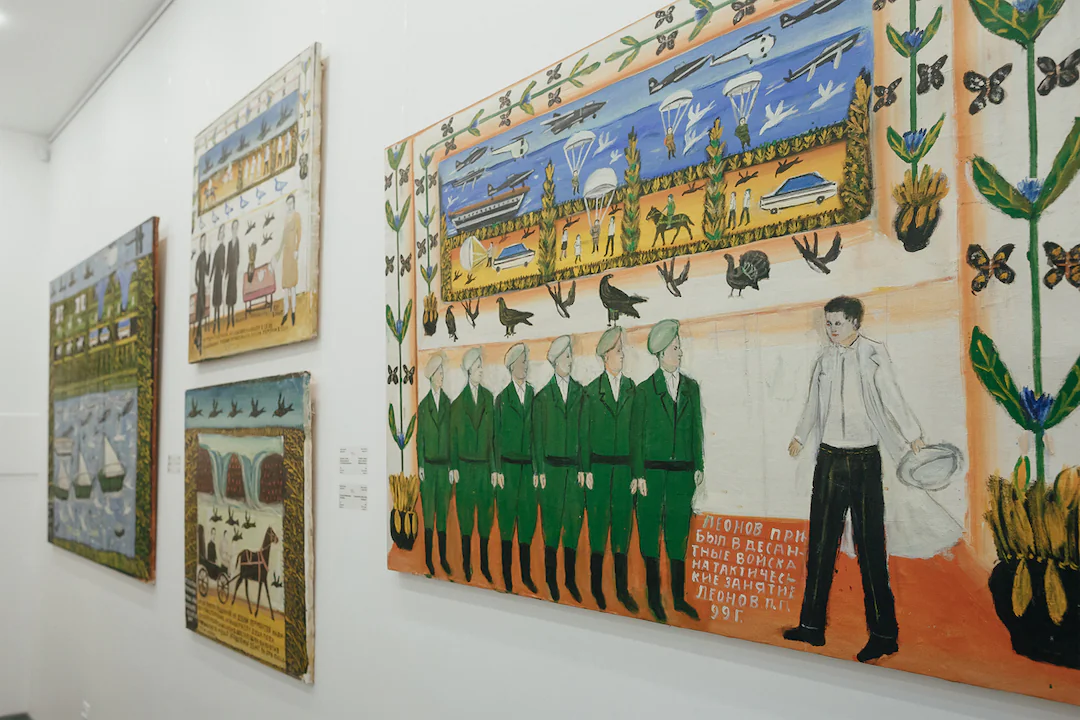
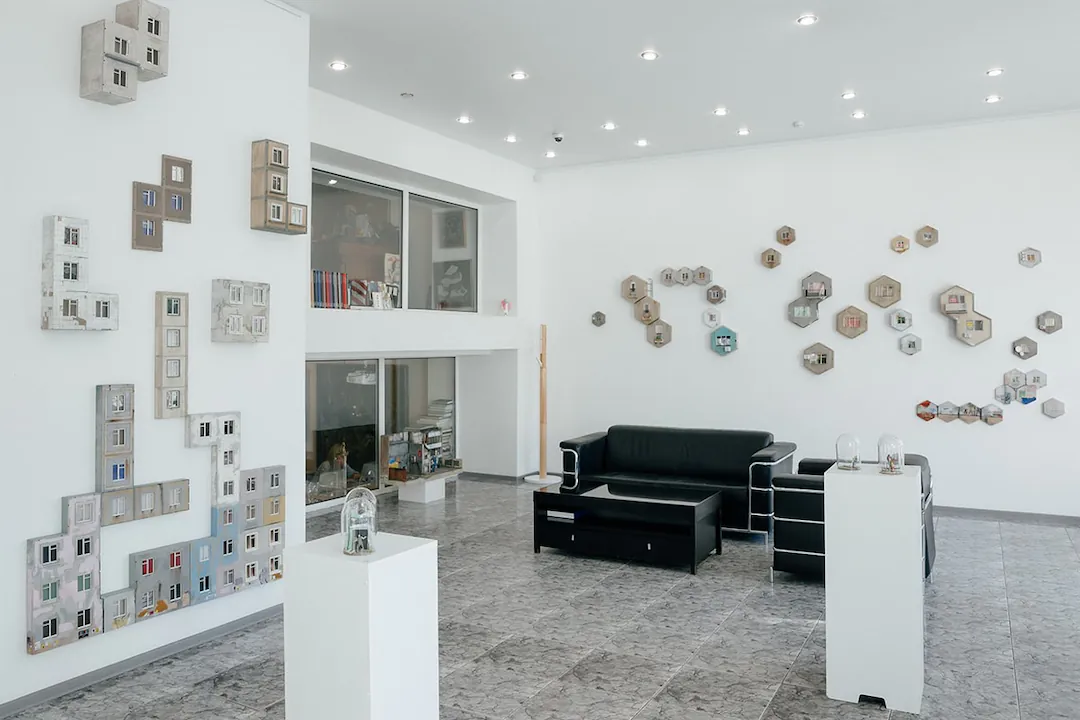
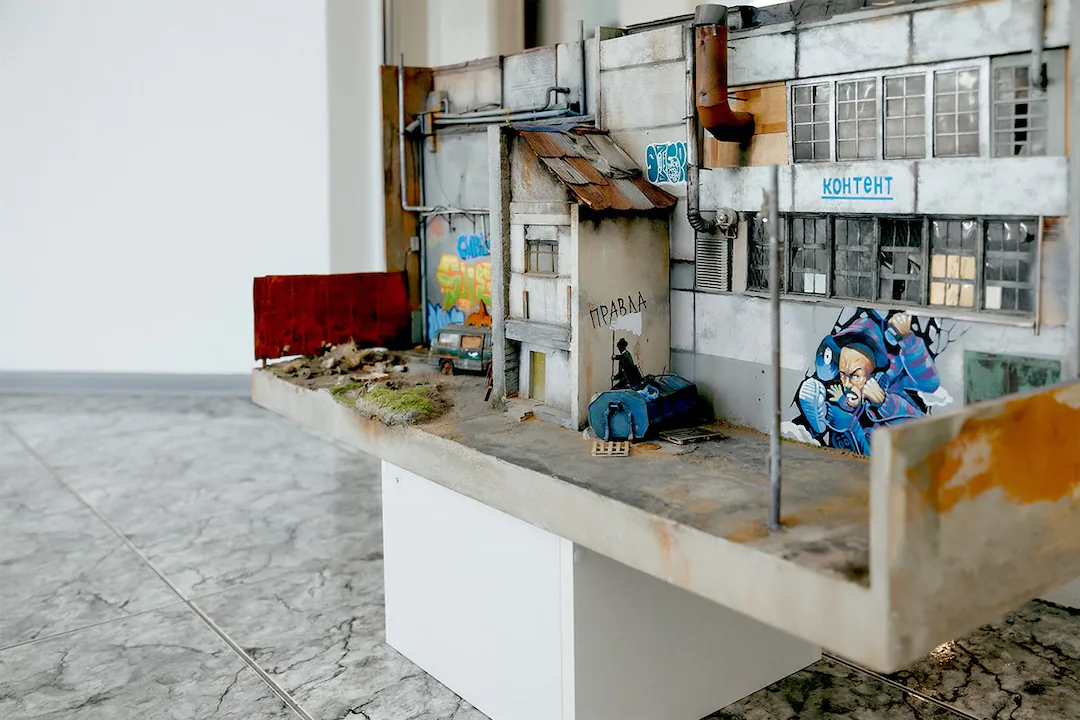
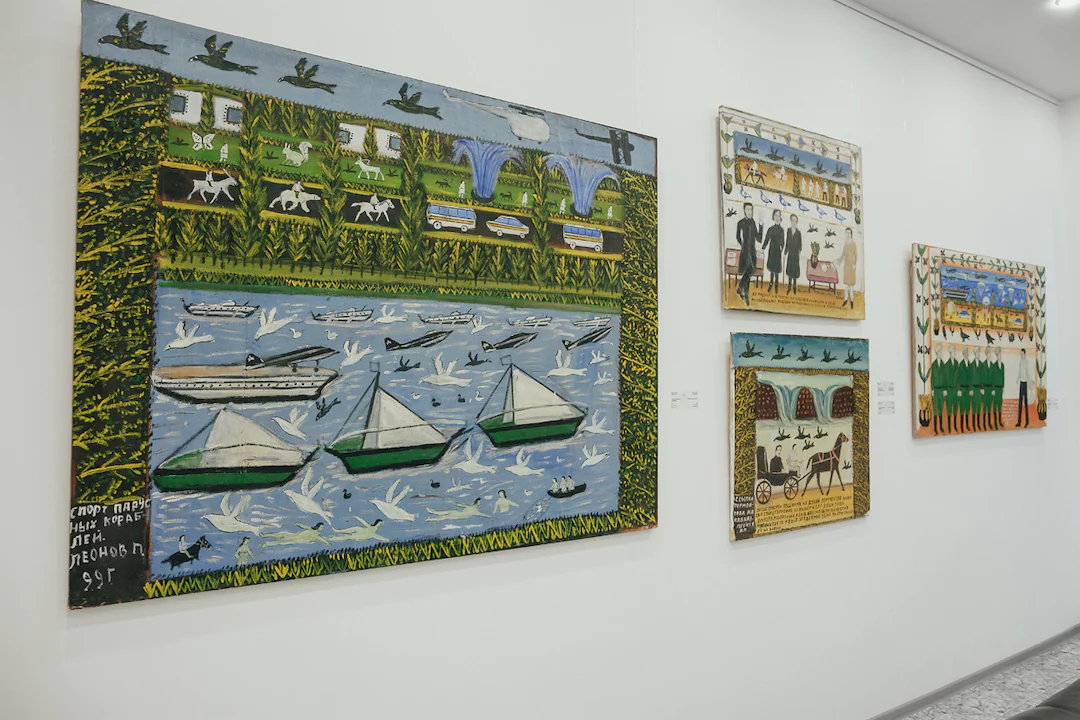
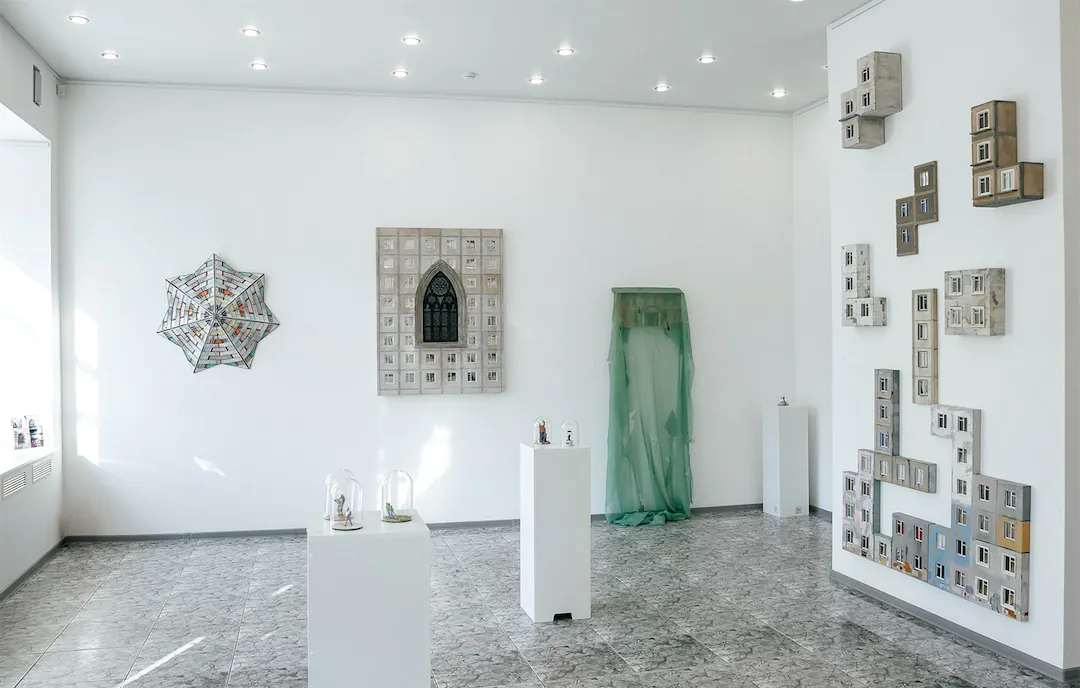
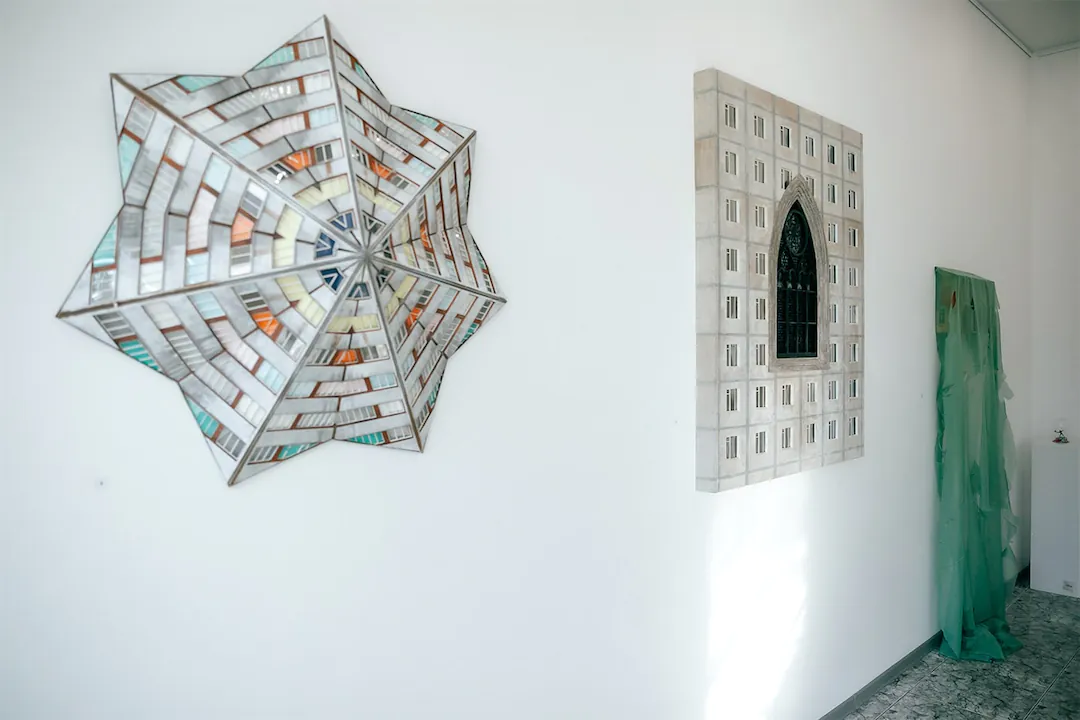
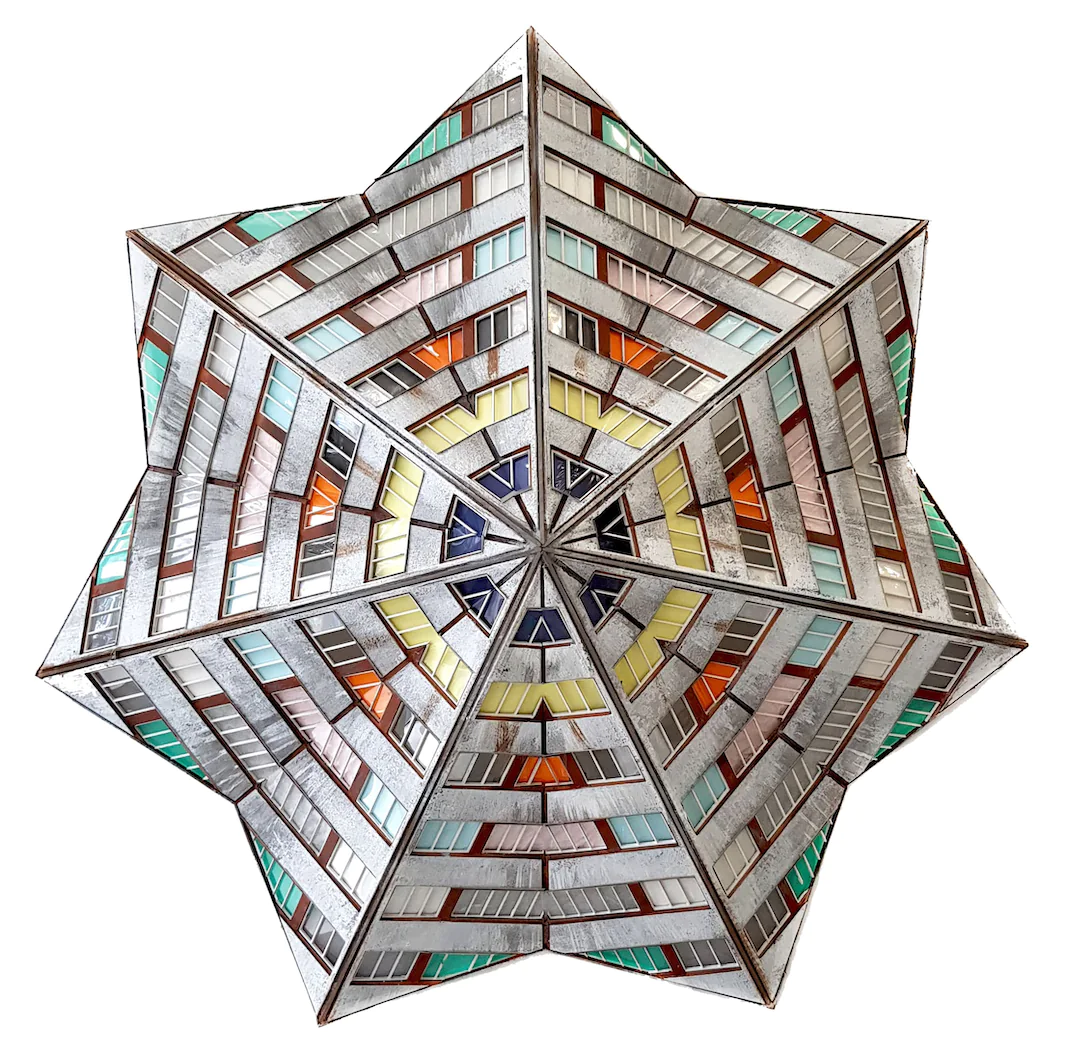
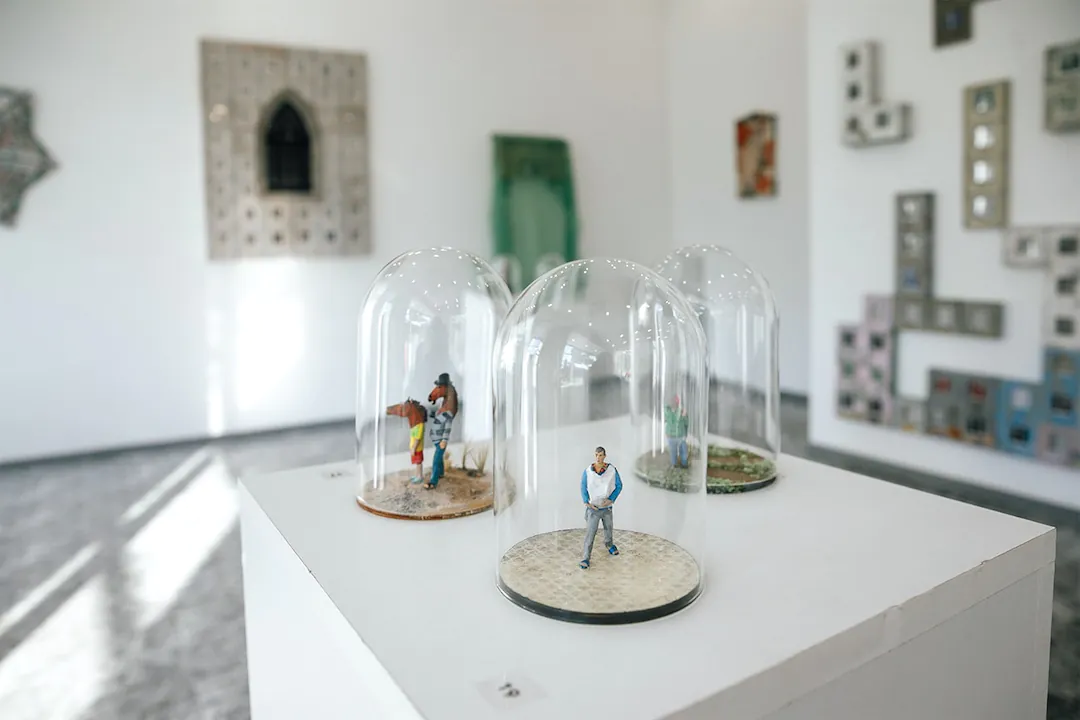
In conclusion of the summer project with young artists, the curators of DiDi Gallery present personal exhibition of Pavel Pletnev “Closed Around-the-Clock”.
His career as artist was begun in 1999 with creating graffiti in hometown. As in his graffiti, the main theme can be traced in the new project. It is a line of displaying the realities of modern Russia, especially the urban environment and street life.
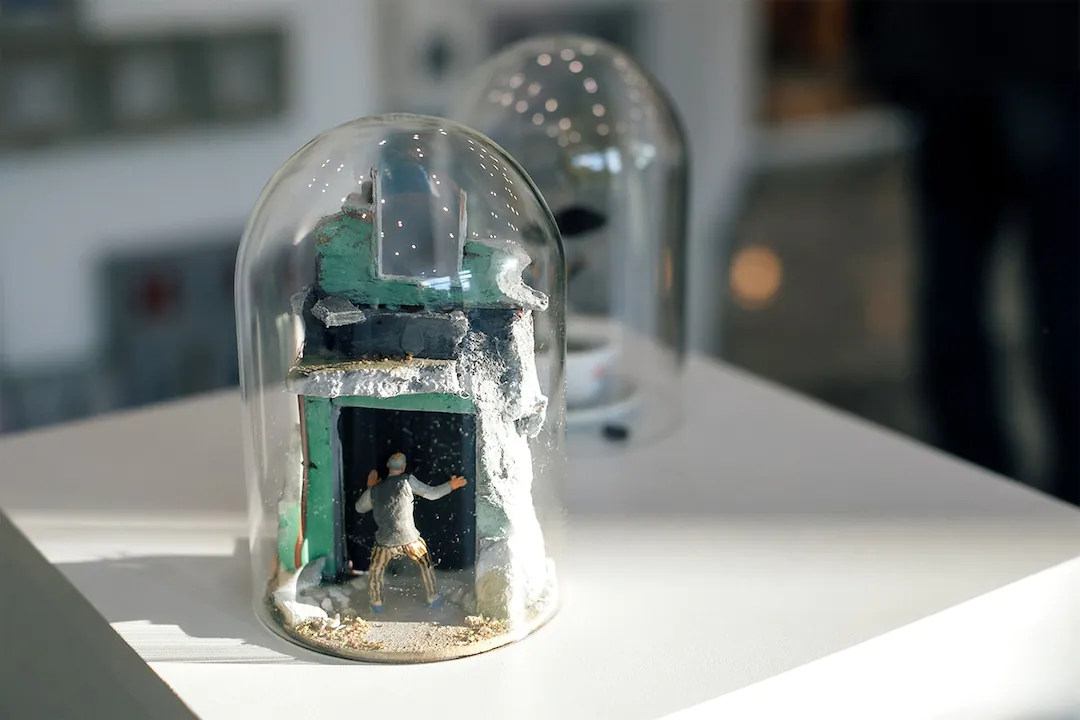
In his teenage years Pavel was interested in assembling mock-ups of military scenes, and the love of modeling was kept at a more conscious age. However, the focus of attention shifted to the themes of the everyman’s peaceful life and scenes of daily routine. Pletnev's art subjects are consonant with Russian rap topics: this is the character of a modern Russian man, his views, problems and interaction with the environment. As representatives of modern rap culture, who use satire and even absurdity in their texts, Pavel refers to similar stylistic devices.
Also, depicting the same type of panel houses and Khrushchev (mass-produced five-storey apartment blocks) in his works, Pletnev emphasises the uniqueness of each of the possible inhabitants of these houses. The viewer does not see people, but can imagine their personal stories hiding behind the monotonous facades. The modern world is a large hive of high-rise buildings. Despite the predominance of equal buildings and life of the same type, the process of “atomization” takes place there. The "Hive" breaks up into isolated cells. It is no coincidence that the artist creates mock-ups of houses in the shape of a honeycomb — people live in separate worlds with their own unique set of problems, desires and fears. The problem of people’s disunity with each other and loneliness in a big city is a cross-cutting theme for the artist.
Pavel Pletnev: “I pass through myself what I see around. This is something like ‘‘maquette of nothing’’ — the desire to fix something that no one cares about. On the one hand, “panels” are everywhere and in every city. On the other hand, they are so neutral that nobody notices them ...”
© St. Petersburg, 2005, all rights reserved