october
2016
december
2016
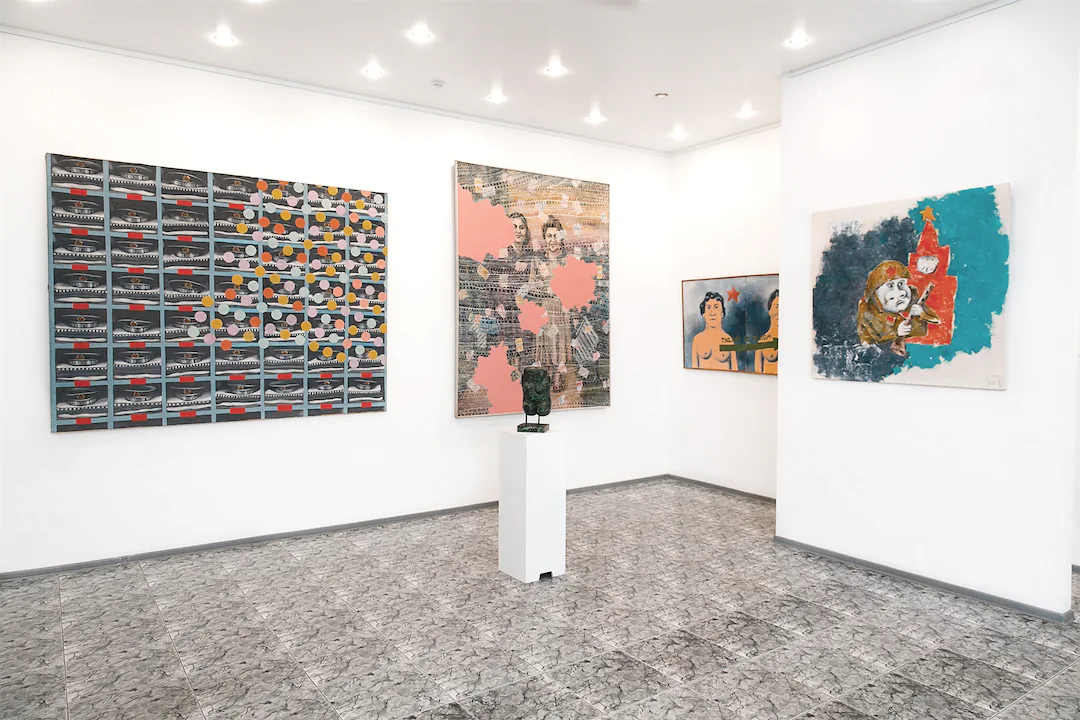
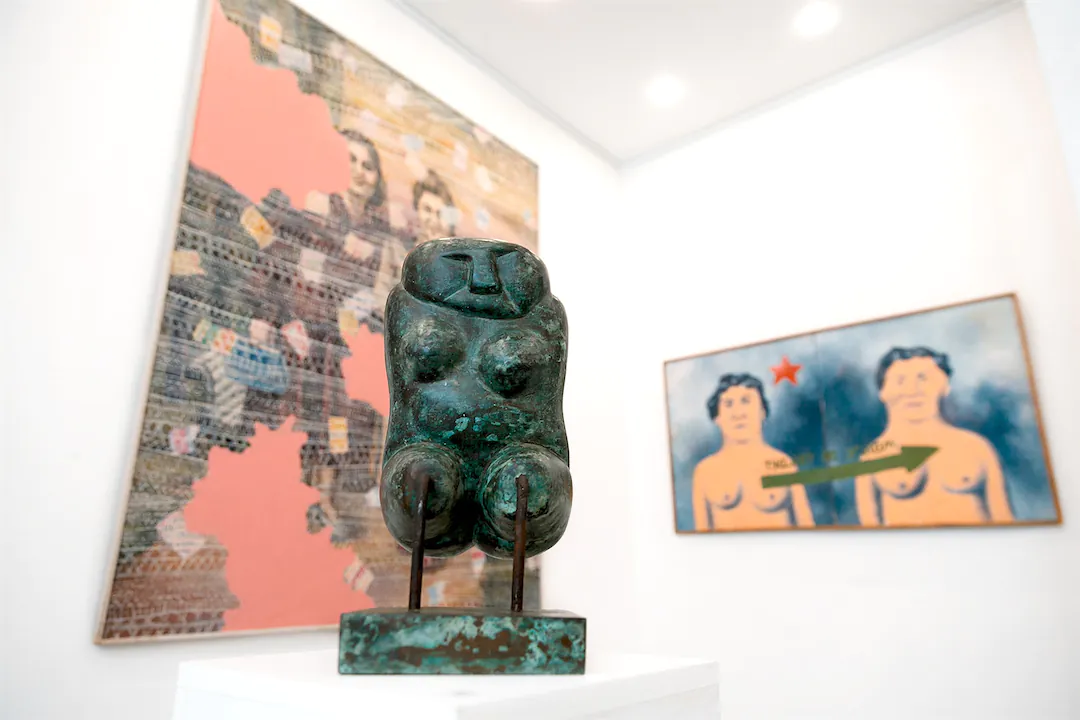
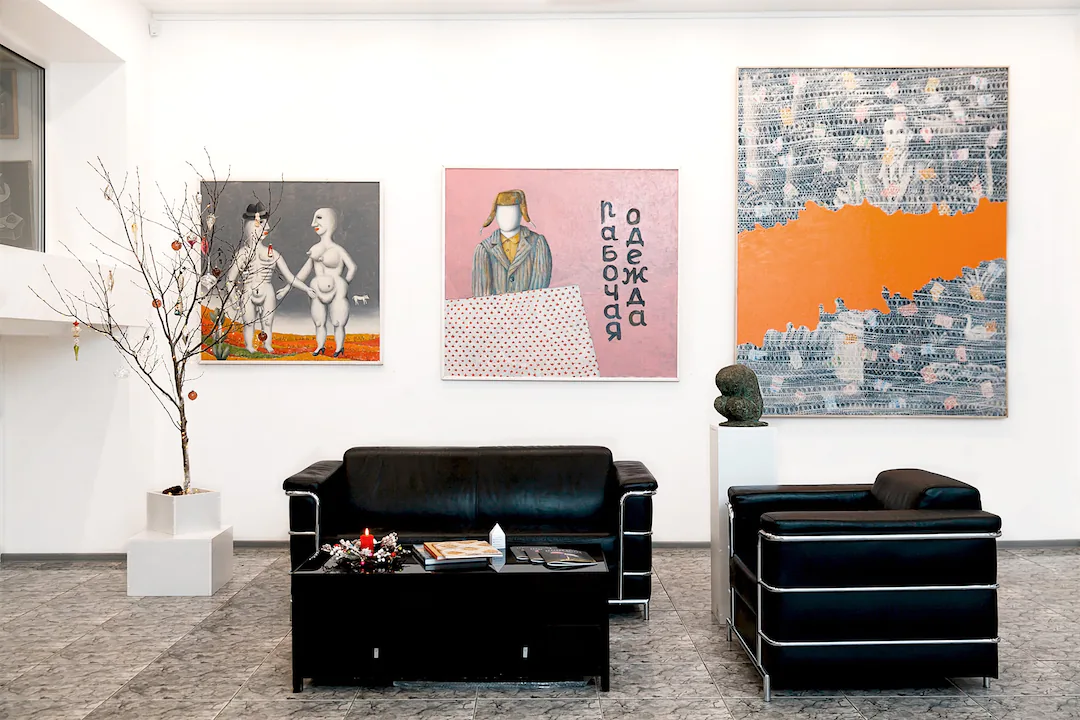
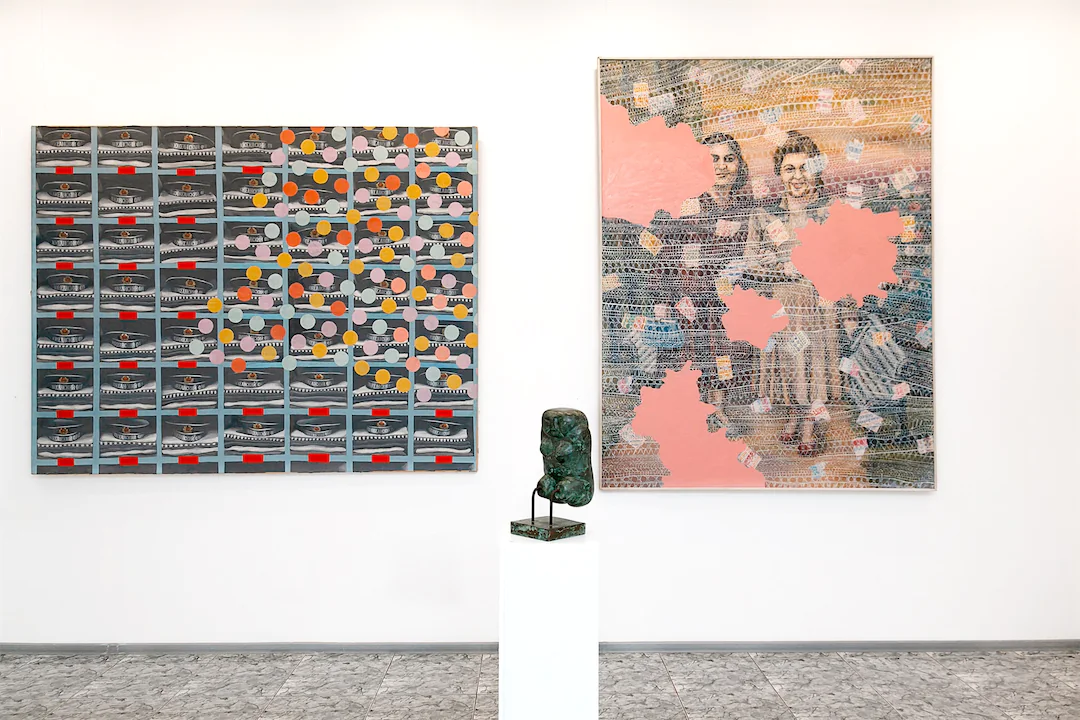
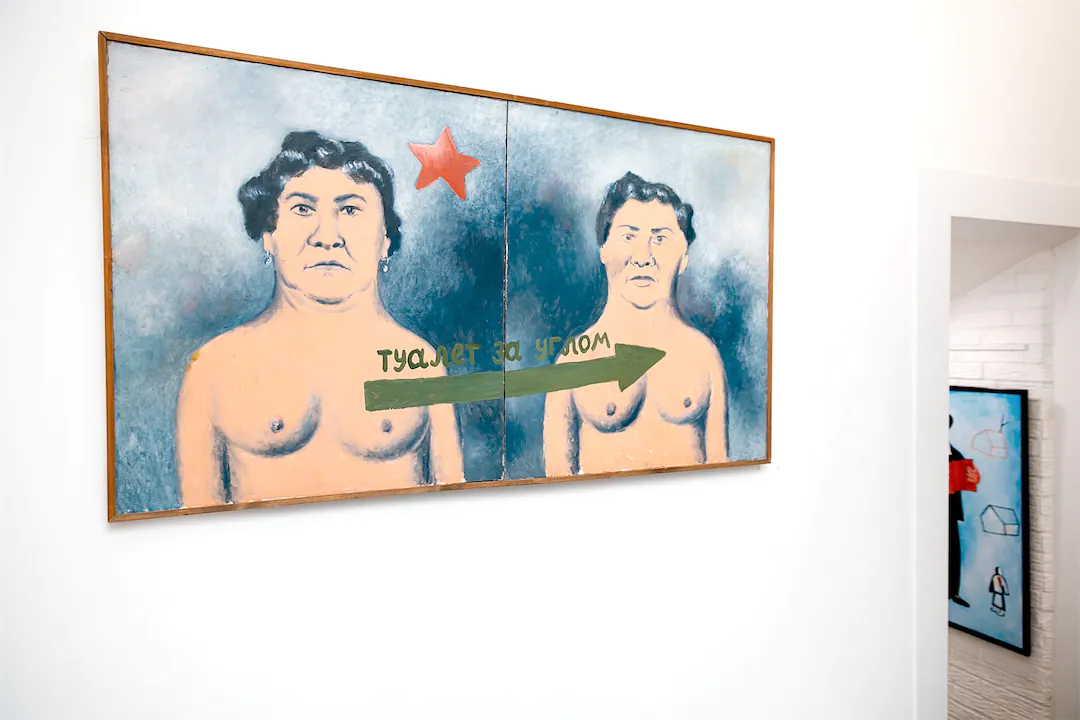
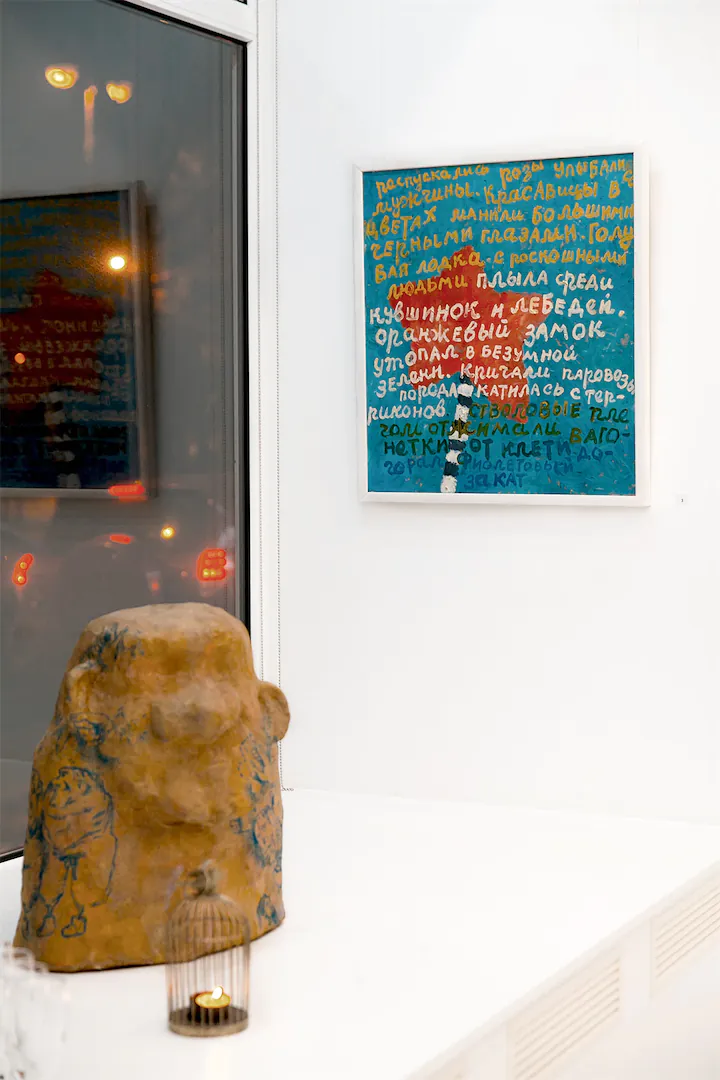
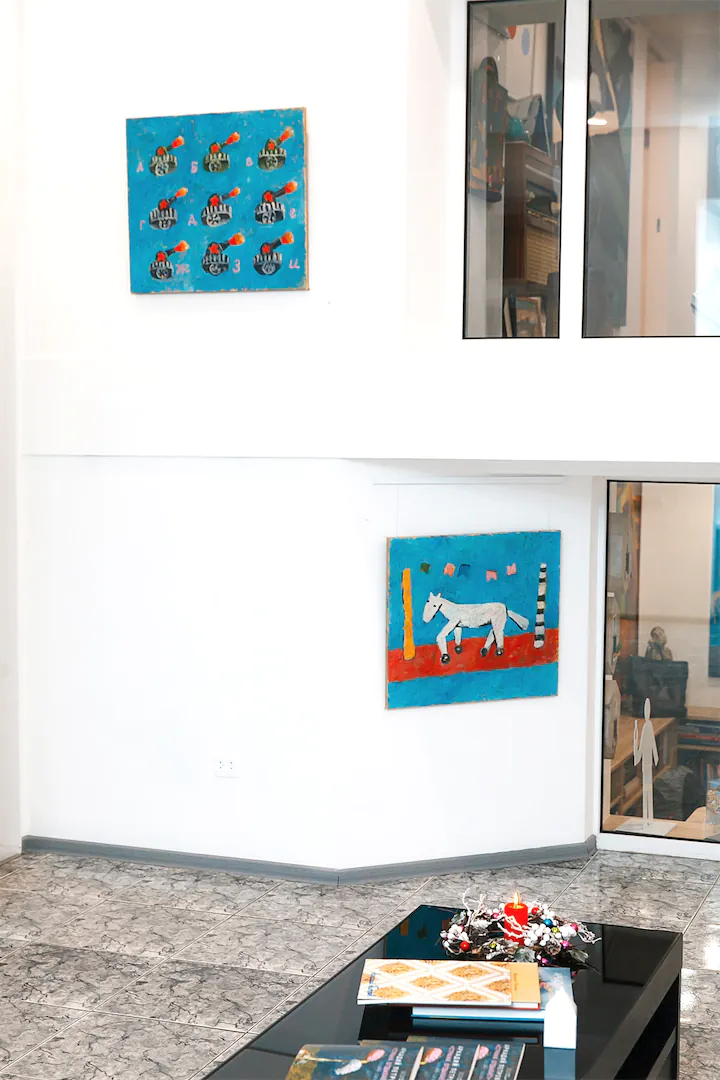
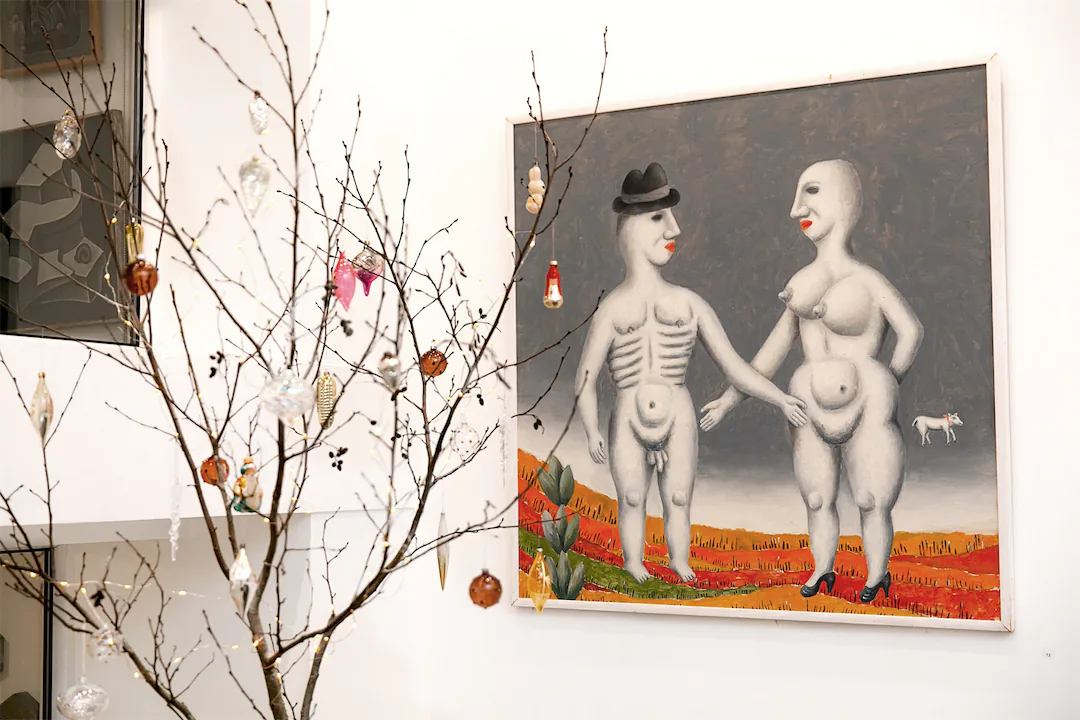
45 years of Arkady Petrov's art path was really various and open for searching of new forms. Artist’s works are in leading museum collections. However Petrov doesn’t cultivate the only style that made him famous. Each decade illustrates a new and often surprising searching for new stule and this is a response to attempt to find the better way to express the most important for the artist ideas. The DiDi Gallery exhibition concentrates on only one but the most characteristic periods of the artist’s way and shows art works of the late 1970’s and 1980’s.
Arkady Petrov has a professional art education (the Moscow Regional Art School “In Memory of 1905" and the Moscow State Art Institute called after Surikov). After the graduation he became a member of Moscow Union of Artists and created monumental art works, ordered by government for some public buildings. At the same time he was interested in local culture of Russian provinces; it seems that he wanted to forget the professional skills and paint in naive manner of autodidacts. Most of art historians say that the artist’s childhood has influenced on his art that is connected with aesthetics of Soviet mass culture. During the decades the artist was collecting and inspired by different “treasures”: cards, candy wrappers, homemade posters, photos painted with aniline — all which served as decoration for hard postwar life.
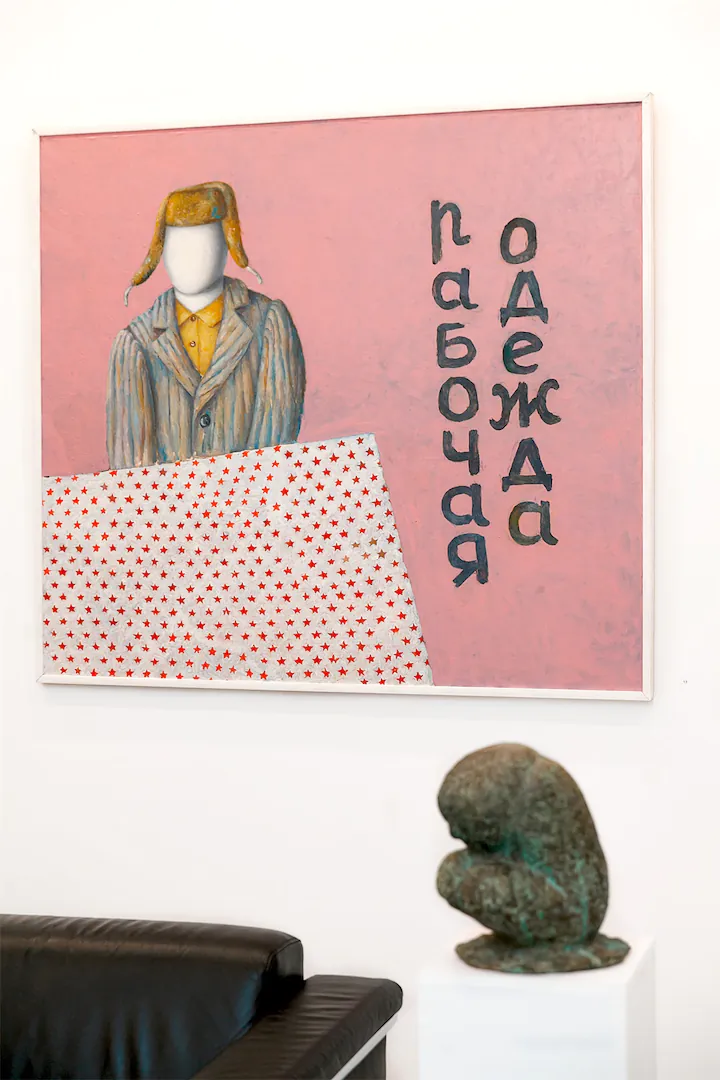
In the late 1970’s–1980’s Arkady Petrov’s style became more refined and exactly this “transformed primitive” of 1980’s let the artist show ordinary Soviet man’s living. Despite of the fact that subjects of performances and spectacles common for 1970’s disappeared in 1980’s (“Spectacle № 4”, 1978, “Circus”, 1979), the idea of “theatre” and “game” was kept and existed practically in all art works of 1980’s. Paintings’ compositions look like mise-en-scenes with the characters, wearing their best costumes and showing us beautiful life. They allow the artist to paint them in the best moment of their stingy on joy biography: on the promenade in the park or on vacation in Sochi (south of Russia). Columns decorated by synthetic flowers, vases with hibiscus, balloons, pigeons and kittens — all that has a shame of fake and creates some kind of magic effect, because transfers us to the world of dream. Everything in this perfect, ideal world is frighteningly isolated and lonely: the sun is just a round yellow disk in the painted blue sky, the same trees has absolutely symmetrical branches, white and red flowers evenly alternated on the bushes and even lovers hold their hands but don’t see each other. They exist in the painting like two parallel worlds sealed frozen in their shells.
Perhaps, the interpretation of Arkady Petrov’s painting only as reference to Soviet past is really inadequate. Sure, artist finds and shows the typical collective image of Soviet person but that impersonality, alienation and emptiness, covered with a bright luster, game and beautiful posture, characterizes today's society and a human. Exactly because of that “Soviet pictures” of Arkady Petrov are topical today not less than 30 years ago, when they were created.
© St. Petersburg, 2005, all rights reserved